Join our local chapter of Walk with a Doc tomorrow for a fun morning walking, talking about health, and meeting people in our community.
Here is what you need to know about the event:
• It will take place on October 8, 2022
• The hour-long event will begin at 8:30am
• Walkers will start at LVTRise – 8201 Calmont Ave., Fort Worth, TX 76116 For more information, call Kate Russell, OMS-III, at 903-316-9392, or email her at KatherineRussell@my.unthsc.edu.
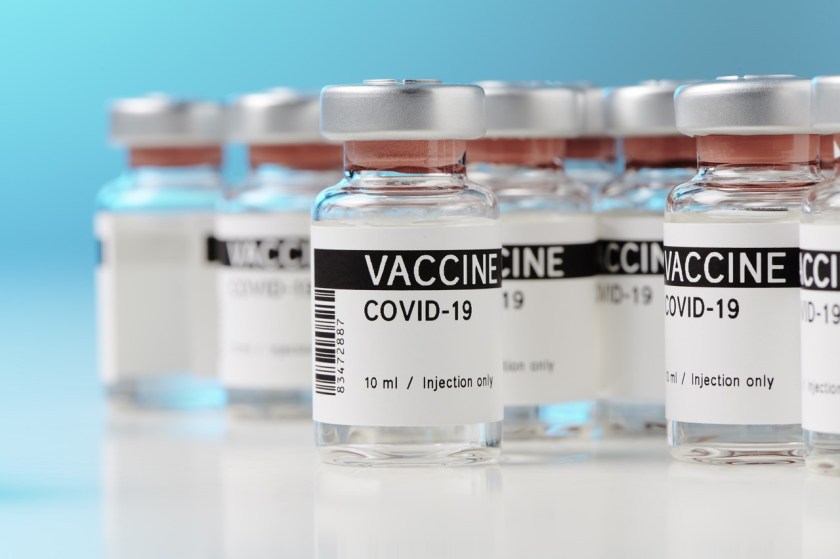
Tarrant County Public Health hosts numerous pop-up COVID-19 clinics across Tarrant County each week in partnership with public and private organizations listed below. Each site has the Moderna and Pfizer vaccines, and some will also have the Johnson & Johnson. Children five and older are eligible for the vaccination. Parents need to bring proof of the child’s age and their own ID for the vaccination. Booster vaccinations are available at all of the vaccination locations.
TCPH would like to bring a COVID-19 vaccination clinic to businesses, churches and organizations in the community who are interested in hosting a pop-up clinic. It’s easy and free to host a clinic.
In addition to the vaccination opportunities below, the cities of Arlington, Fort Worth, Mansfield, North Richland Hills, Hurst, and Tarrant County College have also added opportunities for vaccinations. To find a local vaccine site, the County created a vaccine finder page: VaxUpTC website.
Pop-Up COVID-19 locations:
Grand Lodge Saturday, Sep. 24: 10 a.m. to 2 p.m. 3433 Martin Luther King Jr Freeway Fort Worth, TX 76119
Foundation Communities Tuesday, Sep. 27: 12 p.m. to 4 p.m. 2020 South Cooper St. Arlington, TX 76013
Tandy Village Assisted Living Wednesday, Sep. 28: 11 a.m. to 1 p.m. 2601 Tandy Ave. Fort Worth, TX 76103
Aging Well Expo Thursday, Sep. 29: 9 a.m. to 2 p.m. 1200 Ballpark Way Arlington, TX 76011
Tarrant County Public Health CIinics:
Northwest Public Health Center Monday to Friday: 8 a.m. to 12 p.m. and 1 to 5 p.m. 3800 Adam Grubb Road Lake Worth, TX 76135
Bagsby-Williams Health Center Monday to Friday: 8 a.m. to 12 p.m. and 1 to 5 p.m. 3212 Miller Ave. Fort Worth, TX 76119
Southeast Public Health Center Monday to Friday: 9 a.m. to 12 p.m. and 1 to 6 p.m. 536 W Randol Mill Arlington TX, 76011
Main Public Health Center Monday to Friday: 8 a.m. to 12 p.m. and 1 to 6 p.m. 1101 S. Main Street Fort Worth, TX 76104
Southwest Public Health Center Monday to Friday: 8 a.m. to 12 p.m. and 1 to 5 p.m. 6551 Granbury Road Fort Worth, TX 76133
Watauga Public Health Center Monday to Friday: 8 a.m. to 12 p.m. and 1 to 5 p.m. 6601 Watauga Road Watauga, TX 76148
For more information go to coronavirus.tarrantcounty.com or call the Tarrant County Public Health information line, 817-248-6299, Monday – Friday 8 a.m. to 6 p.m.
The 5th Annual Ralph J. Anderson, MD Women’s Health Symposium will showcase the advances made in women’s health care in both Tarrant and Dallas Counties. It was created to honor Dr. Anderson, who dedicated a large portion of his career to the education of health care professionals in the field of obstetrics and gynecology. For more than 20 years Dr. Anderson developed, moderated, and oversaw a yearly large educational symposium to ensure that practicing health care professionals continued their education to improve patient care and patient outcomes.
Upon completion of this activity, learners will be able to:
Define two strategies to improve health outcomes of women in DFW metroplex;
Diagnose and define uncomplicated vaginitides using evidence-based methodology;
Define maternal morbidity and mortality related to Placenta Accreta Spectrum Disorder;
Describe the current burden of substance use disorders (SUD) women experience in the US; and
Identify key points of progress in our understanding of human trafficking and healthcare responses for readying its workforce.
Topics Covered
At the Women’s Health Symposium you will learn from distinguished leaders in the field of women’s health on such topics as:
Placenta Accreta
Advances in New Born Care & Breastfeeding
Palliative Medicine
Overactive Bladder
Fetal Surgery Innovations
Adolescent Health
Trafficking and Opioid Abuse
Price for Virtual Attendees
Registration fee: $120
Who Should Attend
Physicians, physician assistants, nurse practitioners, certified nurse midwives, nurses and social workers caring for women will all find something of practical value at the 2022 Women’s Health Symposium.
This article was originally published in the July/August 2022 issue of the Tarrant County Physician. You can read find the full magazine here.
Texas is suffering a healthcare crisis from a lackof practicing physicians. This fact is even graver in rural communities, where the nearest hospital might be a couple of hours away. It is time that we take medical care closer to these vulnerable patients, and that is where mobile healthcare clinics can offer an efficient solution.
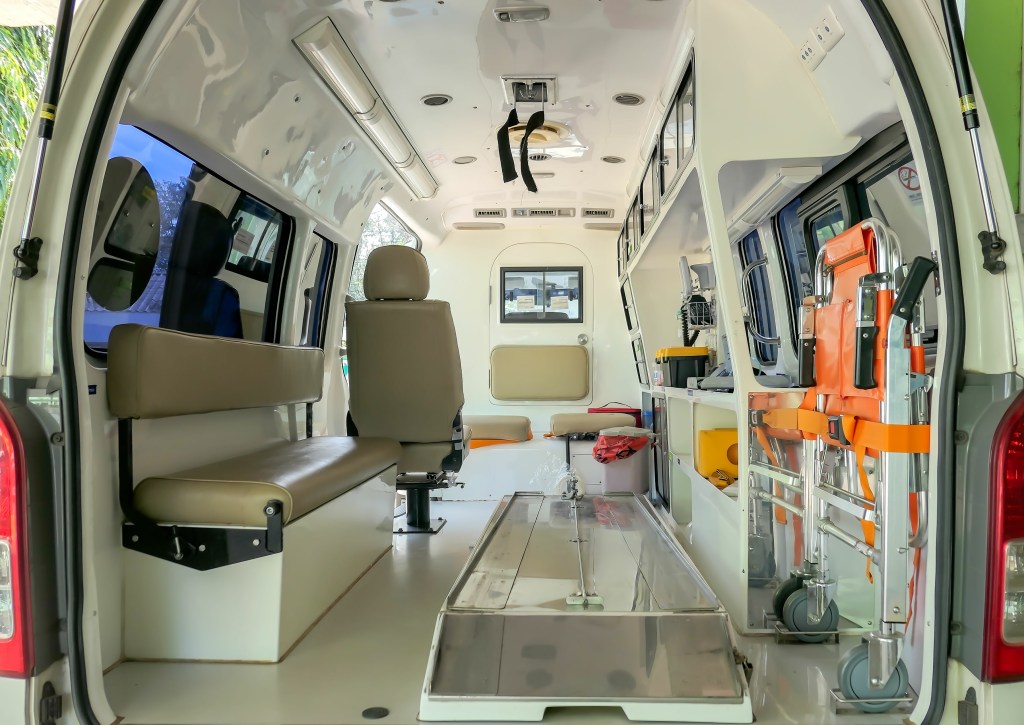
As a first-year medical student at the Texas College of Osteopathic medicine, I was fortunate enough to serve with the Pediatric Mobile Clinic at the Health Science Center. To picture this mobile clinic, you must imagine a bus or RV that has been transformed into a fully functional pediatric clinic. It might seem like there would not be much space in the mobile unit, but it is fully equipped to perform many medical services. The unit carries out vaccination drives, full screen wellness check-ups, sports physicals, and much more. It is a small glimpse into the future of medicine.
Looking back at my very first day serving as a student doctor, I did not know the extent of what the pediatric mobile clinic could do. My first patient came in and presented with learning difficulties, café au lait spots, and some vision problems. It was an enormous surprise to find myself examining a possible case of neurofibromatosis, a rare disease that we had covered just a few days prior. I left that day thinking about how this child would not have been able to receive care or be referred to a specialist if the Pediatric Mobile Clinic had not shown up at his school. I felt grateful and fortunate to have been there to serve the children of our Fort Worth community.
It was not until I had a chance to serve in this mobile unit that I realized that this concept was a great solution for Texas’ rural communities. Mobile clinics bring medical services to areas that are hours away from major cities with large medical centers. These clinics are easily adaptable and can be transformed to house many different kinds of practices. They operate much like a regular clinic; patients can look up when the mobile clinic will be near them and then schedule appointments online. Primary care practices can take full advantage of transforming and adapting the mobile units to serve a specific patient population.
For example, mobile clinics can directly help many underserved communities by being closer to patients, which saves time and transportation costs that can often be barriers to seeking treatment. Mobile health clinics do require an initial capital expense for institutions and hospitals. However, they bring in enough revenue to cover their own costs, they draw patients into the sphere of the base clinic or the hospital, and they help keep our community healthier.
I did not expect to feel so strongly about the concept of mobile healthcare clinics when I first set foot onto that crowded bus, but it is impossible not to recognize how efficient it is to have mobile clinics at our major schools and hospital institutions, as well as in rural communities. These mobile clinics should be part of our vision for the future of healthcare. It is time to advocate for more mobile clinics on our Fort Worth roads!
By Catherine Colquitt, MD, Tarrant County Public Health Medical Director
This article was originally published in the July/August 2022 issue of the Tarrant County Physician. You can read find the full magazine here.
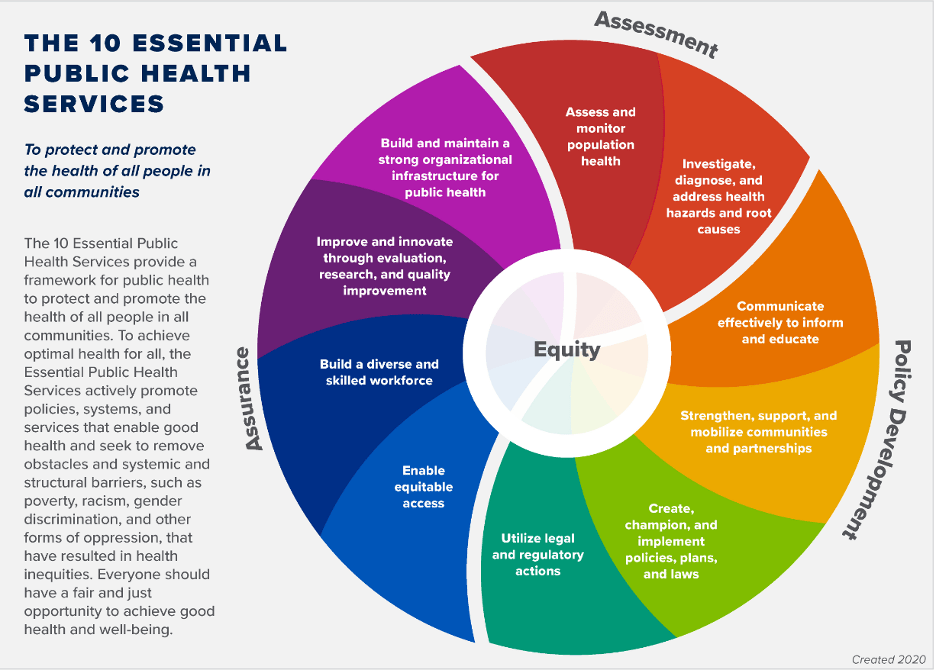
In 1994, the Public Health National Center for Innovations and the de Beaumont Foundation collaborated with partners to establish the Essential Public Health Services (EPHS), and on September 9, 2020, the first updated version of the original EPHS was released.1,2 As we celebrate a much-needed decrease in COVID-19 cases and deaths, it seems timely to review the updated EPHS, take stock, and plan for the future.
First, here is the 2020 version of our EPHS:
Analysis of our public health response to COVID-19 reveals successes and shortcomings. The successes include scaling up to investigate COVID-19 cases, clusters, and contacts in real time, even when hundreds of cases were occurring daily, and ramping up, with our partners, to administer 2,995,204 doses of vaccines in Tarrant County since the first vaccine allocations became available in December 2020.3 As a result, 85.87 percent of Tarrant County residents 65 years or older and 61.37 percent of Tarrant County residents aged five years through 64 years are now fully vaccinated.4 We have also worked effectively with state and local agencies, municipalities and other partner entities to vaccinate staff and vulnerable people in congregate settings. Alongside all of this, we have expanded our communications apparatus to keep our county residents informed of changing COVID-19 guidance, vaccine and testing availability, and to bridge language, cultural, and other social and systemic barriers that have prevented some in our community from accessing COVID-19 related care.
But we have much to do. Many in our county still experience barriers to health care access and are confused by widely circulated myths about COVID-19 infection, control measures, and vaccination. While current COVID-19 infections, hospitalizations, deaths and outbreaks are falling, we and our partners are working to provide accurate and culturally sensitive messaging to residents in North Texas who may have felt excluded from access to COVID-19 related care and information thus far. Tarrant County Public Health is embedding mobile healthcare in communities in need; it is a move based on advice from community leaders and aided by precision mapping and real-time syndromic surveillance.
Challenges to COVID-19 response include differences in approach to the pandemic among local, state, and federal entities. There have also been disparities in not only healthcare access, but also public transportation services to facilitate travel to sites for COVID-19 vaccination, testing, and treatment. An addition, access disparities between rural and urban North Texas communities and language, cultural, and religious barriers to COVID-19 related care have further complicated the situation.
Building a more diverse public health workforce and collecting detailed community needs assessments with guidance from respected community leaders and partners are important steps toward improvement. Using innovative strategies for our outreach efforts will help tremendously in the development of verifiably successful measures to make our community safer during the next COVID-19 surge, and during the next public health challenge – like maybe monkeypox!
References
1. Harrell, JA, Baker, EL. The essential services of public health. Leadership Public Health. 1994; 3(3): 27-30
2. Revised 10 Essential Public Health Services, launched virtually by the de Beaumont Foundation and Public Health National Center for innovations on 9/9/2020. Available at http://www.cdc.gov. Background information of steps leading to the revision of guidance available at http://www.PHNCI.org
3. Texas COVID-19 Vaccine Tracker (by county)
4. Texas Department of State Health Services COVID-19 Dashboard
Tarrant County Public Health (TCPH) confirms the first human case of West Nile Virus (WNV) for the 2022 season. The first positive mosquito pool was reported in May 2022.
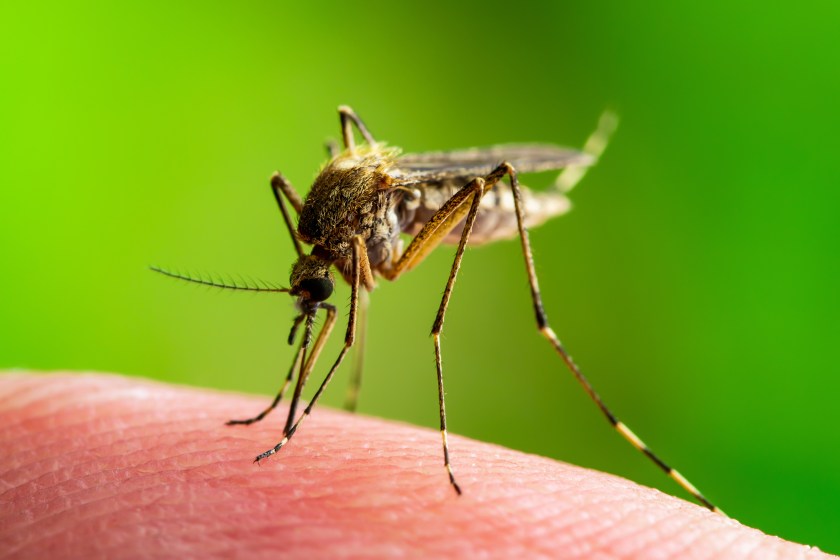
The individual involved resides in northwest Tarrant County. The person presented the mild form of the disease which is often referred to as WNV fever. Symptoms include headache, fever, muscle and joint aches, nausea, and fatigue. People typically recover on their own, although symptoms may last for several weeks. It was reported that the individual had outdoor activities within the incubation period. There have been no WNV-positive mosquito pools in the associated area. Additional details are not being released to protect the identity of the patient.
To date, TCPH has found a total of 7 WNV-positive mosquito pools within Tarrant County. Monitoring for the virus in mosquito pools is ongoing throughout the season (April through mid-November). Local cities and Tarrant County for unincorporated areas may perform mosquito treatment as needed.
TCPH reminds residents to take measures to safeguard against the WNV. Residents should dump standing water on their property, use repellent, and whenever possible, dress in long pants and long sleeves.
MORE ABOUT MOSQUITOES:
Mosquitoes need water to breed. They don’t lay their eggs in the air or on the ground, so dump ALL standing water.
Infected mosquitoes transmit WNV to people after feeding on infected birds.
Birds don’t transmit WNV to people. Mosquitos do.
Larvicides are products used to eliminate mosquitoes before they become adults.
Apply larvicides directly to water sources that hold mosquito larvae.
For more information about West Nile Virus visit the Be Mosquito Free webpage.
Tarrant County Public Health Back-to-School Immunization clinics kick off on August 1, 2022. The clinics will be offering all recommended immunizations.
If available, parents and individuals should bring their vaccination records. The cost of vaccines for children 0-18 years of age is $8 per shot and Adult Safety Net vaccines for those 19 years and older with no insurance is $15 per shot. Only cash, check, CHIP, or Medicaid will be accepted. Families with private insurance should contact their primary physician to obtain their immunizations.
During the Back-to-School Immunization clinics, COVID-19 vaccines at our brick-and-mortar locations and our weekly pop-up vaccine clinics are postponed to focus on ensuring students receive their immunizations before taking on a new school year. COVID-19 vaccines will be available at no charge at the Back-to-School clinics for persons aged 6 months and older who are interested in receiving them. Our six TCPH brick-and-mortar clinics will resume all vaccine operations on August 29, 2022, and pop-up COVID-19 vaccine clinics will resume in September.
Please see the Back-to-School Immunization clinic locations below:
Arlington Athletic Center August 1-13 M-F: 9 a.m. – 6 p.m. Saturday: 9 a.m.- 2 p.m.
Additional information on the Back-to-School Immunization Clinics can be found on our website or by calling the Tarrant County Public Health information line, 817-248-6299, Monday – Friday 8 a.m. to 6 p.m.
Tarrant County Public Health hosts numerous pop-up COVID-19 clinics across Tarrant County each week in partnership with public and private organizations listed below. Each site has the Moderna and Pfizer vaccines and at times the Johnson & Johnson. Infants 6 months and older are eligible for the vaccination. Parents need to bring proof of the child’s age and their own ID for the vaccination. Booster vaccinations are available at all of the vaccination locations.
TCPH would like to bring a COVID-19 vaccination clinic to businesses, churches and organizations in the community who are interested in hosting a pop-up clinic. It’s easy and free to host a clinic.
In addition to the vaccination opportunities below, the cities of Arlington, Fort Worth, Mansfield, North Richland Hills, Hurst, and Tarrant County College have also added opportunities for vaccinations. To find a local vaccine site, the County created a vaccine finder page: VaxUpTC website.
Pop-Up COVID-19 locations:
Greater Saint Stephen First Church Monday, July 18: 1 p.m. to 5 p.m. 3728 E. Berry St. Fort Worth, TX 76105
The Connect Community Crossroads Tuesday, July 19: 9 a.m. to 1 p.m. 1516 Hemphill St. Fort Worth, TX 76104
Tarrant County Public Health CIinics:
Northwest Public Health Center Monday to Friday: 8 a.m. to 12 p.m. and 1 to 5 p.m. 3800 Adam Grubb Road Lake Worth, TX 76135
Bagsby-Williams Health Center Monday to Friday: 8 a.m. to 12 p.m. and 1 to 5 p.m. 3212 Miller Ave. Fort Worth, TX 76119
Southeast Public Health Center Monday to Friday: 9 a.m. to 12 p.m. and 1 to 5 p.m. 536 W Randol Mill Arlington TX, 76011
Main Public Health Center Monday to Friday: 8 a.m. to 12 p.m. and 1 to 5 p.m. 1101 S. Main Street Fort Worth, TX 76104
Southwest Public Health Center Monday to Friday: 8 a.m. to 12 p.m. and 1 to 5 p.m. 6551 Granbury Road Fort Worth, TX 76133
Watauga Public Health Center Monday to Friday: 8 a.m. to 12 p.m. and 1 to 5 p.m. 6601 Watauga Road Watauga, TX 76148
The Vaxmobile is a partnership between Tarrant County Public Health and Trinity Metro to bring COVID-19 vaccines to underserved communities throughout Tarrant County. The 60-foot bus converted to a fully equipped mobile vaccine clinic, will make weekly stops in the areas with the lowest vaccination rates on Thursdays. Vaccinations are also available at the six Tarrant County Public Health clinics listed above every day of the week.
For more information go to coronavirus.tarrantcounty.com or call the Tarrant County Public Health Call Center, 817-248-6299, Monday – Friday 8 a.m. to 6 p.m.
Join our local chapter of Walk with a Doc this Saturday for a fun morning walking, talking about health, and meeting people in our community.
Here is what you need to know about the event:
• It will take place on July 9th, 2022 • The hour-long event will begin at 8:30am • Walkers will start at LVTRise – 8201 Calmont Ave., Fort Worth, TX 76116
As the Texas Medical Association digests and analyzes the full impact for Texas of the U.S. Supreme Court decision in Roe vs. Wade, President Gary W. Floyd, MD, issued the following statement today in response to the ruling.
“TMA remains committed to protecting the privacy and sanctity of the patient-physician relationship. TMA is unwavering in its stance against intrusions by government or other third parties that impede the patient-physician relationship, and any criminalization of acceptable and appropriate medical practices that may jeopardize that relationship or patients’ safety.
“Especially in high-risk situations, patients need to know their physicians will be there to care for them, and TMA will continue to work with state lawmakers to ensure a safe practice environment for physicians and their patients.”