Tarrant County Public Health: Health Advisory Alert

An original message by Tarrant County Public Health announced on June 9, 2023.

Tarrant County Public Health (TCPH) is issuing this Health Alert Network (HAN) Health Advisory to notify clinicians about a confirmed measles case in a Hood County resident in a Tarrant County Hospital. TCPH has worked closely with the facility to identify exposure to some patients and staff that occurred before measles was suspected. All exposed people have been contacted and advised to watch for signs and symptoms through June 22nd. TCPH collaborated with the facility and Texas Department of State Health Services (DSHS), to investigate and respond to this measles case and exposures.

Below is a forwarded HAN from DSHS with background information about the current measles case, information on measles and the importance of early recognition, diagnosis, and appropriate treatment. TCPH recommends that clinicians be on the alert for cases of measles that meet the case definition.

Due to the highly contagious nature of this disease, additional cases may occur. We advise clinicians to follow the recommendations below and report any suspected cases immediately to Tarrant County Public Health’s 24-hour reporting line at (817)321-5350, preferably while the patient is present.

Background

A young child who is a resident of Hood County was recently diagnosed with measles. The child had no history of travel to an area where measles is spreading and no known exposure to a person with measles. The child has been treated and is recovering.

This is the first confirmed case of measles in Texas since travel-related outbreaks in 2019, which led to 23 cases. Completion of the two-dose series of the measles vaccine is highly effective at preventing measles, however even vaccinated people may occasionally become infected.

Measles is a highly contagious respiratory illness. The virus is transmitted by direct contact with infectious droplets or by airborne spread when an infected person breathes, coughs, or sneezes. Measles virus can remain infectious in the air for up to two hours after an infected person leaves an area. The illness usually starts a week or two after someone is exposed with symptoms like a high fever, cough, runny nose and red, watery eyes. A few days later, the telltale rash breaks out as flat, red spots on the face and then spreads down the neck and trunk to the rest of the body. A person is contagious about four days before the rash appears to four days after. People with measles should stay home from work or school during that period.

The best way to prevent getting sick is to be immunized with two doses of the measles- containing vaccine, which is primarily administered as the combination of measles-mumps- rubella (MMR) vaccine. DSHS and the Centers for Disease Control and Prevention recommend children receive one dose at 12 to 15 months of age and another at 4 to 6 years. Children too young to be vaccinated or who have only had one dose of vaccine are more likely to get infected and more likely to have severe complications if they do get sick.

Recommendations For Health Care Professionals:

Healthcare providers should consider measles in patients presenting with the following symptoms, particularly those who have traveled abroad or had contact with known measles cases:

• Fever ≥101°F (38.3°C) AND
• Generalized maculopapular rash lasting ≥3 days AND Rash begins at the hairline/scalp and progresses down the body
• Cough, runny nose, conjunctivitis OR Koplik spots (bluish-white specks or a red-rose background appearing on the buccal and labial mucosa usually opposite the molars)

Immediately report any suspected cases of measles to Tarrant County Public Health at our 24 hour hotline (817)321-5350) (dshs.texas.gov/idcu/investigation/conditions/contacts). If possible, please report while the patient is present to facilitate testing and the public health investigation, including follow-up of potential exposures.

Infection Control Precautions

  • Airborne precautious should be followed to reduce possible exposures in healthcare settings.
  • In urgent/emergency healthcare settings, suspected cases should be masked with a surgical mask and triaged quickly from waiting areas into a room with a closed door, airborne isolation precautions recommended. In other outpatient settings, suspected cases should be scheduled at the end of the day, if possible. Healthcare workers caring for patients suspected of having measles should use airborne infection control precautions. (www.cdc.gov/hicpac/2007IP/2007isolationPrecautions.html)
  • Since measles is so highly transmissible and can spread in health care settings, people who work in places like a doctor’s office or emergency room should have evidence of measles immunity to prevent any potential outbreak. (https://www.cdc.gov/vaccines/pubs/surv-manual/chpt07- measles.html#f21).

Diagnostic Testing

  • Testing for measles should be done for all suspected cases of measles at the time of the initial medical visit:
  • Measles PCR and serology (IgM and IgG) testing is available at both the Texas DSHS Laboratory in Austin and at commercial laboratories.
  • The Texas DSHS Laboratory can perform PCR testing on throat swabs (preferred) or nasopharyngeal swabs placed in viral transport media and serology on serum specimens.
  • DSHS strongly encourages providers to submit PCR specimens to the DSHS Laboratory because genotyping will be performed on positive PCR specimens, which can be helpful during outbreaks.
  • Providers should work with their local health department or DSHS regional office to coordinate testing at the DSHS laboratory to ensure specimens are submitted correctly and meet testing requirements.
  • Unless coordinated in advance, specimens may only be received during normal business hours Monday through Friday.

Recommendations for Public Health:

Control and Prevention Measures

  • Measles vaccination may prevent disease in exposed people if given within 72 hours of exposure. People 6 months and older who have not been fully vaccinated would be eligible for vaccination under those circumstances. It may provide some long-term protection but should be followed with a second vaccination at least one month later. Immune globulin (IG) may be indicated for some people but should not be used to control an outbreak.
  • Pregnant women, people with severe immunosuppression, and anyone with a previous anaphylactic reaction to a vaccine component should not get a measles vaccine.

Controlling Outbreaks in Group Settings

  • People with confirmed or suspected measles should stay home from school, work, and other group settings until after the fourth day of rash onset.
  • During an outbreak, people without documented immunity from vaccination or previous measles infection should be isolated from anyone with measles to protect those without immunity and control the outbreak. Additional information on school exclusion and readmission can be found at dshs.texas.gov/idps- home/school-communicable-disease-chart

Recommendations for the Public

If you think you have measles or have been exposed to someone with measles, isolate yourself from others and call your healthcare provider before arriving to be tested so they can prepare for your arrival without exposing other people to the virus. Measles is extremely contagious and can cause life-threatening illness to anyone who is not protected against the virus.

TCMS Gold-Headed Cane Nominations Open for 2023

Physicians, nominations are now open for the 2023 Gold-Headed Cane Award, which is given annually to an outstanding TCMS member who has made a significant impact on our medical community.

To be eligible for the award, a nominee must be a current member of TCMS and have been a TCMS member for at least 15 years.

All current TCMS members have the opportunity to nominate one candidate for this award. You can make your nomination or learn more here.

All nominations must be received by July 31, 2023.

Physician Wellness

Tarrant County Physician Wellness Program: Addressing Burnout and Promoting Resiliency

by Casey Green, MD

THE TARRANT COUNTY MEDICAL SOCIETY IS launching a new wellness initiative available to medical society members and their families. We recognize the challenges associated with an ever-changing landscape in healthcare exacerbated by the COVID-19 pandemic that contribute to stress, burnout, and job dissatisfaction.

Modeled on the successful program at Travis County Medical Society, the Tarrant County Medical Society Wellness Program seeks to proactively address those among us who may be struggling. We have a mission to enhance the health of physicians, their families, and the communities in which we all live and work.

Physician burnout, the apparent catalyst to this situation, is considered a psychological response that may be experienced by doctors exposed to chronic situational stressors in the healthcare practice environment. It is often characterized by overwhelming exhaustion, feelings of cynicism and detachment from work, and a sense of ineffectiveness and lack of accomplishment.1

Physicians experiencing burnout, according to the medical literature, exhibit a wide array of signs, symptoms, and related conditions, including fatigue, loss of empathy, detachment, depression, and suicidal ideation. Nearly 25 percent of physicians surveyed last year were experiencing clinical depression. There were also significantly increased rates of depression among their family members.2

The most cited reasons for burnout include too many bureaucratic tasks, decreasing autonomy, increased work hours, and recent additional contributing factors related to COVID-19. Of those physicians experiencing burnout, more than half report it is strongly affecting their daily life and more than two thirds acknowledge impairments in relationships.2

Physicians often have to deal with difficult and tragic situations and losses. This continued exposure to human suffering can have a significant impact on mental and emotional wellbeing over time that often goes unrecognized.

Burnout is not always related to stressors arising in a work environment or to an individual’s character traits. Family issues, personal and professional relationships, financial pressures, insufficient work-life balance, or other external stressors may also contribute. Efforts aimed at the identification, treatment, or prevention of burnout must, therefore, approach the issue from a broad enough perspective to take all of these factors into account.

Too many physicians are reluctant to seek help for fear that they will be perceived as weak or unfit to practice medicine by their colleagues or employers, or because they assume that seeking such care may have a detrimental effect on their ability to renew or retain their state medical license.

The TCMS Wellness Program has developed relationships with community therapists who work with physicians or their family members to help them back on the path to wellness. These services will be confidential and paid for by this program for the first four sessions for any members or their families.

The goal of this new initiative is to provide information and resources to support physicians and their families in order to encourage and inspire each other to practice physical, mental, emotional, spiritual, and social wellness. The program is in its final formation steps, and we hope to meet these needs with workshops, mentorship, education, and other activities to promote healing, growth, and resiliency. We are excited about the future and will share more details as the program grows.

You can find more information about how to access the program at www.tcms.org/TMAiMis/Tarrant/Wellness or call 972-449-0762.

References

1. Maslach, C., Jackson, S.E. (1981). The Measurement of Experienced Burnout. Journal of Occupational Behavior, 2(2):99-113. See also, Maslach C, Jackson SE, Leiter MP. (1996). Maslach Burnout Inventory Manual. 3rded. and Maslach C, et al. (2001). Job Burnout. Annu Rev Psychol, 52:397–422

2. Kane L. ‘I Cry but No One Cares’: Physician Burnout & Depression Report 2023. Medscape. Published January 27, 2023. Available at: https://www.medscape.com/slideshow/2023-lifestyle-burnout-6016058.

STUDENT ARTICLE: ADVOCACY FOR PATIENTS’ MENTAL HEALTH

by AIYANA PONCE, OMS-II

This article was originally published in the March/April issue of the Tarrant County Physician.

HISTORICALLY, STIGMA AGAINST MENTAL HEALTH, ACCESS to care, and discrimination contribute to worsened health outcomes. This is especially true for certain racial or ethnic groups such as those made up of Black and Hispanic individuals, as there are culturally negative views on mental health symptoms and/or treatment, a fear of mistrust of the medical community due to historical discrimination or mistreatments, or lack of access to mental health services.

To help address this, the Lay Mental Health Advocates (LMHA) program was created. This free, virtual training program is designed to teach laypersons the fundamentals needed to advocate for someone who is dealing with mental illness. LMHA focuses on teaching mental health advocacy by understanding how social determinants worse mental health and play key roles in overall health outcomes for marginalized communities. The social determinants of health are defined by the U.S. Department of Health and Human Services as “the conditions in the environments where people are born, love, learn, work, play, worship, and age that affect a wide range of health, functioning, and quality-of-life outcomes and risks.”

LMHA began as a volunteer project during my time as a research trainee at the National Institute of Allergy and Infectious Diseases before beginning medical school. In addition to conducting experiments in a traditional laboratory setting, I was a fellow of the National Institutes of Health Academy. This program allowed me to meet other trainee scientists equally as passionate about patient advocacy. Ultimately, the goal of this program was to implement a volunteer project that addresses health disparities in the local community.

We saw a need for interventional programs to fill the mental health gap that is particularly prevalent among marginalized communities. Our program consists of a weekly online workshop led by psychiatry residents or attendings from Duke University Hospital and local community leaders. they include interactive role-playing advocacy practice, case study reviews, and other informative components. Our eight-week-long program was modeled after the Johns Hopkins Medicine Lay Health Advocate Program and the Mental Health Allyship Program. Through LMHA, advocates can identify several different mental health conditions, gain a greater understanding of the factors that exacerbate health disparities, understand how to provide effective emotional support, and gain confidence in the role they can play in the lives of their community members by BEING mental health advocates.

The pilot program took place during Spring of 2021, and we had 100 participants whose ages ranged from 18-58. We are now on track to our third workshop series, with participants from across the county. In addition to that, we are currently expanding our team, working on our non-profit application, and establishing a volunteer program to work with the Duke Behavioral Health Inpatient Unit.

Watching this program grow beyond anything my team had imagined has been very rewarding. I wanted to share this journey with those of you reading to encourage you to continue advocating for yourself, your patients, and your community. If you ever see a problem that needs to be addressed or a gap that needs to be filled, just go for it- you never know what may come of it.

References:


Addressing Conscientious Objection in Healthcare

Insights from the 2023 Healthcare in a Civil Society Forum

by Liz Ramirez

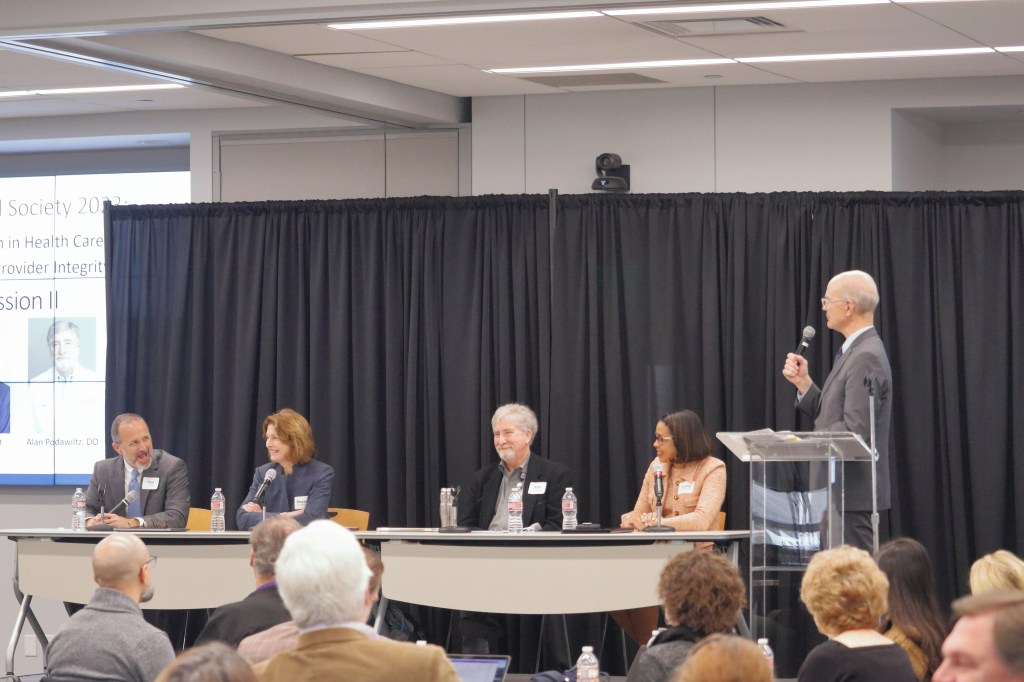
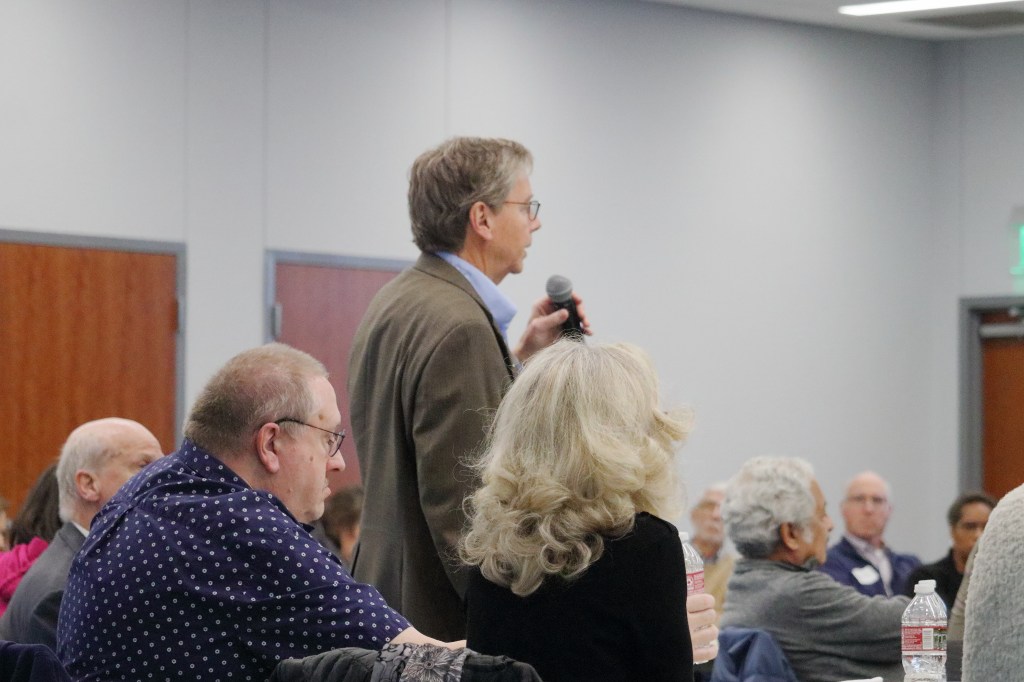
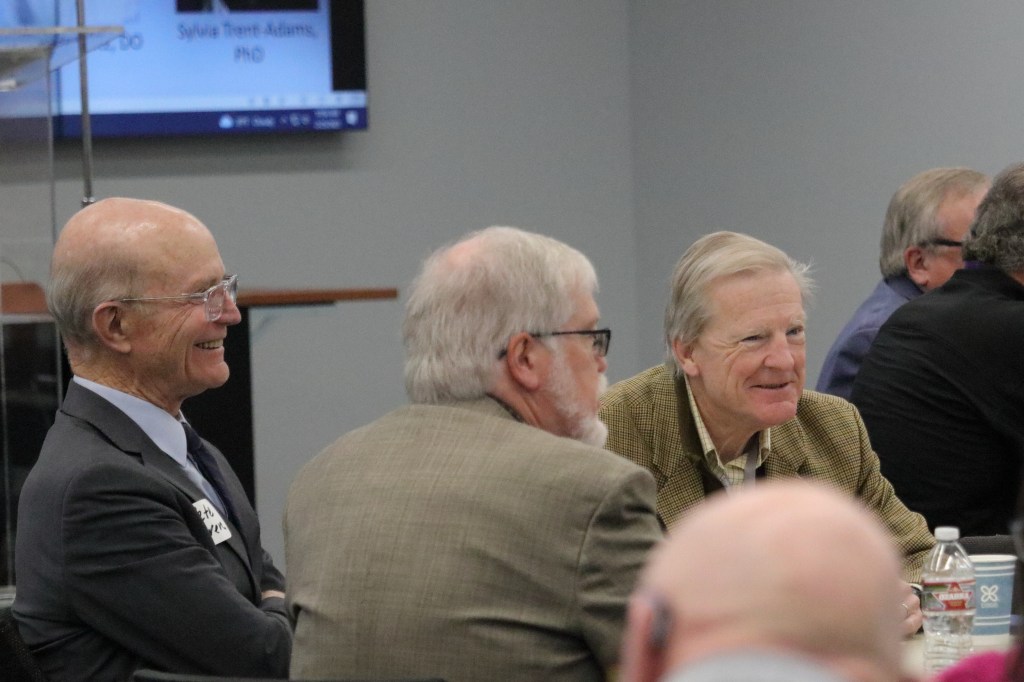
The Tarrant County Academy of Medicine Ethics Consortium, in partnership with Tarrant County Medical Society, hosted Healthcare in a Civil Society on Saturday, February 25, 2023. The annual forum’s central theme focused on “Conscientious Objections in Health Care: Patient Autonomy and Provider Integrity.” 

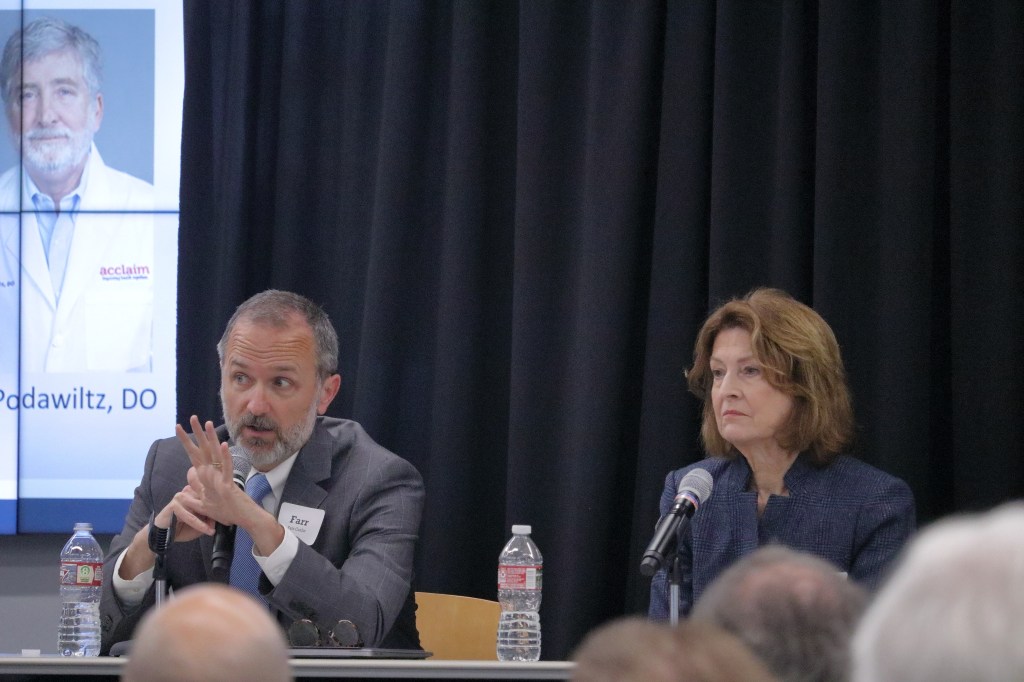
TCMS President Stuart Pickell, MD, joined Steve Brotherton, MD, as HCS moderator and welcomed their keynote speaker, Farr Curlin, MD, at the University of North Texas Health Science Center.  

“Dr. Curlin is an internationally known expert on physician conscience and conscientious objection,” said Dr. Pickell. “He is particularly concerned with the moral and spiritual dimensions of medical practice, the doctor-patient relationship, and the moral and professional formation of physicians. His areas of expertise are medicine, medical ethics, doctor-patient relationship, religion and medicine, and conscience.” 

On the panel, Dr. Curlin was accompanied by panelists Maxine M. Harrington, JD; Alan Podawiltz, DO; and UNTHSC President, Sylvia Trent-Adams, Ph.D., RN. In the discussion, Preston “Pete” Geren, JD, moderated a panel about educational topics like state intrusion into practice, the effect of providers performing unethical acts, and how medical educators can train students to recognize moral injury. 

Participants had the opportunity to interact in small groups and prepare questions for the panelists during the breakout session, where panelists discussed the impact of government and institutional intrusion into medical practice, its effect on healthcare providers, and what providers can do to address it.  

“While this event targets medical professionals, anyone who has an interest in the doctor-patient relationship- how it has evolved, where it is heading and implications for the future of healthcare- will find this program helpful,” said Dr. Pickell.

The Tarrant County Academy of Medicine Ethics Consortium believes anyone in the community with an interest to improve healthcare can benefit from this program. The event wouldn’t be possible without the support of Blue Cross Blue Shield, Cook Children’s Medical Center, JPS Health Network, and the University of North Texas Health Science Center. 

COVID-19 Vaccine Clinics for the Week of January 14

January 13, 2023 – (Tarrant County) – Tarrant County Public Health hosts numerous pop-up COVID-19 clinics across Tarrant County each week in partnership with public and private organizations listed below. Each site has the Moderna, Pfizer, and Novavax vaccines. Infants six months and older are eligible for the vaccination. Parents need to bring proof of the child’s age and their own ID for the vaccination. Booster vaccinations are available at all of the vaccination locations. 

  
TCPH would like to bring a COVID-19 vaccination clinic to businesses, churches, and organizations in the community that are interested in hosting a pop-up clinic. It’s easy and free to host a clinic.
 
In addition to the vaccination opportunities below, the cities of Arlington, Fort Worth, Mansfield, North Richland Hills, Hurst, and Tarrant County College have also added opportunities for vaccinations. To find a local vaccine site, the County created a vaccine finder page: VaxUpTC website.

Pop-Up COVID-19 locations:

Baker Chapel AME Church 
Saturday, Jan. 14: 10 a.m. to 2 p.m.
1050 E. Humboldt St.  
Fort Worth, TX 76104

Advent Health Care Center of Burleson  
Tuesday, Jan. 17: 9 a.m. to 11 a.m.
301 Huguley Blvd.   
Burleson, TX 76028

Vaxmobile-Southside Community Center 
Thursday, Jan. 19: 9 a.m. to 4 p.m.
959 E. Rosedale St. 
Fort Worth, TX 76104

Tarrant County Public Health CIinics: 

Northwest Public Health Center
Monday to Friday: 8 a.m. to 12 p.m. and 1 to 5 p.m.
3800 Adam Grubb Road
Lake Worth, TX 76135

Bagsby-Williams Health Center
Monday to Friday: 8 a.m. to 12 p.m. and 1 to 5 p.m.
3212 Miller Ave.
Fort Worth, TX 76119

Southeast Public Health Center
Monday to Friday: 9 a.m. to 12 p.m. and 1 to 5 p.m.
536 W Randol Mill
Arlington TX, 76011

Main Public Health Center
Monday to Friday: 8 a.m. to 12 p.m. and 1 to 5 p.m.
1101 S. Main Street
Fort Worth, TX 76104

Southwest Public Health Center
Monday to Friday: 8 a.m. to 12 p.m. and 1 to 5 p.m.
6551 Granbury Road
Fort Worth, TX 76133

Watauga Public Health Center
Monday to Friday: 8 a.m. to 12 p.m. and 1 to 5 p.m.
6601 Watauga Road
Watauga, TX 76148

For more information go to coronavirus.tarrantcounty.com or call the Tarrant County Public Health information line, 817-248-6299, Monday – Friday 8 a.m. to 6 p.m.

COVID-19 Vaccine Clinics for the Week of January 7

January 5, 2023 – (Tarrant County) – Tarrant County Public Health hosts numerous pop-up COVID-19 clinics across Tarrant County each week in partnership with public and private organizations listed below. Each site has the Moderna, Pfizer, and Novavax vaccines. Infants six months and older are eligible for the vaccination. Parents need to bring proof of the child’s age and their own ID for the vaccination. Booster vaccinations are available at all of the vaccination locations. 

  
TCPH would like to bring a COVID-19 vaccination clinic to businesses, churches, and organizations in the community that are interested in hosting a pop-up clinic. It’s easy and free to host a clinic.
 
In addition to the vaccination opportunities below, the cities of Arlington, Fort Worth, Mansfield, North Richland Hills, Hurst, and Tarrant County College have also added opportunities for vaccinations. To find a local vaccine site, the County created a vaccine finder page: VaxUpTC website.

Pop-Up COVID-19 locations:

Beth Eden Baptist Church 
Saturday, Jan. 7: 10 a.m. to 4 p.m.
3308 Wilbarger St. 
Fort Worth, TX 76119

Cityview Nursing and Rehabilitation  
Tuesday, Jan. 10: 10 a.m. to 2 p.m.
5801 Bryant Irvin Rd.   
Fort Worth, TX 76132

Vaxmobile-Watauga City Hall 
Thursday, Jan. 12: 9 a.m. to 4 p.m.
7105 Whitley Rd. 
Watauga, TX 76148

Tarrant County Public Health CIinics: 

Northwest Public Health Center
Monday to Friday: 8 a.m. to 12 p.m. and 1 to 5 p.m.
3800 Adam Grubb Road
Lake Worth, TX 76135

Bagsby-Williams Health Center
Monday to Friday: 8 a.m. to 12 p.m. and 1 to 5 p.m.
3212 Miller Ave.
Fort Worth, TX 76119

Southeast Public Health Center
Monday to Friday: 9 a.m. to 12 p.m. and 1 to 5 p.m.
536 W Randol Mill
Arlington TX, 76011

Main Public Health Center
Monday to Friday: 8 a.m. to 12 p.m. and 1 to 5 p.m.
1101 S. Main Street
Fort Worth, TX 76104

Southwest Public Health Center
Monday to Friday: 8 a.m. to 12 p.m. and 1 to 5 p.m.
6551 Granbury Road
Fort Worth, TX 76133

Watauga Public Health Center
Monday to Friday: 8 a.m. to 12 p.m. and 1 to 5 p.m.
6601 Watauga Road
Watauga, TX 76148

For more information go to coronavirus.tarrantcounty.com or call the Tarrant County Public Health information line, 817-248-6299, Monday – Friday 8 a.m. to 6 p.m.

COVID-19 Vaccine Clinics for the Week of September 24

Tarrant County Public Health hosts numerous pop-up COVID-19 clinics across Tarrant County each week in partnership with public and private organizations listed below. Each site has the Moderna and Pfizer vaccines, and some will also have the Johnson & Johnson. Children five and older are eligible for the vaccination. Parents need to bring proof of the child’s age and their own ID for the vaccination. Booster vaccinations are available at all of the vaccination locations.

  
TCPH would like to bring a COVID-19 vaccination clinic to businesses, churches and organizations in the community who are interested in hosting a pop-up clinic. It’s easy and free to host a clinic.
 
In addition to the vaccination opportunities below, the cities of Arlington, Fort Worth, Mansfield, North Richland Hills, Hurst, and Tarrant County College have also added opportunities for vaccinations. To find a local vaccine site, the County created a vaccine finder page: VaxUpTC website.

Pop-Up COVID-19 locations:

Grand Lodge
Saturday, Sep. 24: 10 a.m. to 2 p.m.
3433 Martin Luther King Jr Freeway
Fort Worth, TX 76119

Foundation Communities  
Tuesday, Sep. 27: 12 p.m. to 4 p.m.
2020 South Cooper St.
Arlington, TX 76013

Tandy Village Assisted Living  
Wednesday, Sep. 28: 11 a.m. to 1 p.m.
2601 Tandy Ave.  
Fort Worth, TX 76103

Aging Well Expo  
Thursday, Sep. 29: 9 a.m. to 2 p.m.
1200 Ballpark Way
Arlington, TX 76011

Tarrant County Public Health CIinics:

Northwest Public Health Center
Monday to Friday: 8 a.m. to 12 p.m. and 1 to 5 p.m.
3800 Adam Grubb Road
Lake Worth, TX 76135

Bagsby-Williams Health Center
Monday to Friday: 8 a.m. to 12 p.m. and 1 to 5 p.m.
3212 Miller Ave.
Fort Worth, TX 76119

Southeast Public Health Center
Monday to Friday: 9 a.m. to 12 p.m. and 1 to 6 p.m.
536 W Randol Mill
Arlington TX, 76011

Main Public Health Center
Monday to Friday: 8 a.m. to 12 p.m. and 1 to 6 p.m.
1101 S. Main Street
Fort Worth, TX 76104

Southwest Public Health Center
Monday to Friday: 8 a.m. to 12 p.m. and 1 to 5 p.m.
6551 Granbury Road
Fort Worth, TX 76133

Watauga Public Health Center
Monday to Friday: 8 a.m. to 12 p.m. and 1 to 5 p.m.
6601 Watauga Road
Watauga, TX 76148

For more information go to coronavirus.tarrantcounty.com or call the Tarrant County Public Health information line, 817-248-6299, Monday – Friday 8 a.m. to 6 p.m.

Public Health Notes

By Catherine Colquitt, MD, Tarrant County Public Health Medical Director

This article was originally published in the July/August 2022 issue of the Tarrant County Physician. You can read find the full magazine here.

In 1994, the Public Health National Center for Innovations and the de Beaumont Foundation collaborated with partners to establish the Essential Public Health Services (EPHS), and on September 9, 2020, the first updated version of the original EPHS was released.1,2 As we celebrate a much-needed decrease in COVID-19 cases and deaths, it seems timely to review the updated EPHS, take stock, and plan for the future.

First, here is the 2020 version of our EPHS:


Analysis of our public health response to COVID-19 reveals successes and shortcomings. The successes include scaling up to investigate COVID-19 cases, clusters, and contacts in real time, even when hundreds of cases were occurring daily, and ramping up, with our partners, to administer 2,995,204 doses of vaccines in Tarrant County since the first vaccine allocations became available in December 2020.3 As a result, 85.87 percent of  Tarrant County residents 65 years or older and 61.37 percent of Tarrant County residents  aged five years through 64 years are now fully vaccinated.4   We have also worked effectively with state and local agencies, municipalities and other partner entities to vaccinate staff and vulnerable people in congregate settings. Alongside all of this, we have expanded our communications apparatus to keep our county residents informed of changing COVID-19 guidance, vaccine and testing availability, and to bridge language, cultural, and other social and systemic barriers that have prevented some in our community from accessing COVID-19 related care.   

But we have much to do. Many in our county still experience barriers to health care access and are confused by widely circulated myths about COVID-19 infection, control measures, and vaccination. While current COVID-19 infections, hospitalizations, deaths and outbreaks are falling, we and our partners are working to provide accurate and culturally sensitive messaging to residents in North Texas who may have felt excluded from access to COVID-19 related care and information thus far.  Tarrant County Public Health is embedding mobile healthcare in communities in need; it is a move based on advice from community leaders and aided by precision mapping and real-time syndromic surveillance. 

Challenges to COVID-19 response include differences in approach to the pandemic among local, state, and federal entities. There have also been disparities in not only healthcare access, but also public transportation services to facilitate travel to sites for COVID-19 vaccination, testing, and treatment. An addition, access disparities between rural and urban North Texas communities and language, cultural, and religious barriers to COVID-19 related care have further complicated the situation.

Building a more diverse public health workforce and collecting detailed community needs assessments with guidance from respected community leaders and partners are important steps toward improvement. Using innovative strategies for our outreach efforts will help tremendously in the development of verifiably successful measures to make our community safer during the next COVID-19 surge, and during the next public health challenge – like maybe monkeypox! 

References

1. Harrell, JA, Baker, EL. The essential services of public health.  Leadership Public Health. 1994; 3(3): 27-30

2. Revised 10 Essential Public Health Services, launched virtually by the de Beaumont Foundation and Public Health National Center for innovations on 9/9/2020.  Available at http://www.cdc.gov. Background information of steps leading to the revision of guidance available at http://www.PHNCI.org

3. Texas COVID-19 Vaccine Tracker (by county)

4. Texas Department of State Health Services COVID-19 Dashboard

Tarrant County’s First Positive Human Case of West Nile Virus in 2022 Season Confirmed

Tarrant County Public Health (TCPH) confirms the first human case of West Nile Virus (WNV) for the 2022 season. The first positive mosquito pool was reported in May 2022.

The individual involved resides in northwest Tarrant County. The person presented the mild form of the disease which is often referred to as WNV fever. Symptoms include headache, fever, muscle and joint aches, nausea, and fatigue. People typically recover on their own, although symptoms may last for several weeks. It was reported that the individual had outdoor activities within the incubation period. There have been no WNV-positive mosquito pools in the associated area. Additional details are not being released to protect the identity of the patient.

To date, TCPH has found a total of 7 WNV-positive mosquito pools within Tarrant County. Monitoring for the virus in mosquito pools is ongoing throughout the season (April through mid-November). Local cities and Tarrant County for unincorporated areas may perform mosquito treatment as needed.

TCPH reminds residents to take measures to safeguard against the WNV. Residents should dump standing water on their property, use repellent, and whenever possible, dress in long pants and long sleeves.

MORE ABOUT MOSQUITOES:

  • Mosquitoes need water to breed. They don’t lay their eggs in the air or on the ground, so dump ALL standing water.
  • Infected mosquitoes transmit WNV to people after feeding on infected birds.
  • Birds don’t transmit WNV to people. Mosquitos do.
  • Larvicides are products used to eliminate mosquitoes before they become adults.
  • Apply larvicides directly to water sources that hold mosquito larvae.

For more information about West Nile Virus visit the Be Mosquito Free webpage.

Design a site like this with WordPress.com
Get started