Project Access Tarrant County

Salud en Tus Manos:
Medication
Management

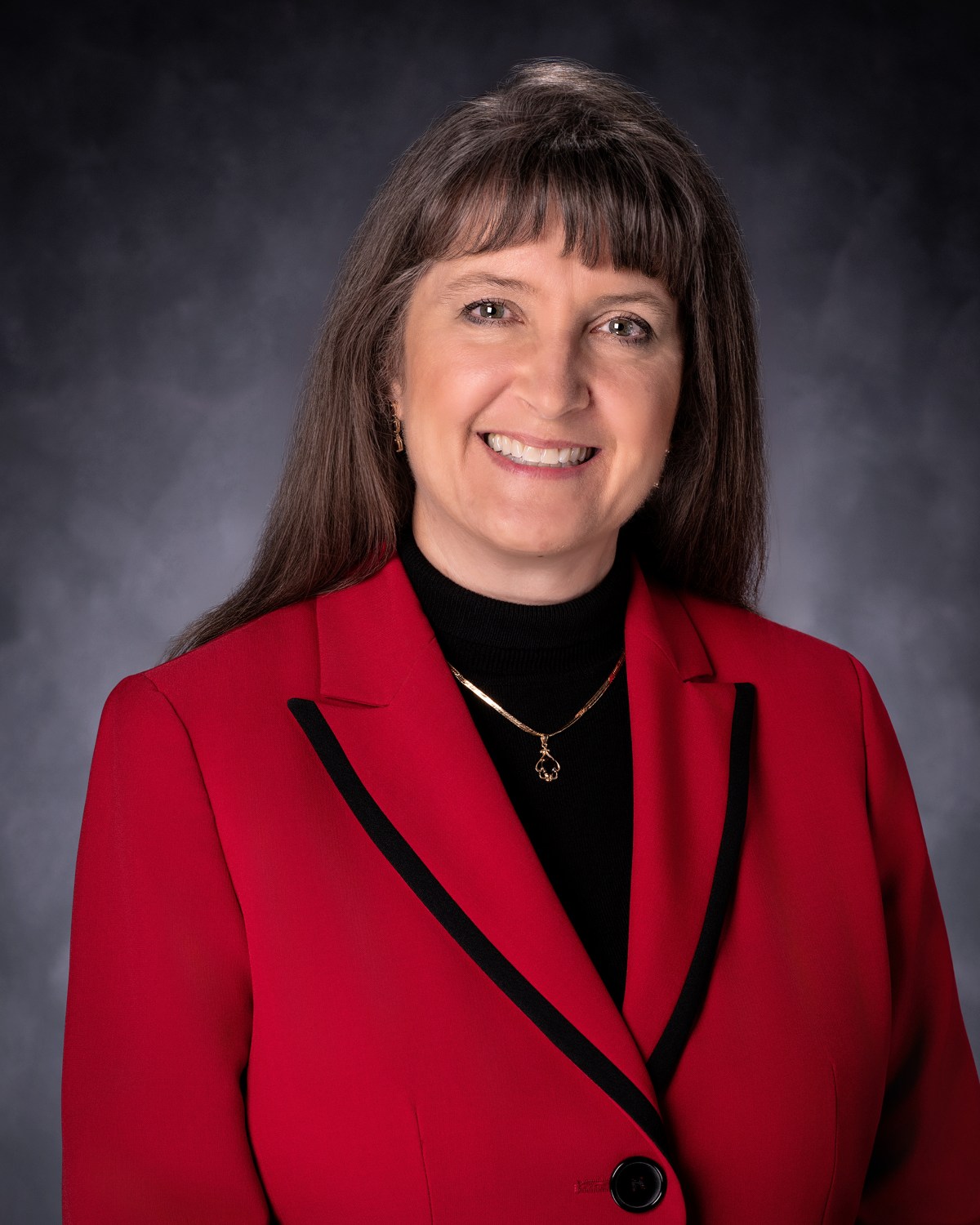
By Kathryn Keaton

This article was originally published in the September/October 2025 issue of  Tarrant County Physician.

On July 16, Project Access Tarrant County (PATC) held its second Salud en Tus Manos class. For those unfamiliar with it, Salud en Tus Manos (“Health in Your Hands”) is a new initiative under PATC that addresses the social drivers of health (SDOH) faced by many of our patients. These classes, provided through Texas Health Community Hope as part of our Community Impact Grant, are designed for patients with diabetes and/or hypertension who live in one of five priority ZIP codes: 76010, 76011, 76104, 76105, and 76119.

The July class, “Managing Your Medications,” guided participants through the entire prescription process—from the doctor’s visit where a medication is prescribed to understanding labels, following directions, and knowing how to request refills.

Why This Curriculum Matters
Medication adherence is a challenge nationwide, especially for chronic conditions like diabetes and hypertension. When compounded by SDOH such as language barriers, limited formal education, or financial insecurity, the consequences can be severe.

In fall of 2024, PATC saw this firsthand. A 39-year-old woman had waited more than a year for gynecological surgery. When she finally received a surgery date, her pre-op testing revealed dangerously uncontrolled diabetes. Records showed she had not returned to her primary care provider since her initial PATC referral, and she admitted she skipped follow-ups because she “felt fine.” Without those visits, she never received medication refills. Her surgery was canceled, delaying treatment another five months. Though she eventually had a successful procedure, her experience underscores the importance of consistent care and medication compliance—the very issues Salud en Tus Manos seeks to address.

Who We Reached
Our July participants were foreign born with a median age of 45. All had lived in the United States for at least 18 years. The highest level of formal education completed was eighth grade, with 75 percent of the attendees’ education taking place outside the United States. Every participant had hypertension, and half also managed diabetes. All reported attending medical appointments every three to six months.

While all participants felt “extremely confident” in understanding their medications, half believed they could take prescriptions however they wished as long as the medication was prescribed, and all believed they could not receive their medications in their preferred language.

Encouragingly, the post-survey showed significant improvement: 100 percent of participants correctly recognized the importance of taking medication exactly as prescribed.

Hands-On Learning
The class combined instruction with interactive activities. Participants identified warning labels, practiced interpreting dosage and timing instructions, and learned when and how to request refills—not only for their chronic condition medications but for all prescriptions.
Like our first class in March, participant satisfaction scores reflected both engagement and impact. The curriculum is clearly filling an important knowledge gap and helping patients feel more confident in managing their health.

Looking Ahead
Medication management is a crucial step toward improving long-term health outcomes, and Salud en Tus Manos is proving to be a meaningful resource for patients navigating barriers to care. With every class, PATC and its partners continue working toward healthier futures for our community.
Our first class, “How to Communicate with Your Doctor,” gave patients the tools to ask questions and advocate for themselves during medical visits. This September, we will be offering that class again—this time with two sessions, one in English and one in Spanish. The program will continue to grow. The next planned class, “Food as Medicine,” specifically requested by half of past Salud en Tus Manos attendees, will explore how nutrition choices can support patients in managing chronic conditions and improving their overall well-being. Together, these classes are building a foundation for healthier lives—one step, one conversation, and one patient at a time.

Introducing MATRIX: Medical Assessments and Tools for Inclusive Xperiences

By Kathryn Keaton

IN 2019, TEXAS HEALTH RESOURCES Foundation announced a new series of grant cycles: the Texas Health Community Impact grants. These grants are available to five regions, with specific focuses for each county based on their most recent Community Needs Assessment.

These two-year awards are made to local organizations that work collaboratively to serve specific zip codes and address health disparities and socioeconomic hardships in innovative ways. Past Tarrant projects funded include community gardens, mental health access, and culinary job training.

For the 2025–2026 grant cycle, the Foundation awarded $5 million to 18 projects across North Texas. Project Access Tarrant County is honored to be among these recipients for a total award of $385,662 over two years.

Partnering with Cornerstone Assistance Network (CAN) and Mission Arlington, the project will utilize enhanced technology, education, and a shared employee to affect radical change in the care of patients with diabetes and/or hypertension in five target zip codes: 76010, 76011, 76104, 76105, and 76119.

We are proud to introduce our project, MATRIX: Medical Assessments and Technology for Inclusive Xperiences.

The Project

Since PATC offers specialty medical and surgical care, our clinic partners are vital. Most patients come to PATC from a referral made by primary care, and those who do not are required, with PATC’s assistance, to establish a connection with primary care.

CAN and Mission Arlington are among PATC’s founding partners. Both clinics serve as medical homes. CAN serves mostly patients in Fort Worth (MATRIX target zip codes 76104, 76105, and 76119), and Mission Arlington serves mostly Arlington patients (MATRIX target zip codes 76010 and 76011). Combined, PATC, CAN, and Mission Arlington provide a spectrum of primary and specialty/surgical care.

Community Health Worker

The single biggest innovation with MATRIX is the addition of a Community Health Worker (CHW). And not just a CHW—but a shared CHW. Once this individual is hired, they will travel between PATC, CAN, and Mission Arlington, having “office hours” at each location. While some patients will meet with the CHW at the PATC office, most will have appointments at their primary care clinic—a place and location where they have an existing relationship and feel comfortable.

The CHW’s activities will be tailored to each patient. The CHW may assist with one-on-one diabetic or hypertension education, help with access to prescription assistance, arrange transportation to diabetic eye exams, or complete hospital paperwork for PATC surgeries. The cadence will vary, but each patient will have individual appointments with the CHW. In total, Cornerstone plans to serve 100 patients and Mission Arlington plans to serve 750 in this manner. CAN’s and Mission Arlington’s aim is that 65 percent of all patients with hypertension will have blood pressure readings below 140/90 and that 68 percent of all patients with diabetes will have an A1c below 9 by the end of the grant period.

Education

A recent Tarrant County Physician article briefly mentioned that a TCU medical student chose PATC as her site to complete her Scholarly Pursuits and Thesis (SPT) project.1,2 Alex Koehl, MPH, MS-I at TCU, brings her public health expertise to PATC in creating a series of classes pertaining to social determinants of health (SDOH) common to PATC patients.

The first class will occur in late March. This class will empower patients to ask questions to understand their disease and treatment and to speak up if they do not understand their instructions. Patients who are seen pro bono often feel that they do not have agency to advocate for themselves and ask questions, leading to confusion and misunderstandings that eventually cause non-compliance and a lack of resolution of their health condition. The MATRIX grant allows for meals and incentives, encouraging attendance. The series will be facilitated in both Fort Worth and Arlington. Future topics include how to open a bank account (sometimes required for hospital charity applications), how to read a prescription bottle, and how to navigate a patient portal.

Technology

Enhanced technology will answer some of the barriers we face with our patients. We recently received a separate grant that will cover the cost of CareMessage, a messaging platform for safety-net organizations to “increase access to care, improve clinical outcomes, and address social drivers of health.”3

CareMessage will allow PATC to schedule appointment reminders (that include the address with a Google map link!), respond in real-time to questions or concerns, and generally allow for texting instead of playing phone tag. In addition, CareMessage can automatically translate any message into one of dozens of languages, meaning that any PATC staff member can communicate with any patient regardless of language proficiency.

CareMessage will not replace PATC’s personal touch—all initial contact and important information will be relayed by telephone. But for simple reminders and questions where a yes- or-no response is needed, a phone call is generally not necessary.

While the messaging feature is an exciting progression in PATC’s day-to- day operations, CareMessage can go much deeper and is vital to MATRIX’s future success.

CareMessage has several preloaded educational text series. Stephen Pullman, MS-I at TCU, has also chosen PATC as his SPT site. Stephen is vetting existing diabetes and hypertension modules. In addition, as training progresses, Stephen is documenting ideas for future education modules that we can create. By the conclusion of his project, we will have multiple avenues for patient education on both preventative care and chronic conditions.

The survey element is also vital to Alex’s project. With CareMessage, patients will complete pre- and post-surveys for our SDOH classes, measuring the attendees’ level of understanding before and after the material that can be reported to the Texas Health Community Impact Grant project management team. We will also use this for participant feedback to improve future curricula.

As with all innovation, this project will have adaptations, enhancements, and changes over the course of the next two years; but we know that the future is bright. With the THR Foundation’s endorsement, the collaboration with two historic partners, and the opportunity for enhanced technology, by the end of this grant period, significant change and improvement will be affected. We look forward to keeping you updated as MATRIX continues to progress.

References:

  1. Kathryn Keaton, “Project Access Tarrant County: Growth in 2025,” Tarrant County Physician, January/ February 2025, 21–22.
  2. “Scholarly Pursuit and Thesis: Burnett School of Medicine at TCU: Fort Worth, Texas,” Burnett School of Medicine at TCU, June 17, 2024, https:// mdschool.tcu.edu/empathetic-scholar/ scholarly-pursuit-and-thesis/.
  3. “Patient Engagement for Improved Health Equity,” CareMessage, February 4, 2025, https://www.caremessage.org/.

Student Article: Carrying the Torch

By Olivia Mayer, OMS-II, TCOM

In one way or another, I have always been tied to medicine by an invisible string. One of my fondest memories of my childhood was around the age of five, when I would help my mom put together goodie-baskets for the oncology patients she would be visiting the upcoming week. This was a Sunday ritual for my mother and me, one we did while simultaneously baking chocolate chip cookies in the oven. No, my mom is not a medical provider; she is a pharmaceutical sales rep who spent any extra time she had on the weekends creating those baskets to show the patients that were taking part in clinical trials for the lymphoma drug she sold that she cared about them. This was an act out of pure benevolence and servitude for those who needed it more than the average person.

In a similar light, my grandmother spent most of her nursing career as a breast cancer nurse in Buffalo, New York. Growing up, I remember Grandma always sharing her favorite memories as a nurse. She was glowing with pride when I told her that I had a similar interest in oncology. Fast forward to today—now Grandma and I share conversations and exchange information about new developments in the breast cancer world. It is truly a full-circle moment with a touch of nostalgia from my younger days. Now as a medical student, I have the immense privilege to carry the torch of my mother and grandmother into my own medical journey. Besides being introduced to this field at a very early age, oncology has piqued my interest by its very nature. The endless opportunities to become a pioneer in cancer research or navigate complex treatment options that can potentially impact countless lives is truly the epitome of medicine, and continues to be the center of my “why.”

It has always been extremely important to me that I seek out any opportunity to create an impact in this field, just as my mother and grandmother did. As the current vice president for my school’s Oncology Student Interest Group (OSIG), I have had the amazing opportunity to assist in cultivating a tight-knit community of passionate students united by a shared commitment to being a source of support and positive change for patients during their most vulnerable moments.

One of the most significant moments I have had serving as a leader of this organization was in honoring the memory of my childhood friend, Zach, who passed away from astrocytoma in the fall of 2018. I felt a personal calling to head an OSIG fundraiser in honor of Zach and in support of his charity, the Big Z Foundation. The Big Z Foundation is led by Zach’s mother and father and financially supports terminally ill children and their families around the DFW area. Just in time for North Texas Giving Day on September 19th of this year, OSIG was able to raise hundreds of dollars for the Big Z Foundation. This support will help local families by assisting with the cost of their hospital bills, treatments, and housing costs. I can only describe the feeling I experienced as true enrichment when I surprised Zach’s parents on behalf of OSIG with our collective donations for the charity. The profound gratitude they expressed is something I will forever hold near and dear.

In moments like this, sharing acts of servitude and benevolence with fellow classmates is an experience so rewarding that it is impossible to fully express in words. This journey has brought me a feeling of gratification in service that is similar to the one I reminisce about when remembering making oncology patient baskets in my childhood. As I continue on my path in medicine, it is my personal mission to continue these acts of benevolence and shed light on those around me so that the flame of my mother’s and grandmother’s torch continues to be passed forward and illuminate a new generation’s impact on the field of oncology.

Project Access Tarrant County: Growth in 2025

by Kathryn Keaton

Another year has come and gone, and Project Access Tarrant County is beginning its fourteenth full year of serving Tarrant County.

While a full 2024 annual report will be included in the next edition of Tarrant County Physician, we did experience growth and are excited that new relationships in our community are bringing new things for this year. Here’s what you can expect to see from us in the next twelve months.

Staffing

In February 2024, PATC hired a new full-time bilingual case manager, Karla Aguilar. Karla was not new to PATC—she originally came to us in 2021 to complete her internship for her undergraduate degree in public health. Over the past ten months, Karla has refreshed our enrollment and application process, increasing overall efficiency.

PATC also has an additional new employee starting this month. Joanna Lopez, our part-time bilingual program specialist, will be the first point of contact for all new referrals and will assist with processing referrals, prescreening patients, reviewing paperwork, and keeping up with patient communication.

Interns and Volunteers

In the fall of 2024, PATC invited freshman medical students from both the Burnett School of Medicine at TCU and UNT Health Science Center to volunteer with us. These students have been instrumental in keeping us on top of new referrals and other data entry. We will continue to have medical student volunteers and appreciate the time they give, however limited. Two incoming TCU students have chosen PATC for their four-year Scholarly Pursuit and Thesis (SPT) project—we’ll have more information on those projects in the following paragraphs.

In an exciting development, PATC recently finalized an agreement with the UTA School of Public Health that makes us a sanctioned site for undergraduate and graduate students’ internships, which are required for graduation. In January, three of these undergraduate interns will work in the Project Access office part-time. In addition to assisting with daily PATC activities, they will also each complete a special project related to improving or expanding Project Access services.

The TCMS Alliance also lent support over this year. We appreciate our Alliance volunteers that assist with data entry, appointment follow-ups, and patient communication.

Patient Education

In the May/June 2024 issue of Tarrant County Physician, the PATC article focused on ways PATC navigates social determinants of health. Since that article, Karla and a first-year medical student at TCU have written a curriculum geared toward PATC patients to address common barriers to medical care as part of this medical student’s SPT project. We plan to host the first class in March of 2025. It will address medication compliance and teach not only about the importance of taking medication for chronic diseases but also how to understand medication instructions, warnings, and other labels patients may see on their bottles. Future class topics may include basic financial literacy, applying for state benefits, and teaching patients how to ask their medical team questions in order to understand their conditions and care plans. We are coming up with incentives to encourage patient attendance, and we have every reason to believe this will be a great success.

Technology

PATC has used CareScope, a database that holds patient and volunteer information, since 2011. CareScope continues to provide what we need from a demographic and reporting standpoint; however, it is limited in its communication abilities. Fortunately, a new innovative program called CareMessage offered a grant to Project Access to use its software for two years. CareMessage will allow PATC staff to communicate with patients through text messages regarding appointments, enrollment deadlines, and post-appointment questions. In addition, we will be able to select sub-groups of our patients for reminders about preventive care, invite patients to our classes mentioned above, and distribute pre- and post-surveys needed for funding purposes. Another TCU medical student has chosen to work on CareMessage as his SPT project. He will assist with setting up the technology, integrating it into CareScope, and creating processes and content that we will be able to build on for years to come.

In addition, PATC launched a new website in September 2024, which you can visit at http://www.tcam.org. This website hosts all Tarrant County Academy of Medicine programs but focuses on PATC. We still have two developmental phases to go through before we have our fully operational website, but here, donors and supporters will be able to support us and find general information much more easily than before.

Fundraising and Capacity Building

As a recipient of the 2024 Community’s Foundation ToolBox Grant, our project was to create and implement a 12-month operational plan—think like a mini-strategic plan. We worked with a consultant, analyzed processes, met with focus groups, and wrote a month-by-month strategy for 2025 to recruit and retain volunteers and expand funding opportunities. Grant writing will continue, and individual giving will be given increased focus.

Patient Services

In addition to the above, our main day-to-day activities will remain the same. Our goal is to serve 250 patients in 2025, including performing 100 surgical procedures. We aim to fully utilize the 48 surgical cases Park Hill Surgery Center has committed to, with the other 52 cases being performed among our other hospital partners. We have strategies in place to make strides to reduce and perhaps even eliminate the general surgery and gynecology waiting lists.

Conclusion

We are excited about what this year will hold, and we look forward to sharing it with our supporters. In addition to the PATC column in the magazine, please be sure you are subscribed to our monthly e-newsletter and follow us on social media as we share our 2025 successes.

Population Boom, Physician Shortage, and Indigent Healthcare: How can We Prepare?

By Kathryn Keaton

In 2018, an American Academy of Medical Colleges (AAMC) report projected a national shortage of up to 121,900 physicians by the year 2033.1 Just a few months ago, that number was reduced to 86,000 by 2036.2 While the trend is moving in the right direction, this improvement is based on the hypothetical but not guaranteed increase in graduate medical education spots.3 The current number of incoming primary care physicians is simply not sufficient to replace the number who are retiring, much less to grow to meet the expanding need, and that is just among primary care physicians. Other specialties have not been studied to the same extent, but the AAMC has stated this will be researched more in the coming years.4

Unfortunately, Texas ranks forty-second in primary care physician availability5 and is predicted to be short by over 20,000 primary care physicians by 2030.6 In 2021, 249 of Texas’s 254 counties reported a shortage – including Tarrant and all of its surrounding counties.7

While current and predicted physician shortages are hot topics in the medical realm, the metroplex is also making headlines with the recent and projected population boom. The latest census shows that DFW added over 150,000 residents between 2022 and 2023, and Tarrant County ranked number nine out of ten among Texas counties with the most growth in the same time frame.8 Specifically, Fort Worth had the greatest increase in population of all cities in the state between 2020 and 2023, with a growth rate of 5.3 percent,9 and Fort Worth’s population will likely surpass one million by the end of 2024.10

The Fort Worth Chamber recognizes that “transportation, mobility, water, and energy infrastructure” need to be prioritized11 and has recently announced the new “Moving a Million” project to streamline transportation issues,12 but the looming collision of the impending physician shortage and continuing population boom seems to be unaddressed or unacknowledged – maybe even unrecognized.

“The urgency is now,” said Gerald Harmon, MD, past president of the American Medical Association, in a 2022 podcast.13 And for Fort Worth and all of Tarrant County, projections show that our healthcare access will only get worse as the physician shortage and the population growth gap widens.

Leonard Glass, MD, formerly of the University of California San Diego School of Medicine, recognized the coming physician shortage when he founded Physician Retraining and Reentry.14 In partnership with the medical school faculty, this national program has been addressing this issue since 2013 by creating an online training pathway for physicians who may have left the profession or let their license lapse. They also provide training for surgeons who may no longer be able to perform procedures but who are fully capable of performing primary care duties. The program website lists five major impacts of the physician shortage. One of those five is a growth of healthcare disparities, especially among communities who already face barriers to obtaining basic healthcare.15

Tarrant County has a well-documented network of free and charitable clinics that serve mostly uninsured patients. These clinics, along with JPS resources, bridge this gap – which is mostly primary care – in our community. But as with any charitable endeavor, resources are limited. Lori Kennedy, director of healthcare services at Cornerstone Assistance Network’s clinic, says that the organization is seeing the impact of physician and advanced practitioner shortages firsthand. “The need is up, but volunteer numbers are down,” she says. She encourages retiring doctors to hold on to their licenses for at least a year after retirement. “Sometimes after a year, doctors realize they miss seeing patients and want to do a little volunteer work.” Clinics like Cornerstone rely on volunteer physicians, and retired or almost-retired physicians make up most of this volunteer base.

Linda Siy, MD, a family medicine physician, says that the Tarrant County indigent population needs are handled through specific resources and safety net programs. “The need will grow, and the population will feel the strain,” she says, “and so will our safety net programs.”

While Ms. Kennedy and Dr. Siy share their concerns from a primary care perspective, Project Access is beginning to notice that patients across many specialties are having to wait 3–4 weeks for an initial phone call and often several more weeks before the next new patient appointment opening. This is in no way a slight to our volunteers – our dedicated volunteers and their offices treat PATC referrals in the same way they would any other funded patient.

The problem of the physician shortage and its exacerbation by our population boom has to be solved on many levels from the city and county management, healthcare infrastructure, medical education, and the business sector. The alarm bells are sounding, and hopefully healthcare access is a topic of discussion during this time of growth.

The average physician is not going to be involved in these strategic planning discussions, but you can still make a difference starting today. Our charitable clinic network is always in need of primary care volunteers, and they even take care of malpractice coverage when needed.

Of course, PATC always needs your help too. One of the beautiful things about PATC is that YOU are in control of how many patients you see per year, and you don’t have to leave your practice to see them – they are scheduled in the course of your normal workday and any surgeries are done where you are already credentialed.

We know this won’t solve all of Tarrant County’s problems. Physicians alone cannot fix this issue – this will have to be addressed by the local municipalities. Unless dramatic action is taken, physician shortages will still get worse and wait times will continue to increase as the population grows. But we as a physician-led charitable program can pave the way, showing our community that we will do everything within our power to help those in need.

References:

1. Patrick Boyle, “U.S. Physician Shortage Growing,” AAMC, June 26, 2020, https://www.aamc.org/news/us-physician-shortage-growing.

2. “New AAMC Report Shows Continuing Projected Physician Shortage,” AAMC, March 21, 2024, https://www.aamc.org/news/press-releases/new-aamc-report-shows-continuing-projected-physician-shortage.

3. Global Data Plc, The Complexities of Physician Supply and Demand: Projections From 2021 to 2036 (Washington D.C.: AAMC, 2024), vi.

4. Global Data Plc, The Complexities of Physician Supply and Demand: Projections From 2021 to 2036 (Washington D.C.: AAMC, 2024), x.

5. “Texas Physician Shortage Facts,” Cicero Institute, April 3, 2024, https://ciceroinstitute.org/research/texas-physician-shortage-facts/.

6. “Physician Shortages State-By-State,” Physician Retraining and Reentry, March 23, 2022, https://prrprogram.com/physician-shortages-state-by-state/.

7. Bonnie Petrie, “Texas Primary Care Doctor Shortage Spikes during the Pandemic; Rural Texans Hit Hardest,” Texas Public Radio, November 17, 2021, https://www.tpr.org/public-health/2021-11-17/texas-primary.

8. “More Counties Saw Population Gains in 2023,” United States Census Bureau, March 18, 2024, https://www.census.gov/newsroom/press-releases/2024/population-estimates-more-counties-population-gains-2023.html.

9. “Fort Worth Soars: Unpacking the Latest Demographic Surge and Future Projections in North Texas,” Fort Worth Chamber, December 4, 2023, https://www.fortworthchamber.com/fort-worth-soars-unpacking-the-latest-demographic-surge-and-future-projections-in-north-texas/.

10. “Population,” City of Fort Worth, accessed June 6, 2024, https://www.fortworthtexas.gov/about/population.

11. “Fort Worth Soars: Unpacking the Latest Demographic Surge and Future Projections in North Texas,” Fort Worth Chamber, December 4, 2023, https://www.fortworthchamber.com/fort-worth-soars-unpacking-the-latest-demographic-surge-and-future-projections-in-north-texas/.

12. “Moving a Million,” Fort Worth Transportation Plan, accessed June 6, 2024, https://www.movingamillion.org/.

13. “Doctor Shortages Are Here— Time to Act, Drs. Harmon and Orlowski Weigh In,” AMA Moving Medicine, accessed June 6, 2024, https://ama-moving-medicine.simplecast.com/episodes/doctor-shortages-are-here-time-to-act-drs-harmon-and-orlowski-weigh-in.

14. “The PRR Program,” Physician Retraining and Reentry, accessed June 6, 2024, https://prrprogram.com/.

15. “How the Primary Care Physician Shortage Impacts Healthcare,” Physician Retraining and Reentry, September 29, 2023, https://prrprogram.com/how-the-primary-care-physician-shortage-impacts-healthcare/.

TMA Poster Session: Shaping Research and Health Policy

Student Article

 by Naimah Sarwar, MS-IV

When medical students don their freshly starched white coats for their first days of medical school, they cross the bridge from being a patient to also becoming a clinician. This evolution, from one side of the doctor-patient relationship to the other, provides medical students a unique perspective. It is at this phase of our training that we arguably have the greatest ability to have clear insight into the nuances of the healthcare system. Armed with the textbook knowledge of how to recognize, diagnose, and treat our patients’ ailments, we have a front row seat to the struggles our patients have in accessing the care they need. We also become privy to the ever-growing challenges that physicians face in providing quality care to their patients while also caring for themselves. With fresh eyes, we witness the successes and failures of the healthcare system. This lens brings into focus much of the scholarly activity medical students engage in. Our curiosity and motivation to advocate for our patients drives us to ask questions, design research projects, and share our findings with others.

The poster session at the 2024 TexMed conference that took place in Dallas this year provided medical students the perfect venue to share such scholarly work with fellow attendees. Participants were required to submit an abstract outlining their projects that were then reviewed in a selection process. Once selected, presenters designed and submitted their posters for display in the gallery. Posters were judged by attendees of the conference for recognition with the “People’s Choice Award.” The gallery provided local students with an opportunity to present their work and featured several posters from the Anne Burnett Marion School of Medicine and Texas College of Osteopathic Medicine.

The works submitted covered a variety of topics, from advocacy and medical education to public health and the presentation of clinical cases. A team of students from the Burnett School of Medicine, including Carter Clatterbuck, MS-IV, and Peter Park, MS-IV, presented on the effects of the new Texas abortion legislation on medical school admission rates. They found that after the overturning of Roe v. Wade, there was a significant drop in female applicants to Texas medical schools. Many physicians stopped at the poster, surprised at how quickly health policy seems to have influenced the decisions of future students and reflected on the effects of certain health policies on their own specialties.

 As a first-time presenter at the conference this year, my poster outlined my project investigating patients who connected with specialty care through Project Access. Project Access connects underserved patients who do not have access to insurance to charity care, particularly specialists and surgical services. I wanted to investigate the utilization of these services in order to better understand gaps in access to care locally. The project was inspired by an interaction on my very first day of outpatient clinic, where an unfunded patient was struggling to connect with a specialist they needed. Through my work, I hope to identify where vulnerable patients that fall through the cracks end up seeking care and the burden that inaccessibility to care places on our health system.

During the poster session, I had conversations with physicians that broadened my understanding of the challenges different communities face. One physician from the Rio Grande Valley shared how his community had a shortage of specialists. Many of his patients were thus forced to present to the emergency department with complex diseases without the specialty care they needed. In another conversation, I spoke with a retired local rheumatologist about how many of his patients would lose their jobs due to complications of their conditions. When they lost their jobs, they lost their health insurance and, by extension, access to their immunotherapies. These stories raised so many questions about further areas for study, and I realized that there is no-one-size-fits all solution to the challenges we face in our different communities.

Our clinical experiences and patient narratives have the potential to become major drivers for shaping research and health policy. The TexMed poster session fostered dialogue and facilitated the exchange of ideas between students, physicians, researchers, and clinicians from across Texas with a shared passion for policy and advocacy work. The opportunity to share research findings and to use that research as a springboard for discussions on what our work means to our patients and our practice was immensely valuable.

TexMed 2024: Education Outside of the Classroom

Student Article

by Ashley Taylor, OMS-I

When I received an email from the Texas Medical Association inviting me and other medical students to the annual TexMed conference, my initial thought was that it might be fun to do something other than go to class and study that weekend. I had no idea what TexMed was all about or why I was invited as a first-year medical student, but the thought of a change of scenery was very appealing to me, so I decided to sign up. To my surprise, I was unable to convince any of my friends to attend with me. As more of an introverted individual, the idea of going alone was daunting, but I am beyond happy that I did.

The first night I arrived at TexMed, I attended the Medical Student Section Networking Event where I met dozens of students from around the state, including several from my own school with whom I had not previously had the opportunity to become acquainted. I also began to meet physicians from various parts of the state; each of them was surprisingly friendly, engaging, and eager to get to know me and answer my questions. I am not sure why I was under the impression that the title “networking event” implied that we would all be sitting at a formal table while I tried my best to remember all of my manners while struggling to make conversation with some highly accomplished physician who did not wish to speak to me, but my expectations could not have been more off the mark. I had not been there five minutes before Melissa Garretson, MD, from Cook Children’s Medical Center was offering me her phone number and agreeing to come speak at the next UNTHSC Pediatrics Club meeting that I was organizing. I was blown away by her willingness to help me, a student she had just met, and this feeling continued the rest of the evening as I met more and more physicians who were equally kind and eager to help me succeed. I quickly grew comfortable in this new setting and could not wait to return the next day.

Friday morning came around, and I took my seat with thousands of others in the expo hall for the Opening General Session. Harvey Castro, MD, gave us a presentation on the future of medicine involving AI and what this means for us as students and physicians. His talk was both fascinating and terrifying, but what I really gathered from that morning was the realization that medicine is constantly changing and that it is crucial for all of us to stay up to date on innovations and advancements in the field in order to provide the highest quality care to patients. Another key point that I took away from his lecture was that every person there has a purpose. I found it truly inspiring to look around the room at so many different faces, knowing that we all shared the same objective of learning how we can be the best physicians possible so that we can then provide our best to others.

When the morning’s opening events were complete and we were free to attend our meetings of choice, I headed to what I found to be the most entertaining part of the weekend: the reference committee meetings. Wanting to learn more about healthcare policy, I took a seat in the Science and Public Health committee meeting, per the suggestion of a physician I had just met at lunch, completely oblivious as to how it would work. A few minutes in, I began to understand why he had made this suggestion. I was completely enthralled by the debates unfolding before me, and, naively, I had not expected such current, controversial topics to be discussed. I did my best to absorb all of the information and opinions being presented while frantically googling terms I had never heard and taking notes on the key points that I wanted to use later as subjects for my own research. This meeting was easily the highlight of the conference for me as well as an invaluable learning experience. When I started medical school last summer, I thought the only thing I would ever need to care about again was learning science and doing research, but I now know that there is much, much more to practicing medicine.

My weekend at TexMed ended up being one of the most transformative educational experiences of my life. From meeting physicians of all ages and from all different fields to learning how TMA adopts policies and what they stand for as an organization, I gained more from the conference than I could have ever imagined. I understand now that practicing medicine involves more than scientific knowledge and empathy toward patients. In order to truly put patients’ best interests first, we, as current and future physicians, must be involved on a much larger scale outside of the hospital. It is our responsibility to stay up to date on ever-changing technological advancements, to form and maintain relationships with other physicians and healthcare workers so that we may work as a successful team, and to identify areas of healthcare that need improvement. We need to then introduce and adopt policies that will benefit our patients while also allowing us to effectively practice medicine. Who knew I could learn so much outside of the classroom?

Beyond Treatment:

Project Access and Social Determinants of Health

By Kathryn Keaton

IN 1885, ELEVEN YOUNG NUNS WITH LITTLE TO NO medical experience arrived in “bawdy” Fort Worth via horse-drawn carriage. Their charge was to staff the Missouri Pacific Infirmary. While their initial task was to tend to injured and ill railroad workers, by 1889, The Incarnate Word Order had purchased land and built a hospital that became known as St. Joseph Infirmary.1 In 1923, after a boy died from lack of medical treatment at a different local hospital, Mother Superior proclaimed that both those with means and without would have equal treatment at St. Joseph – including Black patients – when many other hospitals did not.2 During the Depression, Fort Worthians lined up for food distributed by the nuns. Renamed St. Joseph Hospital in 1966, the sisters continued staffing St. Joseph Hospital, working alongside Fort Worthʼs physicians, many of whom still have core memories of the sisters and the care provided until its closure in 2004.3

These sisters never heard the term “Social Determinants of Health,” but in Fort Worth, the nuns were pioneers of the practice. The Office of Disease Prevention and Health Promotion defines Social Determinants of Health (SDOH) as “the conditions in the environments where people are born, live, learn, work, play, worship, and age that affect a wide range of health, functioning, and quality of-life outcomes and risks.”4 The World Health Organizationʼs more simple definition is “non-medical factors that influence health outcomes.”5 These issues vary greatly and are different for every community and individual,
but they each fall into one of five categories: economic stability, education access and quality, healthcare access and quality, neighborhood and environment, and social and community context.6

There is no one list of what these categories include, but the factors account for 50 to 70 percent of all health outcomes.7 The Nova Institute for Health of People Places and Planet claims that “A personʼs health . . . is determined far more by their zip code than by genetics or their family history.”8 This fact is sobering considering that Fort Worthʼs 76104, home of the Hospital District,
has the lowest life expectancy in the state, first reported by UT Southwestern in 2019.9

Equitable access to timely healthcare is certainly among the SDOH that Project Access Tarrant County addresses, but since the beginning, PATC has striven to go much deeper than only access to specialty and surgical care.

The two factors most impacting SDOH for many low-income, uninsured Tarrant County patients are healthcare access and financial stability. These are inextricably linked, particularly for noncitizens who rely on their health to maintain employment and upon their continued employment for their health. Even among American citizens, the uninsured percentage of the Tarrant County (and all of Texas) population is 20 percent, double the national average; however, the percentage among Tarrant County Hispanics or Latinos is over 28.10

Healthcare access, the primary SDOH that PATC addresses, has a direct link to financial stability, especially when our intervention leads to continued or regained employment. In addition, PATC strives to identify other social determinants our patients face and address and/or refer to the best of our ability.

Primary Care
In addition to the growing number of JPS neighborhood clinics, Tarrant County is home to a vital network of free, low-cost, or sliding scale clinics that provide essential primary care to the underinsured or uninsured population. These clinics are geographically scattered across the county, including locations in Fort Worth, Arlington, Mansfield, Grapevine, Crowley, and others. Most of these are community- or church-based clinics, but Tarrant County is also home to one federally qualified health clinic (with three locations) and an optometry clinic that is based on a sliding scale model but also takes private insurance.


While most PATC referrals come from these clinics (including JPS), we also receive referrals from our volunteer physicians, emergency departments, and
the general public. The patients that come from places other than a primary care setting are more likely to have untreated (and sometimes undiagnosed) medical conditions. At least 28 percent of all active and pending PATC patients have diabetes and/or hypertension. Among Tarrant County Hispanics and Latinos, who comprise about 90 percent of all PATC patients, heart disease is the second leading cause of death, followed by diabetes at number six. In 2020, 30 percent of adults whose annual income was below $50,000 had not had a routine check-up in the past year. Because they lack basic primary care, they may not understand the importance of preventative medical care, or they may have other SDOH barriers. Others are simply unaware of what resources are
available to them.

“Ray” recently met with PATC Case Manager Karla Aguilar. Referred by a PATC volunteer ophthalmologist who specializes in retina diseases, Ray has severe diabetic retinopathy requiring surgery. He told Karla he could barely see to work and relied on his wife to drive him everywhere. While simultaneously working on the paperwork needed for Rayʼs enrollment and surgery, Karla asked about the primary care Ray has been receiving. The answer was “none.” She helped him choose from PATCʼs partner clinics and made a direct referral. She seized the opportunity to educate him on the importance of primary care,
especially with a chronic disease like diabetes. Ray seemed unaware that untreated diabetes can lead to serious health conditions, including a recurrence of his retina disease. Further into the discussion, Karla discovered that Rayʼs wife and their children, ages 12 and seven, were also without a primary care home. PATC referred the patientʼs wife to the same clinic as Ray and, since their children are citizens, referred them to a social service agency that can help them apply for Medicaid.

Healthcare Literacy
Ray needed a primary care physician, but the underlying problem was not understanding its importance. Formal education isnʼt the only factor in understanding oneʼs own healthcare. Language, culture, and knowledge of resources also impact this SDOH. PATC caseworkers frequently educate patients on what many would consider common knowledge. They also empower patients to ask questions and understand their own health.

“Sandra” called former PATC Case Manager Diana Bonilla to complain about her PATC volunteer physician. “Heʼs not treating me correctly,” she vented. “I want a different doctor.” After some investigating, Diana learned that the patient was not asking any questions of the doctor (who, of note, is very well known in his field) – and the patient admitted that she felt that, as a charity patient, she did not have the “right” to ask questions about her own health. After a long conversation, Diana encouraged the patient to take written notes of what she didnʼt understand about her care and questions she had about her condition. After Sandraʼs next appointment with the same doctor, she called Diana back. She excitedly told Diana that her questions were patiently answered, she understood her diagnosis and the prescribed course of treatment, and she was thrilled to complete her care with this same physician. Healthcare literacy and patient empowerment likely prevented a patient from discontinuing her medical care. In this case, a delay of care would have had a devastating impact on her health and her familyʼs wellbeing.

Another PATC patient, “Enrique,” was enrolled in PATC for heart issues, but he also had a severe psychiatric diagnosis. His mother was his caregiver. She was often sad about her sonʼs mental health diagnoses, and, apparently as a coping mechanism, she told Diana that she had started sampling her sonʼs medication. “I want to see how it makes him feel.” Taking a deep breath (and quickly Googling), Diana explained to her that not only would his medication
not make her “feel” the same way as it made Enrique feel but was also very dangerous. She read off a list of possible outcomes of taking a medication that was not prescribed to her by her doctor.

PATC also provides practical solutions to common SDOH, such as interpretation and transportation barriers. The 2022 Tarrant County Public Health Community Health Assessment reports that almost 6 percent of all Tarrant households have limited English proficiency; however, among Spanish-speaking households, that number is over 20 percent. Many non-English-speaking patients have adult family or friends they prefer to take with them for interpretation, but PATC has provided interpreters for close to one thousand medical appointments. Spanish is the main language requested, but we have also received referrals for patients who speak Arabic, Burundi, Farsi, French, Hindi, Korean, Mandarin, Mandigo, Nepalese, Persian, Portuguese, Swahili, Tanghulu, Urdu, Vietnamese, and Wolof. We provide in-person interpreters whenever possible; however, for some less common languages, we employ a national phone-based service.

Transportation is another potential barrier to care, especially in Tarrant County, where most municipalities have no public transit. While Arlington does have a rideshare program, it is the largest city in the United States with no public transportation. The cities that do have mass transit are limited and they usually donʼt cross city lines. Fortunately, most PATC patients have access to transportation. PATC can provide private rides for the ones who do not.

Vulnerable Communities
Immigrants and people of color are among the most vulnerable communities in Tarrant County. Because the Tarrant County Commissionerʼs Court disallows
undocumented individuals from enrolling in JPS Connection,11 the countyʼs indigent program, existing SDOH barriers are exacerbated. PATC excludes those
enrolled in JPS Connection 11, so most of our patients are the undocumented, a segment PATC has dubbed the “never served” when it comes to specialty and surgical healthcare. Eighty-five percent of PATC patients are Hispanic who speak Spanish only. The remaining 15 percent are mostly undocumented patients of non-Hispanic origin. Covering racial inequality in the United States down to our own community would take years of Tarrant County Physician magazines, and the Robert Wood Johnson Foundationʼs report “What Can the Health Care Sector Do to Advance Health Equity?” gives an in-depth summary of the problems and roads to solutions for some of the factors.

One of the guiding principles of this report states,
Pursuing health equity entails striving to improve everyone’s health while focusing particularly on those with worse health and fewer resources to improve their health. Equity is not the same as equality; those with the greatest needs and least resources require more, not equal, effort and resources to equalize opportunities.12

Conclusion
Project Access excels at providing medical treatment, and this is, of course, why the program was created. We also enjoy showcasing the medical care provided. What we have not done as well is communicate the depth of services we offer to make sure that our patients not only have access to medical services, but that we also address the issues that have prevented the care in the first place. We are not a wide program, but we are deep. PATC will never be able to fix the global issues of inequality, poverty, and education; but we can (and do) address the issues facing our individual patients that impact their access to and understanding of their own care. Hopefully, they will possess more knowledge and tools for the next time they face a healthcare crisis.


References:

  1. Steve Martin, “Goodbye St. Joseph Hospital.” Tarrant County Physician, 90, no. 8 (August 2012): 8-9, 16.
  2. Regrettably, Black patients were confined to the St. Joseph basement, as were Black physicians. Riley Ransom, Sr., MD, opened the 20-bed Booker T. Washington Hospital, later known as the Fort Worth Negro Hospital and then the Ethel Ransom Memorial Hospital, in 1914. “1115 E. Terrell Ave: Tarrant County Black Historical & Genealogical Society,” TCBHGS, accessed March 2024, https://www.tarrantcountyblackhistory.org/1115-e-terrell-ave#:~:text=Booker%20T.,by%20the%20American%20 Medical%20Association.
  3. Texas State Historical Association, “St. Joseph Hospital,” Texas State Historical Association, accessed March 2024, https://www.tshaonline.org/handbook/entries/st-joseph-hospital.
  4. “Social Determinants of Health,” Social Determinants of Health – Healthy People 2030, accessed March 2024, https://health.gov/healthypeople/priority areas/social-determinants-health.
  5. “Social Determinants of Health,” World Health Organization, accessed March 2024, https://www.who.int/health-topics/social-determinants-of health#tab=tab_1.
  6. “Social Determinants of Health,” Social Determinants of Health – Healthy People 2030, accessed March 2024, https://health.gov/healthypeople/priority-areas/social-determinants-health.
  7. Karen Hacker et al., “Social Determinants of Health—an Approach Taken at CDC,” Journal of Public Health Management and Practice 28, no. 6 (September 8, 2022): 589–94, https://doi.org/10.1097/phh.0000000000001626.
  8. “Social Determinants,” Nova Institute for Health, April 14,2022, https://novainstituteforhealth.org/focus-areas/social-determinants/.
  9. “New Interactive Map First to Show Life Expectancy of Texans by ZIP Code, Race, and Gender,” UT Southwestern Medical Center, accessed March 2024, https://www.utsouthwestern.edu/newsroom/articles/year-2019/life-expectancy-texas-zipcode.html.
  10. “Tarrant, Texas,” County Health Rankings & Roadmaps, accessed March 2024, https://www.countyhealthrankings.org/health-data/texas/tarrant?year=2024.
  11. Alexis Allison, “Want a Say in How JPS Operates? Hereʼs How to Get Involved,” Fort Worth Report, February 18, 2023, https://fortworthreport.org/2023/02/18/want-a-say-in-how-jps-operates heres-how-to-get-involved/.
  12. “What Can the Health Care Sector Do to Advance Health Equity?” RWJF, accessed March 2024, https://www.rwjf.org/en/insights/our-research/2019/11/what-can-the-health-care-sector-do-to-advance-health-equity.html


PRESIDENT’S PARAGRAPH

How Much Does It Cost NOT to Provide Healthcare Services to the Undocumented?

by Stuart Pickell, MD, TCMS President

This article was originally published in the May/June issue of the Tarrant County Physician.

Note from the author: Although I have sourced much of the content in this article, some of the information comes from off-the-record conversations I have had with people who are or have been in leadership positions within the hospital district. In exchange for their honest assessment, I promised not to quote them.

I SUSPECT THAT, IF ASKED, THE average Tarrant County taxpayer would oppose spending tax dollars to fund healthcare for undocumented residents. I suspect also that they have at best a partial understanding of the issue borne out of media mischaracterizations and confirmation biases- on both ends of the political spectrum. Would that we could focus our attention on the information we need- as opposed to the information we want- when we make policy decisions that impact the community.

Harvard psychologist William James, in his presidential address to the American Philosophical Association, stated, “We are making use of only a small part of our possible mental and physical resources.”1 From this case the notion that we use only 10 percent of our brains, a myth so perpetuated by self-help books throughout the 20th century that by 2014, a survey revealed that roughly 50 percent of teachers around the world believed the myth to be true. 2 But James was not asserting that we use only a small part of our brain; he contended that we do not engage it fully. What he described is consistent with what we now know about attention and flow states. To solve problems, our brains work best when we focus our attention. This is also true for communities. If we want to address community concerns seriously, we must focus our attention not just to what we see on the surface, but on the currents that run underneath it. However, when it comes to healthcare and undocumented residents, you can’t finish the question before the knives come out and the war paint goes on. But this question is more nuanced than a soundbite debate regarding immigration. Let me provide some context and propose a path forward.

The County Health System

JPS is the “safety net” facility for those who “fall through the cracks” in our healthcare system. The county health system traces its origin to 1877 when the then-future mayor Jogn Peter Smith donated five acres of land south of town to provide medical care to city and county residents.3

The first public hospital opened in 1906. Associated with the Fort Worth Medical College, it was called the City-County Hospital and was free to all accident victims and others by agreement.4 In 1914, a new hospital was built across the alley from the medical college which, by this time, was affiliated with TCU. This building, at 4th and Jones, still stands and is now the Maddox-Muse Center. By the 1930s, the city had outgrown this facility and a new City-County Hospital was built on the land originally donated by John Peter Smith. In 1954, the hospital changed its name to honor the land donor.

Until the 1950s, faith-based healthcare institutions managed many of the hospitals and health networks in Texas. Fort Worth’s first hospital was St. Joseph (1885).5 The demand for reliable access to healthcare services for the indigent drove initiatives to create a taxing mechanism to improve healthcare resources in growing Texas communities. This resulted in a Texas state constitutional amendment in 1954 permitting the creation of county-wide hospital districts in counties with a population of at least 900,000 to better serve those communities. 6 Tarrant County formed its hospital district in 1959, centered around JPS. As needs increased, the facility grew, and in 2008, it acquired St. Joseph Hospital, which was torn down in 2012 to create space for ongoing expansion.

Because the hospital districts fall along county lines, they come under county jurisdiction and are overseen and managed by the county commissioners court. By statute, every Texas county must have a county judge and four county commissioners, each representing a district consisting of one-fourth of the county’s population. Every county, from Harris County’s 4.7 million residents to Loving County’s 83 residents, has four commissioners and a county judge. The commissioners courts are responsible for setting policy and determining budgets, many of which are dedicated to roads and bridges, law enforcement, and the hospital districts. 7,8 According to the Texas Health & Safety Code, the county must “provide health care assistance… to each of its eligible county residents.” 9 But who is “eligible”?

JPS has enjoyed excellent executive leadership, as evidenced by their ranking in Washington Monthly as the best teaching hospital in the county. 10 Yet while the executive team has significant authority to create a vision, establish priorities, and execute the network’s mission, it’s the Board of Managers- the JPS governing authority- that funds it and determines eligibility criteria. This board consists of representatives appointed to two-year terms by the commissioners court.

In 1996, Congress passed the Personal Responsibility and Work Opportunity Reconciliation Act deeming undocumented residents ineligible for many federal, state, and local public benefits, but it allowed states to expand benefits if they wanted to. 11 This created some uncertainty at the state level. In September 2003, a Texas law went into effect that deemed undocumented immigrants eligible for non-emergency care subsidized with local funds. According to the Fort Worth Star-Telegram, the JPS Board of Managers interpreted this law to be a mandate and voted to allow undocumented immigrants to enroll in JPS Connection starting in January of 2004. 12 The following month, Senator Jane Nelson wrote a letter to then Attorney General Greg Abbott seeking clarification regarding the statute. 13 Five months later, the Attorney General rendered his opinion that the code “permits, but does not require, a hospital district to provide nonemergency public health services to undocumented persons who are otherwise ineligible for those benefits under federal law.”14 A few weeks later, the JPS Board of Managers rescinded their expansion policy, although those who had already enrolled were permitted to remain in the system.

Cracks in the System

Texas has the ignominious distinction of leading the nation in uninsured residents. At 18 percent, our uninsured rate is over twice the national average. 15 There are many factors, including Texas’ decision not to accept federal funding for Medicaid expansion (as of July, Texas will be one of only 11 states that has not accepted it) and a knowledge gap on the part of currently eligible people who don’t know how to enroll.16,17 But another driving factor is undocumented residents, the number of whom living in Texas is anyone’s guess.

Castigating immigrants, documented or not, as “the problem” obfuscates the bigger picture. We live in a transportation hub that provides ready access to much of the world. Immigration is considered a good thing. People come here because our expanding economy offers them jobs. Immigrants constitute 23 percent of the Texas workforce. A 2019 DFW survey revealed that immigrants made up 46 percent of our workforce in construction, 30 percent in manufacturing, and 26 percent in restaurant and food services. They contributed $119 billion to the Texas economy in personal income. Furthermore, 71 percent speak English, about 59 percent own homes, and 79 percent have lived in Texas for at least 10 years. 18 A recent national study focused on the experiences of undocumented immigrants revealed that immigrants typically pay more into the health system through taxes and premiums than they use in the form of healthcare services. 19 They do the same for the Social Security trust fund, something the Social Security Administration has known for years.20

And yet, at least in Tarrant County, undocumented immigrants struggle to access healthcare. they go to JPS at a discounted rate (typically 40-80 percent), but because of their legal status they often forego routine care even if they can swing a hammer of lift a beam or scrub a floor- they keep working for fear of losing their jobs. For the undocumented, the fear of discovery and deportation is real. They don’t just fall through the cracks; they hide in them. This works until a chronic problem becomes and urgent one, and they can no longer work and must seek care. With the average three-day hospitalization costing $30,000, the patient will still owe $6,000-$12,000 after discounts, which most cannot afford.21 Since they cannot enroll in federal programs, JPS will end out absorbing the cost.

JPS probably provides a lot of uncompensated care that we don’t know about. It would be illegal not to provide care in an urgent/emergent situations- not to mention unethical- so why don’t we focus our attention on the cost of NOT taking care of undocumented residents?

The fact is, no one wants to talk about this because its political kryptonite. State legislators say this is a county issue. The county commissioners say it’s the Board of Managers’ decision, but the Board of Managers is appointed by and serves at the pleasure of the county court. Everyone says it’s a federal issue, and yet when Medicaid expansion comes up the state turns it down. Geez.

I attended First Tuesdays at the capitol on March 6th, where I had the opportunity to sit down with the legislative aid for a Republican senator. When Medicaid expansion came up, she admitted, of the record, that Texas should accept it, but that this issue is a non-starter for her senator. Why? As Robert Frost put it,

Before I built a wall I’d ask to know what I was walling in, or walling out. 22

Likewise, before we say we’re not going to provide basic healthcare services, shouldn’t we want to know all the facts? The JPS Health Network’s report regarding healthcare planning for Tarrant county states that its critical for the system to “continue to shift the emphasis from hospital care- for medical and behavioral health issues- to ambulatory care to decrease the need for preventable and costly inpatient care.” 23 But our current policy creates a Gordian Knot in which a sizeable number of Tarrant County residents are forced to do the opposite. So, they wait until they can no longer work, at which point the problem may require a hospitalization and a more expensive “fix.”

A Proposal

What we need is to get past the political campaign slogans and focus our attention on the actual problem. Immigration reform is a valid concern and should be addressed, but it’s not the issue here. Our issue is local, and it impacts the people with whom. we live and work, and those we hire to work for us. The undocumented residents in Tarrant County aren’t leaving anytime soon. Furthermore, they contribute to the economy and pay taxes. What we need, then, is a task force to examine seriously and assess honestly all the issues that contribute to the problem. They should focus their attention not on the surface concerns that we find in a political campaign ad but on the underlying currents, the factors that make this problem more nuanced than can be contained in a soundbite. This task force should be apolitical by intention (to the extent that anything can be) and include people who care about the community, economic development, fiscal responsibility, and, of course, healthcare. TCMS is well positioned to help lead this initiative. We represent a variety of political viewpoints, but we share a common concern for taking care of our patients individually and collectively.

Factors this task force should consider include:

  • How Harris, Bexar, Dallas, and Travis Counties are managing this issue.
  • The number of people living in Tarrant County who are barred from county healthcare services.
  • The impact undocumented residents have on the community, including:
    • Their contribution to the economy
    • How much they pay in taxes
    • How much we are spending urgently treating preventable conditions.

Money is a finite commodity, so it, too, must be included in the conversation. Tax dollars should be spent wisely. County Judge Time O’Hare pledged to do this during his campaign, especially regarding the hospital district.24 He also promised to cut taxes, fund law enforcement, and eliminate waste, fraud, and abuse. 25 This alignment of priorities suggests that hospital district funding may be in peril.

But it doesn’t need to be. A serious study may reveal that we are “wasting money” by NOT providing these services, especially when we factor in the cost of uncompensated urgent and emergent care and the loss of worker productivity. We won’t know unless we ask. Furthermore, the surge in property values, and therefore property taxes, has afforded the state a $32.7 billion surplus. 26 Many constituencies are vying for that money- the taxpayers themselves, law enforcement, teachers- and all should be given serious consideration. But could we not give serious consideration also to addressing the healthcare needs of some of the most vulnerable individuals in our community by allowing undocumented residents to access the county healthcare network?

Once we know what we’re dealing with, we can begin to chart a course forward, riding the underlying currents rather than fighting them until we arrive at a destination that demonstrates hospitality, compassion, and fiscal responsibility. We may even find that the most fiscally responsible thing we could do is to offer basic primary care to these populations through a creative collaboration between JPS and other community resources. But we won’t know unless we ask.

References:

  1. James W. The Energies of Men. Science. 1907; (Vol. 25, No 635 (March 1, 1907)): 332-323.
  2. Howard-Jones PA. Neurosciences and education: myths and messages. Nature reviews Neuroscience. 2014; 15 (12):817-824. doi:10.1038/nrn3817
  3. History of JPS. Accessed March 25, 2023, https://www.jpshealthnet.org/about-jps/history
  4. Site of the Fort Worth Medical College. Historical Marker for the Fort Worth Medical College. https://www.hmdb.org/m.asp?m=53215
  5. Park KB. St. Joseph Hospital. Texas State Historical Association. Accessed March 25, 2023, https://www.tshaonline.org/handbook/entris/st-joseph-hospital
  6. McKinley RD. Texas Hospital Districts: Past, Present, and Future. Affairs DoP; 2019. August 2019.
  7. What Is a County Commissioner? Texas Association of Counties. Accessed March 19, 2023. https://www.county.org/About-Texas-Counties/About-Texas-County-Officials/Texas-County-Commisioner
  8. What Does a County Commissioner Do in Texas? Texas Association of Counties. Accessed March 19, 2023. https://www.county.org/About-Texas-Counties/About-Texas-County-Officials/Texas-County-Commissioner
  9. Health and Safety Code, Texas State Legislature §61.022 (2023). https://statutes.capitol.texas.gov/ Docs/SDocs/HEALTHANDSAFETYCODE.pdf
  10. Editors T. Introducing the Best Hospitals for America. Washington Monthly 2020.
  11. Personal Responsibility and Work Opportunity Reconciliation Act of 1996. 1996.
  12. Allison A. Local, state policies may contribute to higher cervical cancer death rate for Hispanic women in Tarrant County. Fort Worth Report. November 22, 2021. https://fortworthreport. org/2021/11/22/local-state-policies-may-contribute- to-higher-cervical-cancer-death-rate-for-hispanic- women-in-tarrant-county/
  13. Nelson J. Senator Jane Nelson to Attorney General Greg Abbott, February 4, 2004. In: Abbott AGG, editor. Letter from Senator Jane Nelson to Attorney General Greg Abbott seeking a clarifying opinion regarding the eligibility of undocumented residents for health care services under the Health and Safety Code Section 285.201 as added by Chapter 198, Acts of the 78th Legislature, Regular Session, 2003. ed 2004.
  14. Abbott G. Opinion No. GA-0219. 2004.
  15. Percentage of Population Without Health Insurance Coverage by State: 2019 and 2021. United States Census Bureau. Accessed March 25, 2023, https://www.census.gov/library/visualizations/ interactive/population-without-health-insurance- coverage-2019-and-2021.html
  16. Status of State Medicaid Expansion Decisions: Interactive Map. Kaiser Family Foundation. Updated February 16, 2023. Accessed March 25, 2023, https:// www.kff.org/medicaid/issue-brief/status-of-state- medicaid-expansion-decisions-interactive-map/
  17. Barton K. Tarrant County residents have access to free health care, but some say awareness is a barrier. Fort Worth Report. October 11, 2021. Accessed March 19, 2023. https://fortworthreport.org/2021/10/11/ tarrant-county-residents-have-access-to-free-health- care-but-some-say-awareness-is-a-barrier/
  18. Garcia Z. Immigrants are crucial to Texas’ economy. FWD.us. Updated February 23, 2022. Accessed March 19, 2023. https://www.fwd.us/news/ texas-immigrants/
  19. Ku L. Who Pays for Immigrants’ Health Care in the US? JAMA Netw Open. Nov 1 2022;5(11):e2241171. doi:10.1001/ jamanetworkopen.2022.41171
  20. Goss S, Wade A, Skirvin JP, Morris M, Bye KM, Huston D. Effects of Unauthorized Immigration on the Actuarial Status of the Social Security Trust Funds. Actuarial Note. April 2013. Accessed April 2, 2023. https://www.ssa.gov/oact/NOTES/pdf_notes/ note151.pdf
  21. Why health insurance is important: Protection from high medical costs. Accessed March 27, 2023, https://www.healthcare.gov/why-coverage-is- important/protection-from-high-medical-costs/
  22. Frost R. Mending Wall. North of Boston. 1914;
  23. Health Care Planning for Tarrant County and the Role of JPS Health Network. 2018. February 27, 2018. https://www.tarrantcountytx.gov/ content/dam/main/administration/JPS/CBRC%20 Report%20FINAL%20%202%2021%2018.pdf
  24. Allison A. Commissioners court elections could shift priorities of JPS Health Network during pandemic. Fort Worth Report. February 2, 2022.
  25. Judge Tim O’Hare website. https://www. electtimohare.com/
  26. Harper KB, Schumacher Y, Fort A. How could Texas spend its record $32.7 billion surplus? The Texas Tribune. March 13, 2023. Accessed March 27, 2023. https://www.texastribune.org/2023/03/13/ texas-budget-surplus/
Design a site like this with WordPress.com
Get started