The Last Word
By Hujefa Vora, MD, Publications Committee Chair
This article was originally published in the May/June 2026 issue of Tarrant County Physician.
Most days, practicing medicine feels less like a profession and more like peacekeeping, holding together a small, fragile space where people can set everything else aside for a moment. By the time patients walk through my doors, they’re not just dealing with symptoms. They’re bringing the weight of their lives with them—their stressors, their opinions, their hopes and their fears—everything they’ve been hearing and arguing about outside. What I try to do, at least as I see it, is quiet that noise long enough for something real to happen between us.
Every day, I sit across from people who arrive with more than just physical complaints. They come in with thoughts and prayers—feelings shaped by conversations at home, stories on the news, and what they read online. Politics has a way of creeping into everything now, especially into places it doesn’t belong. What used to be simple conversations—“What hurts?” or “How can I help?”—can suddenly feel heavier, weighted by the world. Questions about treatment or cost become about fairness, about the system, about whether anyone is really listening.
That’s when I try to ground things again, quietly. Because in my exam room, it doesn’t matter if you’re Republican or Democrat, an immigrant or a fifth-generation American citizen, liberal or conservative, Christian or Muslim. Those labels may matter outside, and I know they shape people’s lives, but in this space, they are meaningless. In here, you’re a person, a human being who doesn’t feel well or who’s worried, and you came for help. That’s where we start.
Most people feel that shift, even if they don’t say it. There’s often a moment when the tension softens—shoulders drop, voices relax. The world outside doesn’t disappear, but for a few minutes, it stops being the center of everything.
Still, I see how worn down many of my patients are. There’s a shared fatigue that shows up again and again. It comes from feeling like nothing really changes. New laws, new leaders, new debates—but the same problems remain. Healthcare is still complicated. Costs are still high. Getting care can still be difficult. From their perspective, it can feel like everything ends up being the same.
And I understand why. From my side, I’m trying to treat each person as an individual while working within a system that doesn’t always allow for that. There are rules, approvals, and limits that shape what I can offer. Insurance determines which tests are covered. Policies affect which treatments are available. Sometimes I have to explain why something that makes sense medically doesn’t align with what’s allowed. That’s when I see it—that subtle shift. It’s the moment when a patient starts to feel less like a person and more like just another case moving through the system. Like they’re all the same. That’s when trust can begin to slip. And once that trust slips, everything else becomes harder.
So I push back against it, as gently as I can. Sometimes that means slowing down, asking one more question, or taking a little extra time to explain. Sometimes it means acknowledging frustration instead of trying to fix it right away. People can tell when they’re being rushed. They can also tell when someone is actually trying to understand them. Because the truth is, they’re not all the same. Every patient has a different story, different concerns, a different way of experiencing illness. Even when two people have the same diagnosis, it never means quite the same thing to them.
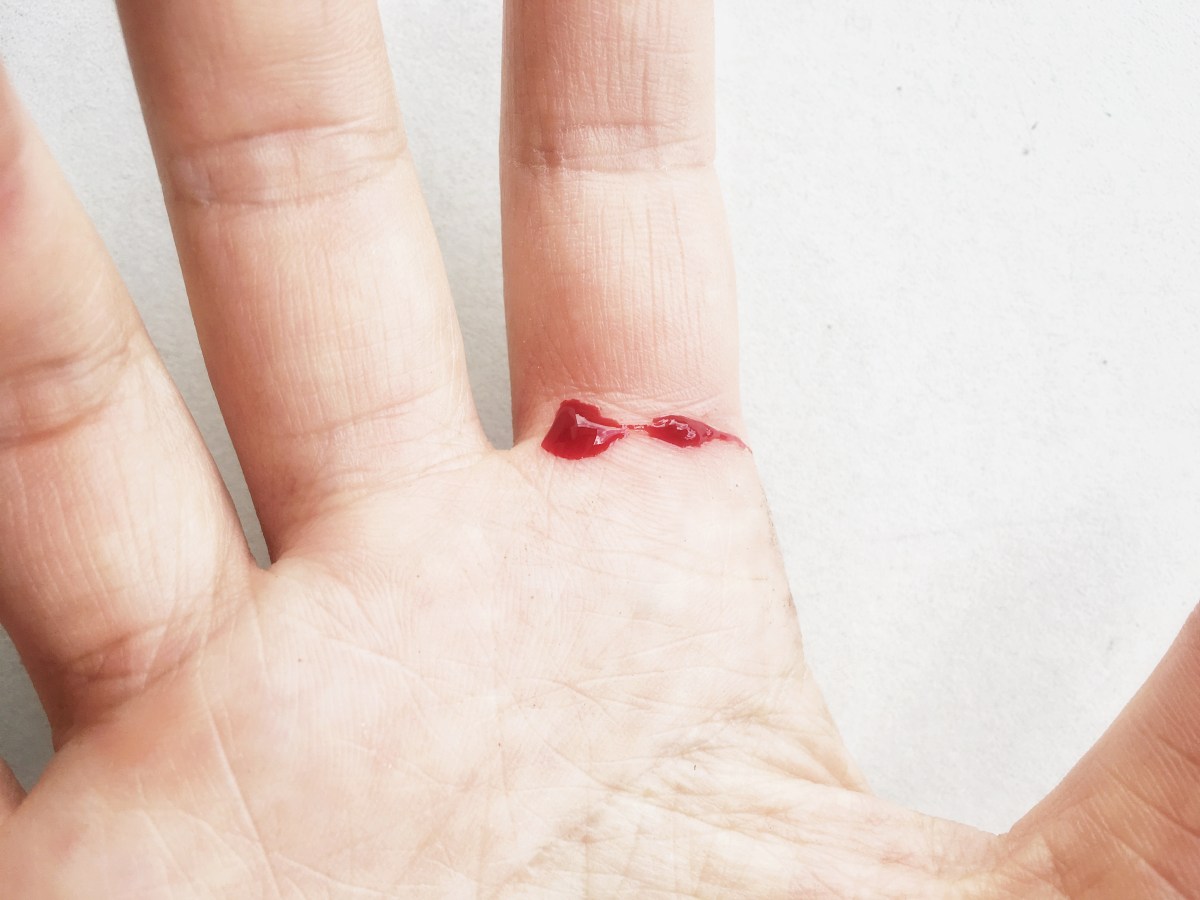
And yet, there is something that connects all of them—and all of us. It’s something I come back to when the room feels tense or distracted. I remind myself that everybody bleeds when they’re cut. It’s obvious, almost too simple, but it’s true. No matter who someone is or what they believe, they all share the same vulnerability. They all come in hoping for answers. They all feel uncertainty when something isn’t right. They all experience that quiet anxiety while waiting for results or sitting alone before I walk in. Pain doesn’t care about politics. Illness doesn’t ask about background. Hope and fear are universal. That’s the common ground I try to hold on to.
Keeping the peace in my office doesn’t mean ignoring differences. It means not letting those differences take over. If they do, they get in the way of care. My responsibility is to bring the focus back to the person in front of me and what they need in that moment. Sometimes that means gently redirecting the conversation. Sometimes it means listening without reacting. Sometimes it means allowing a moment of silence before continuing. I can’t fix the larger system from inside this exam room. I can’t make healthcare simple or fair in every way it should be. And I can’t resolve the political arguments people bring with them. But I can do something that always matters. I can make sure the person sitting in front of me feels seen. I can remind them—through how I listen and respond—that they’re not just another name on a chart. I can give them a moment where they’re treated as an individual, not as part of a category or a political debate. I can slow things down. I can explain what I know and be honest about what I don’t. I can give them space to ask questions. And sometimes, that’s enough to break through that feeling that everything is blending together. Because even if the world outside feels divided, loud, and confusing, this space can still be different. It can still be a place where people feel recognized, even if only for a short time. In here, the focus is simpler. In here, what matters most is the person in front of me—their story, their fear, their hope. And in our exam rooms, no two people are the same. This is the Last Word.
 Tarrant County Physician Online