
Project Access Tarrant County
By Kathryn Keaton
This article was originally published in the May/June 2026 issue of Tarrant County Physician.
Over the past month, much of our Project Access work did not take place at a desk.
It began at a conference hosted by Texas A&M Fort Worth where we presented alongside other professionals on the role of Medical-Legal Partnerships in addressing barriers to care. The conversation focused on collaboration and how healthcare, legal, and community-based organizations can work together more effectively to support patients navigating complex systems. PATC had the honor of presenting what we are doing to combat barriers in our session, “When Noncompliance Isn’t the Problem: Addressing SDOH in Indigent Populations.”
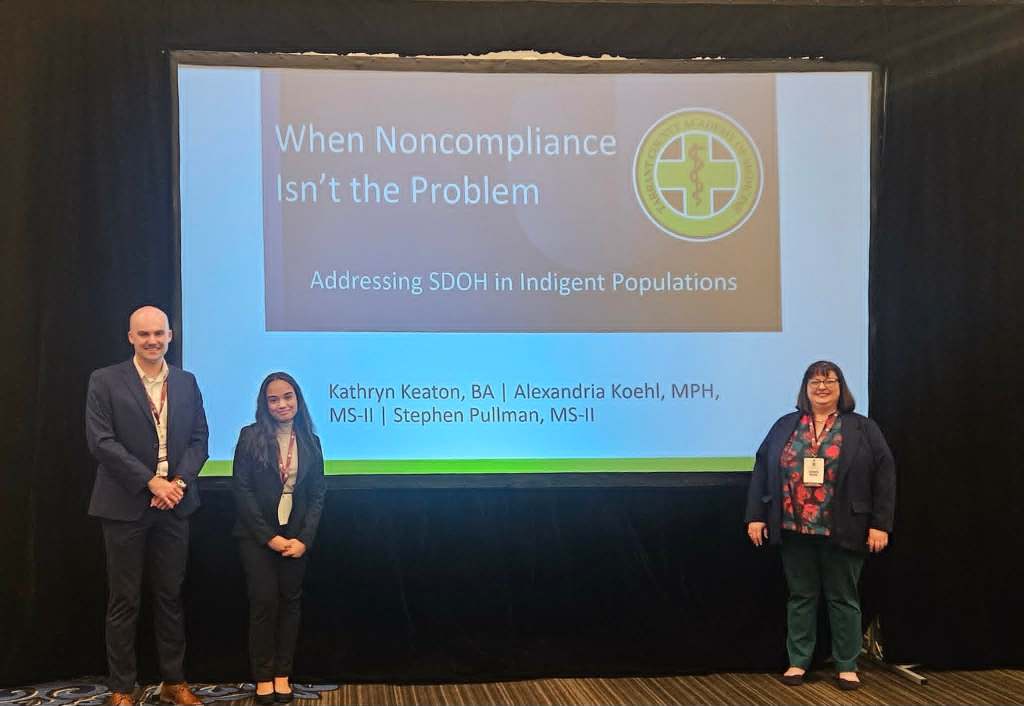
Later in the month, the setting looked very different.
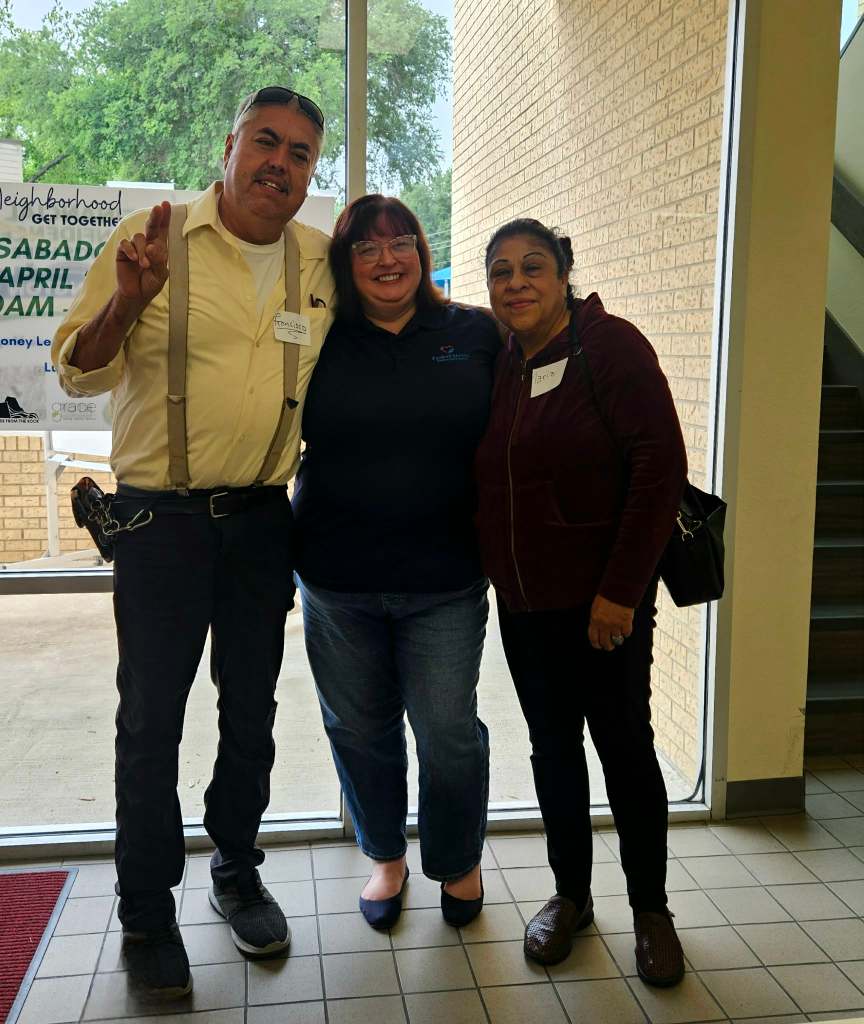
At a church gym in Arlington, a group of participants gathered for “Financial Confidence Starts Here,” a new endeavor within our Salud en tus Manos initiative. Led by a certified financial coach, the session focused on practical, real-life strategies: managing expenses, prioritizing financial obligations, and navigating the challenges that arise when a health issue disrupts income or stability.
These two settings—a professional conference and a community-based classroom—may appear unrelated. In practice, they are closely connected.
It is easy to assume that nonprofit healthcare coordination happens primarily behind the scenes through referrals, scheduling, and documentation. Those components are essential, but they represent only part of the work required to ensure that patients not only access care but are prepared to successfully complete it.

Increasingly, we are seeing that what happens outside of traditional clinical settings has a measurable impact on what happens within them.
At the conference, conversations were centered on systems and how partnerships can reduce barriers and improve access at a structural level. In the classroom, those same barriers were discussed from a different perspective: how they are experienced in daily life. Participants asked practical questions about managing bills, handling unexpected expenses, and making decisions when financial and health challenges intersect.
Together, these experiences reinforce a consistent reality: access alone is not enough.
Patients benefit from care when they are prepared to engage with it—when they understand how to communicate with their providers, how to manage the logistical and financial aspects of treatment, and how to navigate the systems surrounding their care. Building that level of readiness often happens outside the exam room.
For our volunteer physicians, this work matters.
Patients who arrive with greater confidence, clearer understanding, and fewer external barriers are better positioned for efficient, effective visits. Time can be spent on clinical decision-making rather than navigating preventable obstacles. The work happening in community and professional settings ultimately supports the care delivered in clinical ones.
For our funders, this work is equally important.
Initiatives like Salud en tus Manos continue to evolve in response to what we are seeing in the community. Expanding into teaching financial literacy through “Financial Confidence Starts Here” reflects a growing recognition that financial stability is closely tied to health outcomes. When patients are equipped with practical tools and knowledge, the impact of donated care is strengthened—appointments are kept, treatment plans are completed, and outcomes are more sustainable.
At Project Access Tarrant County, we remain committed to both.
The coordination of specialty and surgical care is and will always be central to our mission. At the same time, our work increasingly includes engagement in spaces that extend beyond traditional healthcare settings, whether through professional collaboration or direct community education.
Much of our work does happen behind the scenes.
But some of the most important work happens far beyond in conference rooms where ideas are shared, in classrooms where confidence is built, and in conversations that ensure when a patient finally sits in front of a physician, they are ready to fully engage in their care.
And that is where this work truly happens.
 Tarrant County Physician Online