Blog Feed

TCPH Announces COVID-19 Vaccine Clinics for the Week of October 8

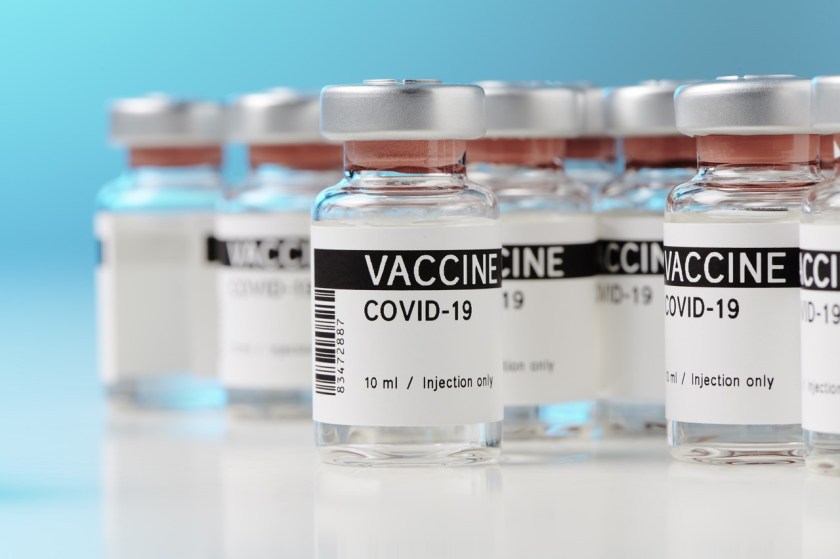
Tarrant County Public Health hosts numerous pop-up COVID-19 clinics across Tarrant County each week in partnership with public and private organizations listed below. Each site has the Moderna and Pfizer vaccines and at times the Johnson & Johnson. Children five and older are eligible for the vaccination. Parents need to bring proof of the child’s age and their own ID for the vaccination. Booster vaccinations are available at all of the vaccination locations.

  
TCPH would like to bring a COVID-19 vaccination clinic to businesses, churches and organizations in the community who are interested in hosting a pop-up clinic. It’s easy and free to host a clinic.
 
In addition to the vaccination opportunities below, the cities of Arlington, Fort Worth, Mansfield, North Richland Hills, Hurst, and Tarrant County College have also added opportunities for vaccinations. To find a local vaccine site, the County created a vaccine finder page: VaxUpTC website.

Pop-Up COVID-19 locations:

Coral Rehabilitation of Arlington
Monday, Oct.10: 12 p.m. to 4 p.m.
1112  Gibbins Road
Arlington, TX 76011

Cityview Nursing and Rehabilitation 
Wednesday, Oct.12: 9 a.m. to 1 p.m.
5801 Bryant Irvin Rd.
Benbrook,  TX 76132

Grace Metroplex
Wednesday, Oct. 12: 10 a.m. to 1 p.m.
1310 South Collard St.  
Fort Worth, TX 76105

Haltom City Public Library
Friday, Oct. 14: 11 a.m. to 3 p.m.
4809 Haltom Road  
Haltom City, TX 76117

City of Arlington
Friday, Oct. 14: 10 a.m. to 4 p.m.
2800 S Center St.  
Arlington, TX 76014

Tarrant County Public Health CIinics:

Northwest Public Health Center
Monday to Friday: 8 a.m. to 12 p.m. and 1 to 5 p.m.
3800 Adam Grubb Road
Lake Worth, TX 76135

Bagsby-Williams Health Center
Monday to Friday: 8 a.m. to 12 p.m. and 1 to 5 p.m.
3212 Miller Ave.
Fort Worth, TX 76119

Southeast Public Health Center
Monday to Friday: 9 a.m. to 12 p.m. and 1 to 6 p.m.
536 W Randol Mill
Arlington TX, 76011

Main Public Health Center
Monday to Friday: 8 a.m. to 12 p.m. and 1 to 6 p.m.
1101 S. Main Street
Fort Worth, TX 76104

Southwest Public Health Center
Monday to Friday: 8 a.m. to 12 p.m. and 1 to 5 p.m.
6551 Granbury Road
Fort Worth, TX 76133

Watauga Public Health Center
Monday to Friday: 8 a.m. to 12 p.m. and 1 to 5 p.m.
6601 Watauga Road
Watauga, TX 76148

For more information go to coronavirus.tarrantcounty.com or call the Tarrant County Public Health information line, 817-248-6299, Monday – Friday 8 a.m. to 6 p.m.

October Walk with a Doc Tomorrow

Join our local chapter of Walk with a Doc tomorrow for a fun morning walking, talking about health, and meeting people in our community.

Here is what you need to know about the event:

• It will take place on October 8, 2022

• The hour-long event will begin at 8:30am

• Walkers will start at LVTRise – 8201 Calmont Ave., Fort Worth, TX 76116 For more information, call Kate Russell, OMS-III, at 903-316-9392, or email her at KatherineRussell@my.unthsc.edu.

COVID-19 Vaccine Clinics for the Week of September 24

Tarrant County Public Health hosts numerous pop-up COVID-19 clinics across Tarrant County each week in partnership with public and private organizations listed below. Each site has the Moderna and Pfizer vaccines, and some will also have the Johnson & Johnson. Children five and older are eligible for the vaccination. Parents need to bring proof of the child’s age and their own ID for the vaccination. Booster vaccinations are available at all of the vaccination locations.

  
TCPH would like to bring a COVID-19 vaccination clinic to businesses, churches and organizations in the community who are interested in hosting a pop-up clinic. It’s easy and free to host a clinic.
 
In addition to the vaccination opportunities below, the cities of Arlington, Fort Worth, Mansfield, North Richland Hills, Hurst, and Tarrant County College have also added opportunities for vaccinations. To find a local vaccine site, the County created a vaccine finder page: VaxUpTC website.

Pop-Up COVID-19 locations:

Grand Lodge
Saturday, Sep. 24: 10 a.m. to 2 p.m.
3433 Martin Luther King Jr Freeway
Fort Worth, TX 76119

Foundation Communities  
Tuesday, Sep. 27: 12 p.m. to 4 p.m.
2020 South Cooper St.
Arlington, TX 76013

Tandy Village Assisted Living  
Wednesday, Sep. 28: 11 a.m. to 1 p.m.
2601 Tandy Ave.  
Fort Worth, TX 76103

Aging Well Expo  
Thursday, Sep. 29: 9 a.m. to 2 p.m.
1200 Ballpark Way
Arlington, TX 76011

Tarrant County Public Health CIinics:

Northwest Public Health Center
Monday to Friday: 8 a.m. to 12 p.m. and 1 to 5 p.m.
3800 Adam Grubb Road
Lake Worth, TX 76135

Bagsby-Williams Health Center
Monday to Friday: 8 a.m. to 12 p.m. and 1 to 5 p.m.
3212 Miller Ave.
Fort Worth, TX 76119

Southeast Public Health Center
Monday to Friday: 9 a.m. to 12 p.m. and 1 to 6 p.m.
536 W Randol Mill
Arlington TX, 76011

Main Public Health Center
Monday to Friday: 8 a.m. to 12 p.m. and 1 to 6 p.m.
1101 S. Main Street
Fort Worth, TX 76104

Southwest Public Health Center
Monday to Friday: 8 a.m. to 12 p.m. and 1 to 5 p.m.
6551 Granbury Road
Fort Worth, TX 76133

Watauga Public Health Center
Monday to Friday: 8 a.m. to 12 p.m. and 1 to 5 p.m.
6601 Watauga Road
Watauga, TX 76148

For more information go to coronavirus.tarrantcounty.com or call the Tarrant County Public Health information line, 817-248-6299, Monday – Friday 8 a.m. to 6 p.m.

The Last Word – Life Lessons

by Hujefa Vora, MD, Publications Committee Chair

From the Achieves: This Last Word was originally published in the September 2017 issue of the Tarrant County Physician and has been edited for clarity. You can read find the full reprint along with the rest of the content from the July/August 2022 publication here.

He was an amazing businessman.  His acumen, combined with an ability to take the required risks, helped him to build an automobile repair empire.  His smile was infectious.  With it, he instilled a fierce sense of loyalty in his employees and business partners.  And his words.  His Texan twang was musical and fierce.  He could cut a deal in seconds with a “Howdy Y’all” and then a “Sign here . . .”  That’s how he won the heart of his high school sweetheart.  He danced with her from the prom, where he was the King, all the way to the white-washed wedding chapel.  They had four children, each one more beloved than the previous, each with that same smile.  When he first came to me, I could see what they all loved in him.  Despite always being short on time, I would spend the extra few minutes just to laugh at his latest story.  I would adjust his blood pressure medication.  Somewhere along the way, I added a statin.  He did not smoke, and he had no family history.  He was doing well, and so that’s why the stroke came so unexpectedly.  Four years ago, the conditions changed.  The stroke took the entire right side of his body.  He couldn’t walk.  He couldn’t use his right hand and arm.  He was immediately wheelchair-bound.  That was not the worst of it, though.  The worst was when we found out that he had lost his voice.

The stroke hit his speech centers.  He developed an expressive aphasia.  He could understand everything that was said, but he could no longer utter a word.  The damage to Broca’s area was irreparable. His physicians concurred with this assessment.  Perhaps we thought his life was over, or at least the life he had built.  His wife’s love for him was stronger than that, though.  It was stronger than the assault on his brain and body.  She kept him in his business.  She kept him in the game.  She would take him to physical therapy to strengthen his resolve.  She took him to speech therapy and learned his language.  She brought back his smile.

She took him to work every day.  She was his voice in the meetings.  He would smile and grunt, and his empire did not crumble.  Physically, he was weak, but as a partnership, she and her husband held strong.  I remained amazed by all of this whenever I saw them in clinic.  Here was a strong man brought to his knees by a stroke that should have ended him, but instead, he flourished.  He flourished because he had a partner that stood by his side always.  Even as we did not, she understood his every unintelligible utterance, his body language, and above all else, his smile.

I am given the honor of seeing them periodically in the office.  He has had a hospitalization here and there, and she remains his constant companion.  She is his advocate.  She is his voice.  Despite everything we think we know about medical science, she has proven that he is unbreakable.

I often wonder about the intricacies of their relationship.  I wonder at his wife’s ability to understand him.  Most of all, I marvel at their resilience.  Despite overwhelmingly insurmountable odds, they have survived.

Most of all, I marvel at their resilience.  Despite overwhelmingly insurmountable odds, they have survived.

There are so many life lessons I have learned from my patients over the years.  I want to bring only one of these to all of you.  Together, we are stronger.  Despite any of our individual weaknesses, we can always give a voice to one another.  This becomes especially true in our partnerships and relationships outside of our practices.  I am a dinosaur on an island.  I am a solo internist.  How do I ensure that my voice is heard?  I can promise you that the people in Austin and Washington think they know what it is I need and I want.  They think they know what we are saying.  They think that they can fix medicine.  Meanwhile, we think that they are listening to us.  We believe that our intelligence and our charisma will carry the day.  This is in fact our greatest strength and our greatest weakness.  We know we have the answers on how to fix healthcare.  I know this to be a fact.  My fellow physicians, I have heard all of you loud and clear over the past several months.  I have had amazing conversations.  I have gained so much insight into my own difficulties in medical practice, and I have come to a better understanding of so many of the difficulties many of you face in your day to day.  Some of these discussions have led to even deeper insights . . . But there is the rub.  How will we get to action?  Action requires us to understand our greatest weakness.  We help others all day long, and even though we think we have all of the answers, we are unable to really express them.  We too have a form of Broca’s aphasia.  I would assert that we need a partnership to make absolutely certain our voice is heard.  I believe the partner that binds us all together is the Tarrant County Medical Society, in conjunction with the Texas Medical Association.  Many of you have expressed your inability to completely agree with this.  We don’t always agree with our partners 100 percent of the time.  (Don’t tell my wife this!)  Moreover, we need a partner and an advocate that speaks our language and understands us.

Maybe I’m just preaching to the choir.  In the end, we will all need to continue to work together, not individually . . . We must come together and make sure that our voice is heard loud and clear . . . They will hear us.  Kumbaya.  My name is Hujefa Vora, and this is our Last Word.

5th Annual Ralph J. Anderson, MD Women’s Health Symposium

The 5th Annual Ralph J. Anderson, MD Women’s Health Symposium will showcase the advances made in women’s health care in both Tarrant and Dallas Counties. It was created to honor Dr. Anderson, who dedicated a large portion of his career to the education of health care professionals in the field of obstetrics and gynecology. For more than 20 years Dr. Anderson developed, moderated, and oversaw a yearly large educational symposium to ensure that practicing health care professionals continued their education to improve patient care and patient outcomes.

Registration

You can register for the symposium here.

Learning Objectives

Upon completion of this activity, learners will be able to:

  • Define two strategies to improve health outcomes of women in DFW metroplex;
  • Diagnose and define uncomplicated vaginitides using evidence-based methodology;
  • Define maternal morbidity and mortality related to Placenta Accreta Spectrum Disorder;
  • Describe the current burden of substance use disorders (SUD) women experience in the US; and
  • Identify key points of progress in our understanding of human trafficking and healthcare responses for readying its workforce.

Topics Covered

At the Women’s Health Symposium you will learn from distinguished leaders in the field of women’s health on such topics as:

  • Placenta Accreta
  • Advances in New Born Care & Breastfeeding
  • Palliative Medicine
  • Overactive Bladder
  • Fetal Surgery Innovations
  • Adolescent Health
  • Trafficking and Opioid Abuse

Price for Virtual Attendees

Registration fee: $120

Who Should Attend

Physicians, physician assistants, nurse practitioners, certified nurse midwives, nurses and social workers caring for women will all find something of practical value at the 2022 Women’s Health Symposium.

Join TMA’s 2022 Fall Conference This Weekend

TMA’s annual Fall Conference will be held this weekend in Austin, TX! Register now to join the event, where you will have the opportunity to network with other physician, conduct TMA business, and go to CMEs and lectures centered around top healthcare issues and interests.

Here are the details:

When: September 16-17, 2022

Hotel: Hyatt Regency Lost Pines Resort and Spa

Parking Information: Daily self-parking is $12.00 for attendees and hotel guests. Guests not staying overnight can pick up a voucher at the TMA registration desk. Overnight valet parking is $38 plus tax, no in/out privileges.

Agenda

FRIDAY, SEPTEMBER 16

  • 7:30am – 7:30pm Registration Hours
  • 1:00 – 5:00pm Exhibits, Lost Pines Ballroom Foyer
  • Many boards, councils, and committees hold business meetings in conjunction with Fall Conference.

SATURDAY, SEPTEMBER 17

  • 6:30 – 12:30am Registration Hours
  • 7:00-noon Exhibit Hours
  • 7:30-8:30am Dawn Duster, Lost Pines Ballroom 57:30-8:30 am Networking Breakfast and Exhibits, Lost Pines Ballroom Foyer9-11:45 am General Session, Lost Pines Ballroom 5
    9-9:30 am Welcome and TMA Update
  • 9:30-10:30 am Take Charge of Your Career: Harness the Power of Negotiation (CME)
  • 10:30-10:45 am Break and Exhibits
  • 10:45-11:45 am Legislative Panel (CME) Hear from our physician legislators with a recap of the 87th Legislative Session and what to expect from the special session next month.

You can view the full schedule here.

Medicine on the Road

by Sebastian Meza, OMS-I

This article was originally published in the July/August 2022 issue of the Tarrant County Physician. You can read find the full magazine here.

Texas is suffering a healthcare crisis from a lack of practicing physicians. This fact is even graver in rural communities, where the nearest hospital might be a couple of hours away. It is time that we take medical care closer to these vulnerable patients, and that is where mobile healthcare clinics can offer an efficient solution.

As a first-year medical student at the Texas College of Osteopathic medicine, I was fortunate enough to serve with the Pediatric Mobile Clinic at the Health Science Center. To picture this mobile clinic, you must imagine a bus or RV that has been transformed into a fully functional pediatric clinic. It might seem like there would not be much space in the mobile unit, but it is fully equipped to perform many medical services. The unit carries out vaccination drives, full screen wellness check-ups, sports physicals, and much more. It is a small glimpse into the future of medicine.

Looking back at my very first day serving as a student doctor, I did not know the extent of what the pediatric mobile clinic could do. My first patient came in and presented with learning difficulties, café au lait spots, and some vision problems. It was an enormous surprise to find myself examining a possible case of neurofibromatosis, a rare disease that we had covered just a few days prior. I left that day thinking about how this child would not have been able to receive care or be referred to a specialist if the Pediatric Mobile Clinic had not shown up at his school. I felt grateful and fortunate to have been there to serve the children of our Fort Worth community.

It was not until I had a chance to serve in this mobile unit that I realized that this concept was a great solution for Texas’ rural communities. Mobile clinics bring medical services to areas that are hours away from major cities with large medical centers. These clinics are easily adaptable and can be transformed to house many different kinds of practices. They operate much like a regular clinic; patients can look up when the mobile clinic will be near them and then schedule appointments online. Primary care practices can take full advantage of transforming and adapting the mobile units to serve a specific patient population. 

For example, mobile clinics can directly help many underserved communities by being closer to patients, which saves time and transportation costs that can often be barriers to seeking treatment. Mobile health clinics do require an initial capital expense for institutions and hospitals. However, they bring in enough revenue to cover their own costs, they draw patients into the sphere of the base clinic or the hospital, and they help keep our community healthier. 

I did not expect to feel so strongly about the concept of mobile healthcare clinics when I first set foot onto that crowded bus, but it is impossible not to recognize how efficient it is to have mobile clinics at our major schools and hospital institutions, as well as in rural communities. These mobile clinics should be part of our vision for the future of healthcare. It is time to advocate for more mobile clinics on our Fort Worth roads!

Second Chances

A Project Access Tarrant County Patient Spotlight

By Allison Howard

“Julia” was always worried – having a hernia so severe that it’s challenging to even walk does that to you. As is so often the case, the impact extended far beyond the pain she experienced daily – it cost the 40-year-old her freedom, her job, and her joy.

Before she was suffering with the inguinal and umbilical hernia, she worked alongside her husband of 18 years to clean apartments. It was a good job that allowed them to take care of their three children. But when she had to stop working, it put a financial strain on the family. So much so that instead of enjoying their summer vacation, Julia’s children wanted to work alongside their father.

“They always wanted to help,” she says. “Which was sad to see because they were not spending their time like normal kids would.”

Getting help was difficult, though. Julia and her husband did not have medical insurance and paying for surgery out of pocket was impossible. She was stuck, and the impact was more than physical and financial.

“My mood was always negative – I was always angry or frustrated because I was in pain,” Julia says. “I was also worried that we would lose our house and worried about my illness. I had to start being extra careful with what I did – I was always worried something would happen to me.”

As these problems continued to build, Julia realized she needed to do something. She went to Mission Arlington to see if they could help her. The doctor who saw her realized that Julia needed surgery, so they took the next step toward getting her the help she desperately needed – they referred her to Project Access.

She was enrolled in the program and connected to Dr. Mohamad Saad, a Project Access volunteer, who agreed that she needed surgical intervention. He performed the hernia repair surgery at Texas Health Arlington Memorial Hospital, and anesthesia was provided by USAP – Arlington Division.

Since having the surgery, Julia’s life has turned around. She can now “walk freely” – because she is entirely without pain. And just as she was impacted physically, the emotional healing has changed her life. Her mood is uplifted, and she is able to look at her children and their future with hope rather than fear.

Julia is grateful for Dr. Saad for providing this critical service for her, but her appreciation for him goes beyond that. “He is a very good doctor – very kind . . . He is also very funny; he was always making me laugh and making me feel better.”

Looking back at where her life was before the surgery, and the healing she has since experienced, Julia is grateful for everyone who participated in her care.

“I can’t express with words how thankful I am for everyone and their help,” she says. “God bless you all for all the of the hard work that you all put in to help me.”

Behavioral Health to Combat Physician Burnout

By Sofia Olsson, MS-I, and Anand Singh, MS-I

This article was originally published in the July/August 2022 issue of the Tarrant County Physician. You can read find the full magazine here.

Burnout is not a new term for physicians. In fact, prior to the pandemic, an online survey conducted by the American Medical Association in January 2020 found that there was an overall physician burnout rate of 46 percent.1 Unfortunately, the pandemic has exacerbated burnout for physicians due to a multitude of unprecedented factors. Burnout can be defined by three main symptoms: exhaustion, depersonalization, and lack of efficacy.2 Physicians may exhibit harmful behaviors as coping methods in response to burnout, so it is important to acknowledge behavioral health as it addresses how individuals’ daily habits and actions impact their mental and physical health. As two medical students, we founded Behaviors Supporting Mental Health (BSMH) to raise awareness surrounding behavioral health for all individuals. For our current campaign, we are focusing on physicians’ response to burnout. Through BSMH, we hope to provide resources for physicians to address their behavioral health and reduce or prevent burnout.

Continuous refinement of our daily habits, actions, and behaviors leads to better
mental and physical health. 

First, though, we want to acknowledge the prevalence of burnout and what factors are contributing to this phenomenon. According to research conducted by the Agency for Healthcare Research and Quality, the cause of physician burnout is multifactorial.3 The study found that some of the main causes of physician burnout are tied to physicians having to balance family responsibilities, work under time pressure, deal with a chaotic work environment, have a low control of pace, and implement electronic health records.3 Unfortunately, physician burnout has been linked to consequences such as lower quality of patient satisfaction and care, physician alcohol and drug abuse, and even physician suicide.2 Therefore, addressing physician burnout and combatting unhealthy behaviors are critical for physicians themselves as well as for the patients they serve.

The activities physicians partake in can impact their risk for burnout, so assessment of one’s behavioral health is important regardless of current mental health. Several coping strategies, such as making an action plan, taking a time out, or having discussions with colleagues, have been correlated with a lower frequency of emotional exhaustion in physicians.4 On the other hand, keeping stress to oneself has been associated with a greater frequency of emotional exhaustion.4 After making note of behaviors and identifying their purpose, one can decide whether these actions should be eliminated, continued, or supplemented.5 Changing behaviors, however, is easier said than done. Since useful coping skills are not “one size fits all,” BSMH aims to provide resources that help physicians build a toolkit of ways to improve their behavioral health. For example, the app Provider Resilience, designed by the Defense Health Agency, functions as a method to keep physicians motivated and hold them accountable in their behavioral health.6 The QR code shown is a link to the BSMH website (https://tinyurl.com/bsmhproject), which includes further resources tailored to prevent or relieve burnout in physicians. Our contact information can also be found here for anyone with questions or a desire to collaborate.

Continuous refinement of our daily habits, actions, and behaviors leads to better mental and physical health. Regardless of the extent of a physician’s burnout, addressing behavioral health is always a necessity. Intentional actions impact one’s identity as a physician and any other role they have outside the clinic. Transitioning one’s behavioral health from passive to intentional can improve one’s ability to balance familial responsibilities, work under pressure, and deal with a chaotic work environment.2 This puts physicians in control of their behaviors and decreases their risk for substance abuse and suicide while improving the quality of patient care.7,8 Meaningful reflection and continuous behavioral health improvement creates a healthier mindset that allows physicians to better care for their patients and themselves.  

References

1. Berg S. Physician burnout: Which medical specialties feel the most stress. American Medical Association. https://www.ama-assn.org/practice-management/physician-health/physician-burnout-which-medical-specialties-feel-most-stress. Published January 21, 2020. Accessed May 18, 2022. 

2. Drummond D. Physician Burnout: Its Origin, Symptoms, and Five Main Causes. Fam Pract Manag. 2015;22(5):42-47.

3. Physician Burnout. Content last reviewed July 2017. Agency for Healthcare Research and Quality, Rockville, MD. https://www.ahrq.gov/prevention/clinician/ahrq-works/burnout/index.html      

4. Lemaire JB, Wallace JE. Not all coping strategies are created equal: a mixed methods study exploring physicians’ self reported coping strategies. BMC Health Serv Res. 2010;10:208. Published 2010 Jul 14. doi:10.1186/1472-6963-10-208

5. Hem, Marit Helene, et al. “The Significance of Ethics Reflection Groups in Mental Health Care: A FOCUS Group Study among Health Care Professionals.” BMC Medical Ethics, vol. 19, no. 1, 2018, https://doi.org/10.1186/s12910-018-0297-y. 

6. Provider Resilience. Version 2.0.1. National Center for Telehealth & Technology. 2021.

7. Harvey, Samuel B, et al. “Mental Illness and Suicide among Physicians.” The Lancet, vol. 398, no. 10303, 2021, pp. 920–930., https://doi.org/10.1016/s0140-6736(21)01596-8. 

8. Panagioti M, Geraghty K, Johnson J, et al. Association Between Physician Burnout and Patient Safety, Professionalism, and Patient Satisfaction: A Systematic Review and Meta-analysis. JAMA Intern Med. 2018;178(10):1317–1331. doi:10.1001/jamainternmed.2018.3713

Design a site like this with WordPress.com
Get started