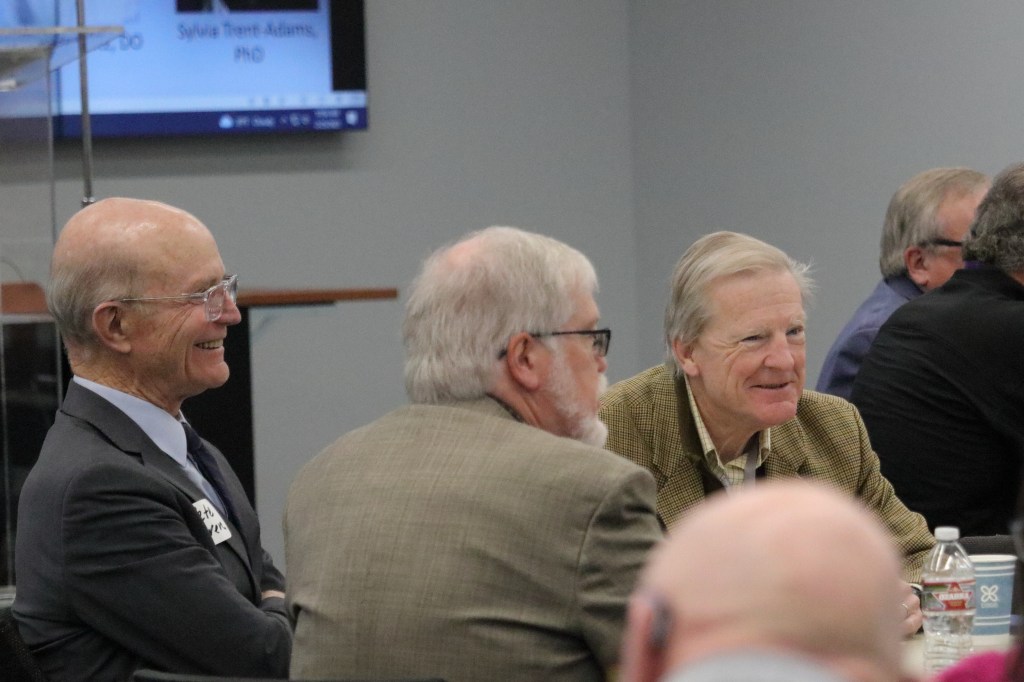
TCMS Committees and Programs Review: Find Your Passion and Join Us in Making a Difference in Medicine

Feature Article

By TCMS Staff

This article was originally published in the January/February 2026 issue of  Tarrant County Physician.

There are a variety of reasons that doctors choose to join TCMS; usually, new members will point to one defining thing that encouraged them to get involved. Perhaps they view our advocacy as critical, or they believe that we provide important networking opportunities. Maybe they wanted help with billing or more extensive chances for leadership roles. But whatever reason brought them here, when doctors choose to actively participate in the society, they find there are many more reasons to be part of TCMS than the one that drew them in the first place.

So here is our committees and programs review, your chance to learn of the opportunities that lie before you. We have a number of specialty committees and programs you can participate in, and we encourage you to join the one you find most compelling to use it as a springboard for upping your impact on medicine.

Allied Health Scholarship Committee
TCMS and its members, in partnership with TCMS Alliance, have an exciting opportunity to support the education access of allied health students through the Allied Health Scholarship Committee. This committee awards scholarships to qualified undergraduate students in Tarrant County who are actively enrolled in allied health training programs. It meets three times a year to discuss the applications received, choose the preliminary interviewers, interview the chosen candidates, and then decide on what amount is given to each final scholarship recipient. A student is also chosen to receive the Murphy Award—the largest monetary amount of all the scholarships offered—named after the donor, James A. Murphy, MD.

In 2025, the committee awarded $49,400 to students based on financial need and scholastic achievement. This was divided between 17 students from four different Tarrant County colleges and universities—all of whom we believe will make a big impact on the patients of Tarrant County with their future careers! We look forward to 2026 and the opportunity to meet and connect with even more schools, shaping the future for allied health students in our county. To get involved or get more information, contact Melody Briggs at mbriggs@tcms.org.

Board of Advisors
Each month, our executive committee meets to discuss the highlights of the healthcare community, the progress on TCMS projects, and goals for the future. When you participate with the Board of Advisors, you have a chance to get a full picture of TCMS and its role in Tarrant County, including its partnership with public health, emergency services, medical schools, residency training programs, charitable organizations, and local community leaders. This gives you a front-row seat in the efforts made to advocate on behalf of physicians
This monthly gathering is open to member physicians, residents, students, and other healthcare personnel. For more information on attending, email Melody Briggs at mbriggs@tcms.org.

Ethics Consortium
The Ethics Consortium meets monthly and is a diverse, non-partisan group of people interested in healthcare and ethics. Its mission is to improve the health and well-being of the diverse communities that make up North Texas by assisting in the application of ethical values to current healthcare issues through educational programming and advocacy efforts that encourage civil conversation and dialogue.

Healthcare in a Civil Society is an annual forum that seeks to engage leaders of varying perspectives in a civil conversation that focuses on the healthcare issues that are important to our community and is devoid of the rhetoric that often undermines these conversations in the media. This year’s event focuses on caring for the whole patient and takes a close look at where spirituality and the delivery of care intersect. The event will include a breakout session for audience participation and engagement and a panel discussion featuring leaders from various sectors to further the conversation. If you are interested in joining or would like more information on the Ethics Consortium, call TCMS at (817) 732-2825.

Legislative Committee
The Legislative Committee works to build the critical relationships necessary for effective medical advocacy. Though the committee certainly participates in the First Tuesdays at the Capitol events during the legislative session, it is also committed to fostering relationships with legislators and educating them on the issues year-round. In addition, for physicians who would like to get involved but feel unsure about talking to legislators themselves, it’s a great opportunity to build the knowledge and skillset to be a powerful advocate on behalf of your patients and your practice. You are surrounded by expert advocates! Members of the committee also make up a ready response team for issues that may arise between sessions, allowing TCMS to quickly navigate legislative challenges. For more information about the Legislative Committee and its goals, contact Brian Swift at bswift@tcms.org.

Committee on Physician Health and Wellness
The TCMS Committee on Physician Health and Wellness (PHW) promotes the health and well-being of physicians, recognizing that physicians are at least as vulnerable, if not more, to issues of substance abuse (including alcoholism) and mental disorders as their patients. The committee supports the early recognition, evaluation, and treatment of physicians with these conditions, and their monitored recovery. As part of this, the committee supports the work and activities of the Texas Physician Health Program and the Texas Medical Board.
The function of the PHW Committee is three-fold: 1) to promote physician health and well-being; 2) to ensure safe patient care by identifying physicians who may have potentially impairing conditions; and 3) to advocate for physicians while maintaining confidentiality and the highest ethical standards.

As advocates, the committee members help with interventions, referrals for evaluation and treatment, if necessary, and monitor attendees upon their return from treatment. It supports widespread education for physicians, family members, and support staff regarding possible impairments.

Through the TMA PHW Assistance Fund, financial assistance is available to physicians who cannot afford treatment for depression, chemical dependency, or other problems or whose families need short-term living expenses while a physician receives treatment. Donations to the fund are appreciated and are tax-deductible.

Our local committee consists of physicians who have special interest and experience in supporting those who are struggling, and it is available to consult with individuals and institutions locally that have questions or problems in this area. For more information about how you can participate or receive assistance, contact Kathryn Keaton at kkeaton@tcms.org.

Project Access Tarrant County
Project Access was formed in 2011 to facilitate surgical and specialty care to low-income, uninsured residents of Tarrant County who do not qualify for county or other resources. Since then, PATC has coordinated over $22 million in donated healthcare services, helping thousands of patients access life-changing and life-saving treatment.

Physician volunteers partner with PATC by seeing a limited number of patients in the comfort of their own office and in the course of their normal clinic day. Volunteers determine how many patients they are able to accept each year, and surgery is scheduled at facilities where volunteers have existing privileges. All care coordination including hospital and ancillary services is provided by Project Access staff so the physicians can focus on providing care.

PATC’s highest areas of need are general surgery, breast surgery, gynecology, orthopedic surgery (hips and knees), and pulmonology; although all specialties are always welcome. By volunteering with PATC, physicians play a critical role in improving health outcomes for patients who would otherwise go without care, while strengthening the health and well-being of our local community.
You are invited to learn more about how your expertise can make a meaningful difference—on your terms, within your existing practice, and with full support from the experienced PATC team. To learn more, contact Kathryn Keaton at kkeaton@tcms.org.

Publications Committee
The Publications Committee meets bimonthly to review submissions for TCMS’s journal, the Tarrant County Physician. All TCMS members are welcome to submit articles for consideration. The committee is devoted to selecting content that is meaningful to our readers—the medical community throughout Tarrant County.

We are incredibly grateful not only for our bimonthly authors, but also for those who write feature articles. From topics spanning the practice of medicine and legislative issues to anecdotes about historical figures and unique excursions, many TCMS members have shared their interests through articles that were published in the journal. The committee members give a resounding “Thank you!” to all contributors, and they have two requests: send in more submissions and consider joining the committee. The only way the journal can successfully represent all TCMS physicians is if members from different backgrounds and experiences write about the things that are meaningful to them, and joining the team that reviews content allows you to augment the voice of your fellow physicians in a powerful way. If you are interested in joining the Publications Committee or submitting an article for review, please contact Allison Hunter at editor@tcms.org.

Women in Medicine Committee
The TCMS Women in Medicine Committee’s goal is to promote networking and collegiality and present ideas and solutions for issues specifically affecting female physicians in Tarrant County. Now several years into its formation, the committee’s events have provided platforms for empowering and educational speakers, round tables, and CMEs. And from time to time, mixers, soap making, and yoga have made the itinerary! To join the think-tank behind these events, contact Brian Swift at bswift@tcms.org.

We hope you found one or more groups that grabbed your attention. And if you’re still unsure, don’t worry! Click this link, mark the topics you find interesting, and we will send you more information about committees or programs where you can make a difference doing the things you care about.

Mental Health in Medicine: A Call to Lead

President’s Paragraph

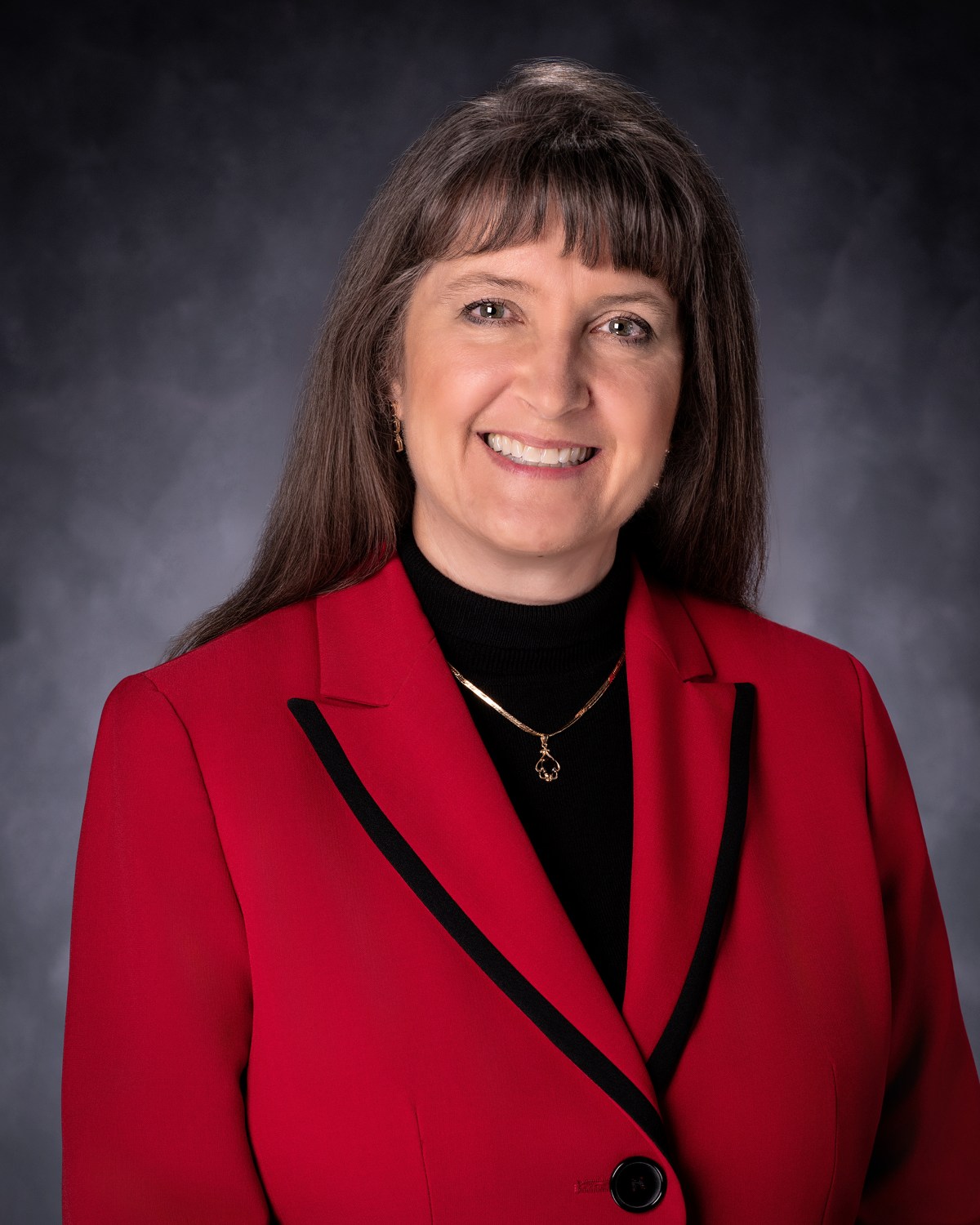
By Cheryl Hurd, MD, TCMS President

This article was originally published in the January/February 2026 issue of  Tarrant County Physician.

Hello everyone, my name is Cheryl Hurd, and it is my honor and privilege to serve as the 2026 TCMS president. I am a psychiatrist who has been in active practice for nearly twenty-five years, but I have also been a medical educator for the majority of that time. (I am also an English Lit major, so the “President’s Paragraph” is likely to become much longer than a paragraph. . . .) I want to thank the many presidents before me who have written articles and stories that have amused, enlightened, and inspired me. I admire the passion (and compassion) as well as the courage of my predecessors. I can only hope to aspire to the same level of dedication to my theme as they did to theirs.

My mission has always been to provide the highest quality and evidenced-based care to patients while training the next generation of physicians in best practices. Easy buzzwords to write, but they’re sincere nonetheless. As a psychiatrist, mental health is at the forefront of my mind. Mental health has long been marginalized, treated as secondary to physical illness, and burdened by stigma. Yet the evidence is clear: Mental health is inseparable from overall health, and its neglect undermines our patients, our communities, and ourselves.

I have chosen to make mental health advocacy the defining theme of my tenure. This is not just a matter of professional responsibility; it is a moral imperative. TCMS should be among those leading the way in ensuring that mental health is recognized as a cornerstone of care in this county and throughout the great state of Texas.

Millions of people struggle with depression, anxiety, trauma, and substance misuse; this includes us as physicians. Suicide remains a leading cause of death among young people, and burnout continues to erode the well-being of healthcare professionals. We still lose as many as 400 attending physicians to suicide a year.1 Residents and medical students are facing the same challenges. These realities are not just statistics—they are the lived experiences of our patients, colleagues, families, and ourselves.

The pandemic further exposed the fragility of our mental health infrastructure. The sequelae of the pandemic included an explosion in mental health disorders across our country. Demand for services surged, yet access remained uneven despite the adoption of telepsychiatry. Rural communities, marginalized populations, and children bore disproportionate burdens. I was president of the medical staff at JPS from the beginning through the height of the pandemic, and I saw firsthand the devastation that was wrought on the physical and mental well-being of the healthcare workforce. My most important service as medical staff president during that time was to bolster our physicians and other providers, provide resources, give updates, and instill hope when despair seemed to overwhelm us. The infrastructure could not meet the demands, and it often still doesn’t.

So, I would like to focus on expanding equitable access to care for all; integrating mental health into primary care, schools, and workplaces; and leading a conversational shift that normalizes open discussions about mental health across our practices and communities. Through advocacy we can advance reforms that treat mental health with the same seriousness as physical illness, expand the workforce with training and support for all physicians (not just mandate PHQ-9 and GAD-7 questionnaires at every visit), strengthen school partnerships to provide early intervention, invest in community clinics, expand telehealth to close gaps in underserved areas, and promote research and innovation that drive evidence‑based solutions.

As physicians, we still carry unique credibility in shaping public discourse. When we speak openly about mental health—whether in clinical settings, community forums, policy debates, or even podcasts—we dismantle stigma and inspire change.

We must also look inward. Physician burnout and moral distress remain pressing concerns that negatively impact physician well-being. By prioritizing mental health within our own profession, we model resilience and compassion for the broader healthcare system. TMA, our state medical association, has developed many resources in service of our members for these very issues. Many county societies have done the same, as have we at TCMS. I encourage everyone to visit the Physician Wellness website and learn more about our efforts: https://www.tcam.org/physician-wellness.

I know that I am asking a lot of all of you, and it won’t be easy. There are many financial constraints and competing interests that limit the expansion of services. We have a workforce shortage that hinders access, and the stigma of mental illness persists (particularly when it is related to substance use disorders). Differences in healthcare policies and funding priorities can complicate efforts to expand mental health services, but collaboration can help bridge these divides. These challenges are not insurmountable. With advocacy, innovation, and determination, we can overcome them.

Mental health is about people. It is about the child struggling with anxiety, the veteran coping with trauma, the parent balancing stress, and the physician facing burnout. By focusing on mental health, we confirm that every individual’s well-being matters.

As president of our medical society, I call upon each of you—physicians, educators, researchers, and advocates—to join me in this work. Together, we can elevate mental health, ensuring that it is recognized as a fundamental component of healthiness and a shared responsibility of the medical community.

“What mental health needs is more sunlight, more candor, and more unashamed conversation.” —Glenn Close

References:

  1. John Matheson, “Physician Suicide,” American College of Emergency Physicians https://www.acep.org/life-as-a-physician/wellness/wellness/wellness-week-articles/physician-suicide#:~:text=Each%20year%20in%20the%20U.S.,and%20alcohol%20and%20substance%20abuse;.

2026 Tarrant County Medical Society President Cheryl L. Hurd, MD

Feature Article

By Allison Howard Hunter

This article was originally published in the January/February 2026 issue of  Tarrant County Physician.

Dr. Cheryl Hurd, a psychiatrist committed to both clinical care and medical education, believes that organized medicine is the foundation that supports every other part of medical practice. But she’ll be the first to admit that she didn’t realize its importance early on.

“I was a student member of TMA, but I never did anything,” she says. The same was true during her residency in Arizona. But after years of participation, Dr. Hurd’s advice for medical students and residents is simple: Don’t just join—get involved.

When she returned to Texas and entered private practice, it was as the only psychiatrist in her medical group. Feeling alone, she rejoined TMA and immediately found connection in colleagues, committees, and a whole psychiatry track of support she didn’t know she was missing. “The camaraderie was huge,” she says. “I finally didn’t feel like the only one.”

Dr. Hurd’s involvement in organized medicine also offered practical benefits: TMLT insurance, CME funding, and—most importantly—the chance to advocate. Advocacy, she says, is what allows physicians to push back against excessive regulation, protect physician-led teams, and fight for the future of the profession.

She’s candid about the challenges physicians face. “Healthcare is regulated more than almost any other industry,” she says. Yet advocacy has delivered real wins: tort reform, increased medical education funding, and—critically for her field—expanded mental health funding in Texas even during budget-cut years.
“That’s why advocacy matters,” she says. “It protects us, it protects our patients, and it keeps our profession alive.”

And, as she found, those who advocate for you also have your back at the toughest of times, sometimes in ways that are less obvious than legislative wins. In 2020, when physicians were on the front lines of the COVID-19 pandemic and PPE was scarce, putting healthcare professionals at greater risk, Dr. Hurd was surprised to receive a box from TCMS.

“I opened it up and it was five hundred N-95 masks,” she says. “Just this whole box of N-95s. And then there was an email. It was from TCMS, saying, ‘Hey, we’re trying to help you.’ And they sent it to every single member; they sent every member a box because they wanted to protect us.”

Dr. Hurd credits that support as the reason she got even more involved, leading to her serving as our 2026 TCMS president. She saw in TCMS a reflection of her own ideals—a mission to care for patients, physicians, and the physician-patient relationship.

But it is the physicians like Dr. Hurd who give our medical society its heart, inform its values, and guide its vision.

“Dr. Hurd is the intelligent and compassionate doctor that you would wish to take care of your dearest loved ones,” says Helene Alphonso, DO, a friend and mentee of Dr. Hurd. “As a mentor, she nurtures lifelong learning at every level of medical education. She advocates for her patients and fellow physicians with countless hours and innovative solutions. . . . We can’t wait to see how her leadership in the Tarrant County Medical Society will shape the future.”


Though Dr. Hurd is now passionate about all things medicine, growing up, she did not want to be a doctor—or a teacher or a dancer or even a veterinarian (though she does have a major love for animals). No—at six years old, Dr. Hurd was determined that she was going to be a lawyer. She held on to this dream all the way through college, where she earned both a bachelor’s and a master’s degree in English from SMU, still convinced that law school was her next step.

It was during those years of study that Dr. Hurd met her husband, Howard. They had a good plan: he would go to medical school, and she would go to law school. Still, she decided to defer for a year because his education was taking him to Houston, while Dr. Hurd’s was taking her to Austin. As newlyweds, this separation was hardly appealing, and with law school only taking three years against medical school’s four, the choice was easy for her to make.

Dr. Hurd had planned to work in editing or proofreading for the year, but with a competitive job market and no connections in a new city, she had a frustrating lack of success. One day, she asked her husband if she could join him for his classes to give her something to focus on aside from the unfriendly job market, so he brought her along. She was immediately enthralled.

“A couple of weeks into his school, and I’m sitting there in the classroom taking more notes than he is,” Dr. Hurd says, laughing. “And I just thought, ‘Wow—this is fascinating. Why did I never study this?’”

Quickly, her decision was made—medicine was her future. In a short time, a passion grew into something she knew would sustain her in the years ahead.
Dr. Hurd and her husband were both accepted to Texas Tech’s School of Medicine, so they made the move to Lubbock. A couple of years later, Howard matched to a general surgery residency in Temple, Texas, so she transferred to A&M College of Medicine to complete her clinical rotations. When she graduated in 1998, she began her psychiatry internship at Good Samaritan Regional Medical Center in Phoenix, Arizona. Her training was unique—a joint internal medicine and psychiatry program that allowed her to combine the specialties that most interested her.

After her internship and four years of residency, Dr. Hurd was more than ready to begin practicing as a fully qualified psychiatrist. She and her husband knew they wanted to come back to Texas—the question was simply where they would land. Having their friends and family here was a huge draw for the young couple, but they were also motivated by positive legislation for medicine.

“With tort reform in 2003—that’s when I graduated residency—I was thinking it would really be nice to not have escalating malpractice costs,” Dr. Hurd says. “They’d still get money if I actually did something wrong, but the goal was that all the frivolous lawsuits would go away. And by and large, they have.”

They settled in Brownwood, Texas, where Dr. Hurd set up a psychiatry solo-practice collaborating with a larger organization of specialists. She was the only psychiatrist in the area, and she also consulted at the county hospital. At first this kept Dr. Hurd quite busy, but her practice slowed down after the financial crash of 2008. Soon she moved to Fort Worth, where she joined UNT Health Science Center and UNT Health, although her clinical assignment was at JPS. She later transitioned to Acclaim Physician Group when it was formed, and she stayed there until 2022. Throughout that time, her role grew from serving as the consult medical director to being the psychiatry program director and vice chair of education.

Though she was involved in education through TCOM and JPS, she maintained an active full-time practice. However, when she began serving as TCU Burnett School of Medicine’s psychiatry clerkship director, she stepped back from her role at JPS and joined Connections Wellness in a part-time role.

“At Connections Wellness, I still have a clinical job where I see patients and precept students,” says Dr. Hurd. “And then I had my role as psychiatry clerkship director. I do the behavioral health year-one lectures, clinical skills, and things like that. So, I’m all things psychiatry at the School of Medicine.”

Though Dr. Hurd treasures her role within medical education, she did not seek it in the early days of her career. When opportunities first arose in education, she turned them down in favor of focusing on her clinical practice.

“I thought, ‘No, I’m just going to go out and save the world one patient at a time,’” she remembers. “‘I’ll do clinic and just be a doctor, be a practicing physician. That’s what I was trained for.’ When I started at JPS, I just thought I’d be a psych consultant like I was at the county hospital down in Brownwood. So, I show up, do my orientation, and they’re like, ‘Here’s your team.’

“I went, ‘Team? What team?’ I had a resident, I had an intern, I had students. I just tried to base my precepting on some of the best preceptors I’ve had in my training. So that’s how I got involved and learned that I really loved it.”

Much like her discovery of medicine, Dr. Hurd considers this unexpected assignment another act of serendipity—one that was to her benefit, as it was (and is) for the many residents and medical students who have been under her tutelage.

Her colleague, Debra Atkisson, MD, has seen Dr. Hurd make a big impact both in education and practice throughout her career.

“I have known her for more than fifteen years and have observed her dedication to her patients and the medical students and residents she has taught,” says Dr. Atkisson. “She has provided our community and the state of Texas with outstanding education about psychiatry. . . . We are very fortunate to have Dr. Hurd serve as our president for Tarrant County Medical Society.”


Dr. Hurd has had variety in the roles she has held throughout her career, but they have all hinged on one overarching goal: supporting mental health for physicians and patients alike. This has involved making petitions both to TMA and the Texas Medical Board, being involved in mental health legislation through First Tuesdays, and serving on councils and boards supporting mental health—including TMA’s Physician Health and Wellness Committee, where Dr. Hurd served for the maximum nine-year term, including two years as vice chair and two years as chair.

Though progress has been made in mental health support and treatment, she sees that much more lies ahead.

“I want to continue to work on reducing the stigma and also try and get more involvement in the community itself to support and encourage and grow mental health access.”

But the problem goes beyond the average patients—physicians struggle greatly when it comes to accessing mental health.

“We’re the last ones to go seek help,” she says. “There used to be punishment for physicians with their licensure when they were under treatment. So, they didn’t seek treatment, or they felt like they couldn’t be honest about treatment. And there’s been a huge effort to flip that narrative and get physicians to understand it’s actually okay to get treatment, and this is thanks to both the TMA and the Texas Society of Psychiatric Physicians, after much work and many, many years.”

As she begins her term as TCMS president, Dr. Hurd does so with the goal of continuing this mission.

“One of my goals is to get the community more informed of opportunities for mental health support,” she says. “We are also trying to work on increasing access and bringing more behavioral health and mental health programs to the area.”

Those who know her believe Dr. Hurd will thrive in this role and ably utilize the opportunities it provides.

“I knew of her leadership at the Texas Medical Association, where she served on the Physician Health and Wellness Committee,” says Angela Self, MD, who has been friends with Dr. Hurd for many years. “She works tirelessly for her patients and for the practice of medicine. . . . She sacrifices many hours volunteering, advocating for the improvement of healthcare for physicians and patients across the country.”

As Dr. Hurd looks toward the future, she does so remembering the many physicians who have impacted her career. Carol Nati, MD, was a great mentor for Dr. Hurd, especially during her time at JPS. Dr. Atkisson encouraged her to get involved with TCU’s School of Medicine and Connections Wellness, and Greg Phillips, MD, helped give Dr. Hurd the drive she needed to get more involved with TCMS. Dr. Hurd credits these physicians—alongside many others, and her ever-supportive family— for helping her become the doctor she is today.

Though medicine always keeps her busy, Dr. Hurd loves spending time with her husband; their two children, Dawna and Perry; and their dogs (they always have several, and there is usually a rescue in the mix). If she has a spare moment, you’ll probably find her reading a book—all genres are welcome!—or joining in a multiplayer computer game that her husband got her involved in years ago. She’s now the only one in her family that plays, but through it, she has developed a network of friends spanning the globe.

“It’s kind of fun to have long-term friendships that are not based on just your circle,” says Dr. Hurd. “It gets us out of our comfort zones in those boxes we live in, where we only do things with people who are pretty much like us.”
Dr. Hurd is eager to widen her scope of friends and colleagues even further in the year ahead as she partners with physicians and other change-makers to make a difference for medicine in Tarrant County and beyond.

“I’m excited to see what we accomplish for medicine in 2026,” she says. “There’s a lot of work to be done!”

Project Access Tarrant County: 2025 in Review and Building Toward 2026

Project Access Tarrant County Update

By Kathryn Keaton

This article was originally published in the January/February 2026 issue of  Tarrant County Physician.

Another year has come and gone at Project Access Tarrant County (PATC), and as we close out 2025, we reflect on a year marked by both meaningful growth and strengthened community collaboration. Through the efforts of our volunteer physicians, hospital partners, and community collaborators, PATC continued its mission of bridging gaps in specialty and surgical access for uninsured residents of Tarrant County.

Patients Served and Clinical Impact
In 2025, PATC supported 243 patients through specialty and surgical care that would otherwise have been treated through emergency departments or would have gone untreated. These services included surgical care in general surgery, gynecology, colorectal surgery, urology, orthopedic surgery, cardiology, gastroenterology, ENT, and ophthalmology, as well as other non-surgical specialties. Despite continued high demand, we eliminated our gynecology waiting list, leaving only general surgery with a significant waiting period.

“I never thought this type of help existed for people in my condition. Even though I work, I don’t have health insurance and cannot afford medical care. I do all kinds of jobs; I don’t look for handouts. I am beyond thankful.” – Joe, 74, prostatectomy

Provider Engagement & Volunteer Leadership
None of PATC’s impact is possible without our network of volunteers. In 2025, over 60 physicians donated their expertise as well as ten hospitals and surgery centers. Our ancillary partners are vital as well, providing required imaging, anesthesia, pathology/labs, physical therapy, and other services. Volunteers see patients in their own offices and choose the maximum number of patients they see annually.

“Volunteering for Project Access is easy. PATC sends physicians the workup needed for patients vetted for our specialty. We just show up and treat the patient!” – Omar Selod, DO; Physical Medical and Rehabilitation and Project Access Tarrant County volunteer

Program Innovation & Process Improvements
In 2025, PATC expanded our technological capabilities. We broadened our patient communication tools to reduce no-shows and improve follow-up adherence and continued integration of CareMessage for appointment reminders, health and disease education, and multi-lingual patient support. In addition, we introduced Salud en Tus Manos (Health in Your Hands), in-person classes that address a variety of social drivers of health issues that our patients face. Thirty-one patients attended four classes held over 2025, and more curriculum is being added for 2026.

“Because of this class, I feel more confident in asking my doctor questions so I can better understand my diabetes care.” – Yolanda, Salud en Tus Manos “How to Communicate with Your Doctor” attendee

Community Value & Financial Stewardship
The collective value of donated care in 2025 is estimated at $1.5 million, reflecting both the generosity of our volunteers and the community’s investment in equitable access. Despite these high service levels, operational efficiency has kept PATC’s cost per surgical procedure coordination at approximately $1,500.

By facilitating specialty care, PATC reduces unnecessary emergency department utilization, prevents costly complications, and supports patient well-being beyond the clinical encounter, underscoring the value of collaboration and reflecting strong stewardship of both financial and human resources.

“The emergency department is the least efficient and most expensive way to deliver gynecologic care. Hemorrhaging women are transfused and sent home, only to return the next month when their menses return. Project Access identifies these suffering women and connects them with the definitive care—usually hysterectomy—they need. My role as the volunteer surgeon is made incredibly easy. Project Access coordinates the facilities, supplies, OR staff, and nursing—all I have to do is operate.” – Michelle Arevalo, MD; Obstetrics and Gynecology and Project Access physician volunteer

Challenges and Lessons Learned
While 2025 brought significant milestones, we also encountered challenges—including our wait list in general surgery, variable engagement across certain ZIP codes, and continued navigation barriers tied to social determinants of health. We are using these insights to expand patient education efforts and approach partnerships from a data-informed angle.

2026 Goals & Momentum
As we enter 2026, PATC is focused on expanding our capacity to meet growing needs. Our priorities include recruiting new physician volunteers—especially general surgeons—as well as expanding patient education related to social drivers of health.

With continued support from physicians and partners across the county, we anticipate a year of elevated impact and strengthened patient outcomes. We thank our physician community for their commitment and look forward to what we can achieve together in 2026.

“This experience changed my mentality—that there are people that may not know someone but still care about them. Sometimes people aren’t willing to donate five minutes of their time, so the doctors giving their services and time is incredible.” – Marisa, 48, hysterectomy

2025 Gold-Headed Cane Recipient David P. Capper, MD

Feature Article

By Allison Howard Hunter

This article was originally published in the November/December 2025 issue of  Tarrant County Physician.

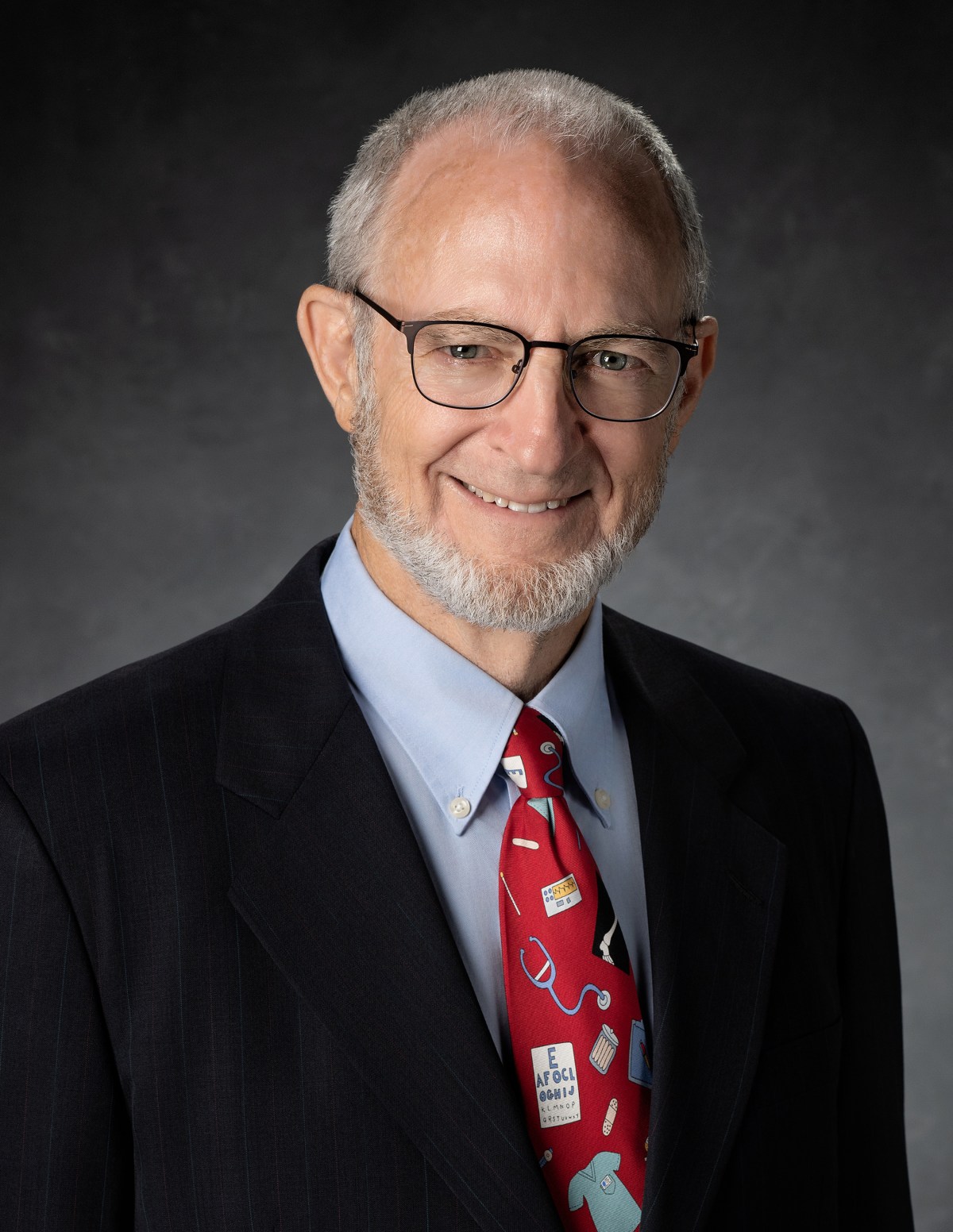
When asked about the best aspect of practicing medicine, Dr. David Capper doesn’t miss a beat. “It’s the people,” he explains. “I think it really just boils down to the opportunity to have in-depth relationships with people.” This makes perfect sense when you look at the trajectory of Dr. Capper’s career—it’s always about the people, whether it’s the unhoused, the underserved, or the dying. From his involvement in street medicine to his longtime work in hospice care, Dr. Capper’s passion for people has led his peers to select him as the 2025 Gold-Headed Cane recipient. For those who know him, it doesn’t come as a surprise.

“David truly embodies the spirit of the Gold-Headed Cane,” says 2024 Gold-Headed Cane recipient Stuart Pickell, MD, a longtime friend of Dr. Capper’s. “I once heard of a patient he treated for skin lesions caused by an arthropod infestation. Not only did David provide medical care, but he also arranged—and personally paid—for the patient’s home to be exterminated. That story captures who he is at his core: physician, colleague, advocate, educator, ethicist, disciple.”

Dr. Capper’s life can be defined by many excellent things, but he defines himself by what is most important to him: his faith in Jesus. As a longtime Christian, Dr. Capper says his motivations ultimately come from his desire to honor God by serving others. He cites Matthew 5:16 as his guiding scripture: “Let your light shine before others, that they may see your good deeds and glorify your Father in heaven.” (NKJV)

He is humbled to receive the Gold-Headed Cane, which he has a unique tie to: his father, Robert Capper, MD, himself received the recognition in 2005.
“It’s not something you strive for,” says Dr. Capper. “What I thought about the Gold-Headed Cane over the years is that it’s a recognition of the peers of a physician whose life was committed to the profession and those professional values. And so, it’s very humbling, and it’s honoring.”


Dr. Capper has long had a passion for service, but he wasn’t always sure that medicine would be his medium. Though his father was a physician and his mother a nurse, he didn’t decide to pursue medicine until he was near the end of his collegiate career.

“I had an extremely high regard for my father and his peers,” he says. “The people that I was introduced to through my parents that were physicians were of the highest integrity, and I thought that’s the way physicians all were. And I didn’t quite see myself in that same category.”

It wasn’t until an emergency appendectomy between his junior and senior years of college that his path became clear. In a way, this was a blow—Dr. Capper was the captain of his football team, and he had recently gotten an All-American honorable mention, yet he would not be able to play the first half of the season. But being forced to slow down gave him the opportunity to spend a lot of time praying about his future. By the end of his stay, Dr. Capper felt a clear calling to become a physician in spite of his reservations. And instead of being intimidated by the excellence of the physicians he knew, he used it as a standard to strive for.

After Dr. Capper completed his undergraduate degree in liberal arts from Austin College and fulfilled his prerequisites, he began his tenure at the University of Texas Medical School at Houston. This was an enriching time that opened Dr. Capper’s eyes to the many possibilities of medicine.

He graduated from medical school in 1982 and was accepted into Good Samaritan Hospital’s internal medicine residency program in Portland, Oregon. It had a multidisciplinary pain program and was home to one of only two hospices in the state, both of which Dr. Capper credits as being formative to his education.

Throughout his medical training, Dr. Capper did extensive mission work, with the goal of eventually working in foreign medical missions. During this time, he met his wife, Dianne, who shared his passion for ministry. When he completed his residency, they planned to pursue mission work together, but a number of life circumstances kept them from taking the leap.

They ended up moving to Tyler, Texas, where Dr. Capper filled in as an emergency room physician. The family eventually came to Fort Worth, where he worked in the Harris Methodist Hospital Emergency Department and then joined E. Richard Holden, MD, a hematologist who needed help in his practice. Ultimately, Dr. Capper pivoted his ministry mindset to a local one—for the most part. Though he never went into foreign mission service full time, he has participated in over 30 short-term mission trips, the majority of which had a medical basis.

In the years since, Dr. Capper has worked in a variety of positions. He would not consider himself a traditional internist—he has a background in emergency medicine, pain management, geriatrics, cardiology, and palliative care that have played extensive roles in his career.

“I don’t know what I’m going to do when I grow up,” he says, laughing. “I’ve worn so many different hats and continue to do so.”
Throughout his extensive career, Dr. Capper has been heavily involved in medical education for both students and residents, was among the founders of a hospitalist program, worked in private practice, had a leadership role in an independent physician association, was the medical director of a PPO, and served as the medical director of one hospice program and CEO of another. He was among the founding members of a charitable clinic and helped to start JPS’s street medicine program, serving as their de facto medical director in its earliest years. He has worked as a nocturnist and helped to start several medical organizations.

Through the many roles he has held, one he has continually been drawn to is the critical but challenging practice of palliative and hospice care. While there is nothing easy about this field, he values the opportunity to help complex patients manage their conditions and terminal patients pass their last days with the greatest possible dignity and comfort.
Currently, Dr. Capper serves as the CMO of Community Healthcare of Texas, where he also oversees both their hospice and supportive care programs. He is on the faculty of both the TCU Burnett School of Medicine and the Texas College of Osteopathic Medicine (TCOM).

Dr. Capper has been impacted by many people throughout his career, but his greatest support has always come from Dianne, who has worked in ministry alongside him—all while raising their six children and, for a time, their foster daughter.

“I can’t have this conversation without talking about my wife,” Dr. Capper says. “She has supported me and managed our family in my life of craziness; it’s really remarkable.”
He is also grateful for his many siblings and their spouses—he is one of seven—and his parents for the impact they have had on him.
“I have a phenomenal family,” Dr. Capper says. “And you talk about influence on your life. . . . There’s a natural motivation when you have such great people who are encouraging you to do well.”

He views his parents as his ultimate medical heroes and says that their hearts of compassion were critical in the formation of his own worldviews. There are many other mentors and friends he would like to acknowledge for the impact they’ve had on him, and a few are the late John Richardson, MD; Drew Ware, DO; Michael Ross, MD; John Burke, MD; and Bob Keller, MD.

Dr. Capper is grateful for the impact his colleagues have had on his life, and many of those he has worked alongside over the years return the sentiment.
“David is a solid, conscientious physician, and I always felt secure knowing that he was helping my patients when I was away,” says Greg Phillips, MD, a friend and former colleague. “His work in our community helping the underserved and uninsured is without equal.”


Dr. Capper stresses that for patients who are underserved, it is critical to meet them where they are.

“The old saying goes that healthcare is local, right?” he says. “And it’s also true for disenfranchised communities.”

After Dr. Capper began practicing medicine in Texas, he and a group of dentists, physicians, and nurses worked together to start Beautiful Feet’s charitable clinic. It was 1988; JPS only had one central clinic, and the Fort Worth city-run clinics were in the process of being shut down, leaving a gaping hole in the community. The new clinic saw its first patients in 1989, and they have been going strong since. Dr. Capper has served as the group’s volunteer medical director since their doors opened.

“Dr. Capper has been leading [the] . . . clinic through Beautiful Feet Ministries for over 40 years, targeting the homeless and poor living in the Historic Southside of Fort Worth,” says Sarah Myers, Beautiful Feet Ministries co-director. “Through this clinic, countless people have benefited from Dr. Capper’s expertise and compassion.”

Approximately 80 percent of the clinic’s patients are unhoused, which creates unique challenges for continuation of care. His longtime work with this population made Dr. Capper an ideal fit for heading up JPS’s work in street medicine. Later brought on to oversee the palliative care program at JPS, his role grew from working as the volunteer medical director to eventually becoming the staff medical director of their unhoused program.

Though he stepped away from the position in 2022, Dr. Capper is proud of the strides JPS has made in street medicine.

“When we were able to get the 1115 waiver grants—well, I’m not proud of a lot of things, but I am proud of what we were able to structurally do with that,” says Dr. Capper. “And that allowed us to create a program that really addressed the needs of Tarrant County homelessness.”

Though there is a great need for medical care among the unhoused, Dr. Capper has had a broader outreach than that. He helped to form Project Access Tarrant County (PATC), Tarrant County Academy of Medicine’s (TCAM) program that provides specialty charitable care for those who have no resources outside of emergency rooms and primary care charity clinics. He has been on the PATC board since the organization was formed in 2011.

“Dr. Capper was integral to the creation and success of Project Access,” says PATC Director Kathryn Keaton. “His knowledge of charitable care is second to none and is only exceeded by his passion for accessible, comprehensive care for every individual in Tarrant County.”

Dr. Capper is heavily involved in charity care, but he still makes time to focus on a sister cause: medical ethics. He has been on a number of ethics committees, including TCAM’s ethics consortium, and he currently chairs the ethics committee at Medical City Fort Worth.

Because of his work in palliative and hospice care, this has continued to be a significant focus throughout his career.

“You have a lot of potential ethical conflicts in this world,” he says, “so I started going to conferences 20 years ago and then eventually entered a master’s program in biomedical ethics.”

He graduated with his master’s from Trinity International University this past December, and he plans to keep teaching medical ethics not only to physicians but to the public at large.

“So many of these conflicts that we deal with in clinical ethics, they come back to just people living their lives,” Dr. Capper says. “How many of these ethical conflicts could be avoided if people only took a knowledgeable approach to their own advance care planning?”

Like many things, Dr. Capper believes it comes back to education—one of his greatest passions.


Dr. Capper knew he liked to teach early in his career. When he had an extended year in his residency as the chief resident, it was a heavily teaching-focused position. He loved sharing with and learning from other doctors to make the group better as a whole.

When he moved to Fort Worth, teaching at TCOM—which his father had also done—was a natural transition. He works in their geriatric medicine department, and he also joined TCU’s faculty when the medical school was started in 2018; he serves as the chair of clinical sciences. He had also been involved in teaching residents at JPS and Medical City Fort Worth.

He has three charges for those who are just starting out on their careers: physicians must consciously subjugate their own desires for the good of the patient; they have to recognize the unique role of the profession and the responsibilities it entails; and they should always practice with humility.
“We must realize we are no better than our fellow human beings and treat them with respect, no matter what the circumstances of a fellow human being are.”

Dr. Capper does not limit his teaching to the classroom; he marries his love of education with caring for the underserved most Saturdays when he oversees the student-run clinic at Beautiful Feet. As he works with students, he encourages them to make sure they have the right perspective when caring for their patients.

“My warning to the future of medicine is that we need to come back to more of a standard that is time immemorial,” he says. “We shouldn’t bend to the culture; we still need to hold true to ultimate or eternal values.”

Ultimate and eternal values drive Dr. Capper in all that he does. When he isn’t working, he has often spent time ministering to others alongside his family; years ago, when his children were growing up, they did family mission trips together every summer instead of family vacations.

He is incredibly proud of the people they have become, and whenever he and Dianne have the chance, they love spending time with their children, their children’s spouses, and their ten grandchildren, as well as close friends they have worked and served alongside over the years.

Looking back over his career, Dr. Capper is grateful for the path his life has taken.

“You have a relationship with people that exceeds that of any other relationships between people and a profession,” he says. “It’s not just contractual but covenantal; it’s about making a difference.”


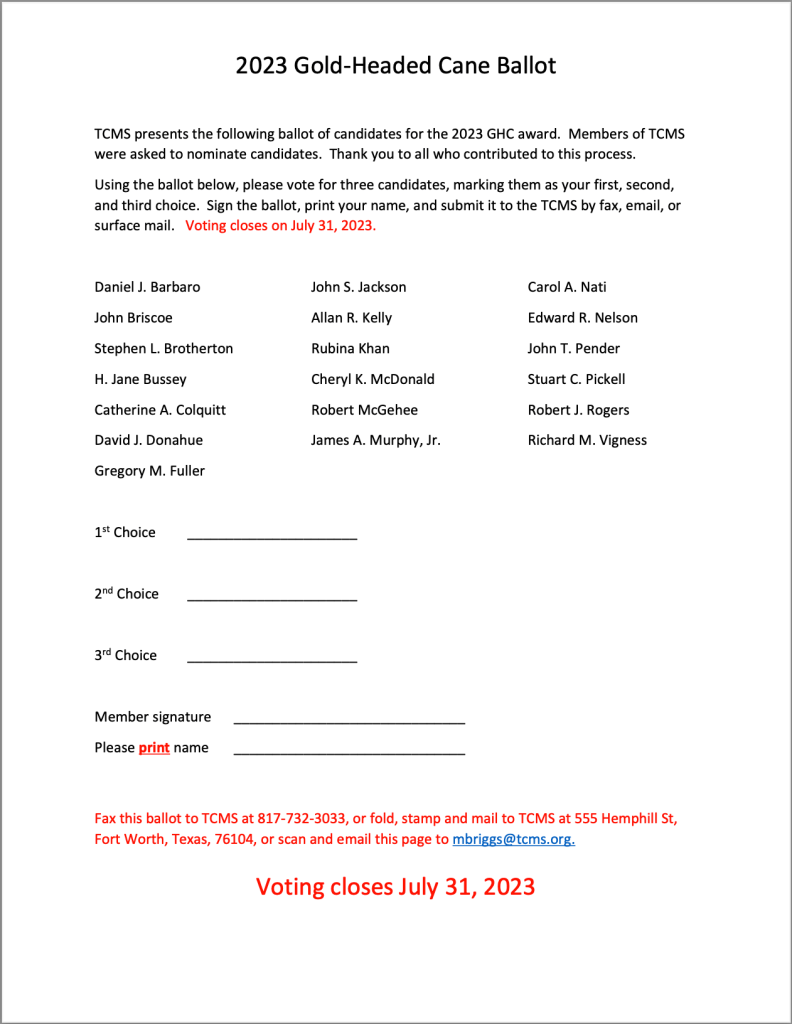
TCMS Gold-Headed Cane Nominations Open for 2023

Physicians, nominations are now open for the 2023 Gold-Headed Cane Award, which is given annually to an outstanding TCMS member who has made a significant impact on our medical community.

To be eligible for the award, a nominee must be a current member of TCMS and have been a TCMS member for at least 15 years.

All current TCMS members have the opportunity to nominate one candidate for this award. You can make your nomination or learn more here.

All nominations must be received by July 31, 2023.

TCMS Gold-Headed Cane

Nominations Open for 2023

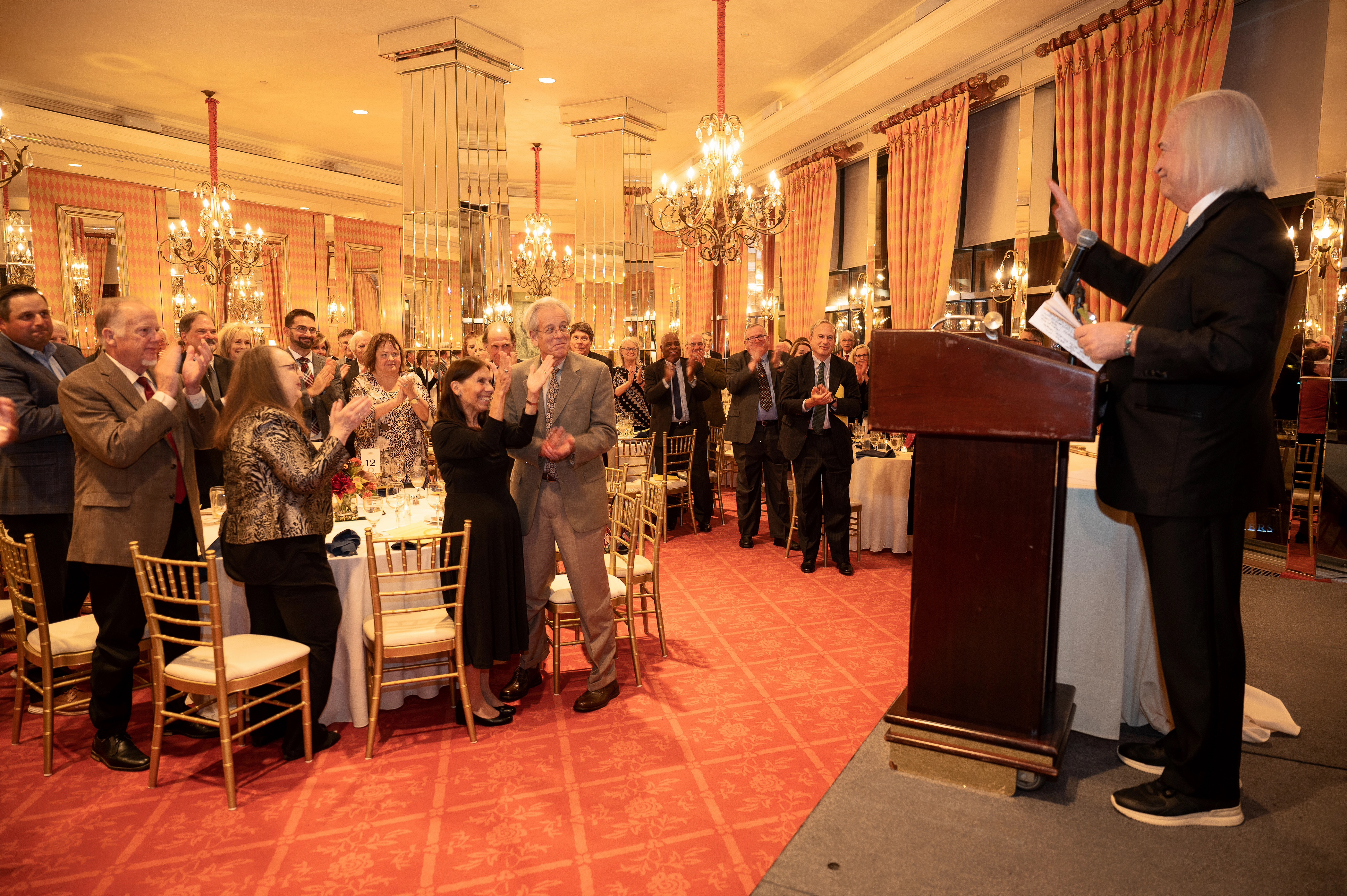
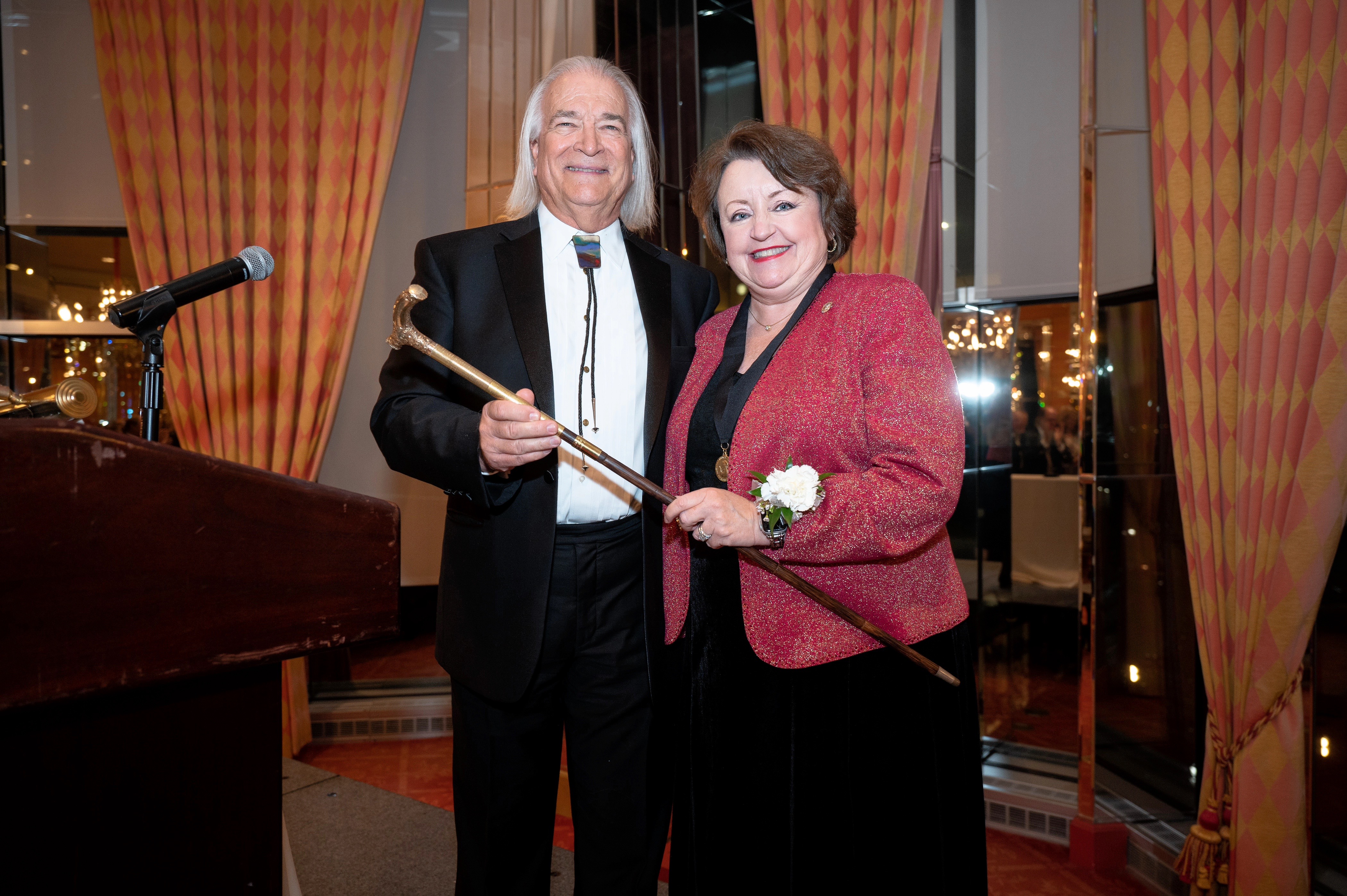
Gold-Headed Cane recipient, Dr. Gregory Phillips, and Dr. Susan Bailey at the 2022 Event.

Nominations for the 2023 Gold-Headed Cane Award, which is given annually to an outstanding TCMS member who has made a significant impact on our medical community, are now open.

A nominee must have been a TCMS member for at least 15 years and be a current TCMS member in order to be considered for the award. The list of members who are qualified is available here.

All current TCMS members are eligible to nominate one candidate for this award. You can submit a nomination or learn more about it here.

All nominations must be received by May 12, 2023.

Addressing Conscientious Objection in Healthcare

Insights from the 2023 Healthcare in a Civil Society Forum

by Liz Ramirez

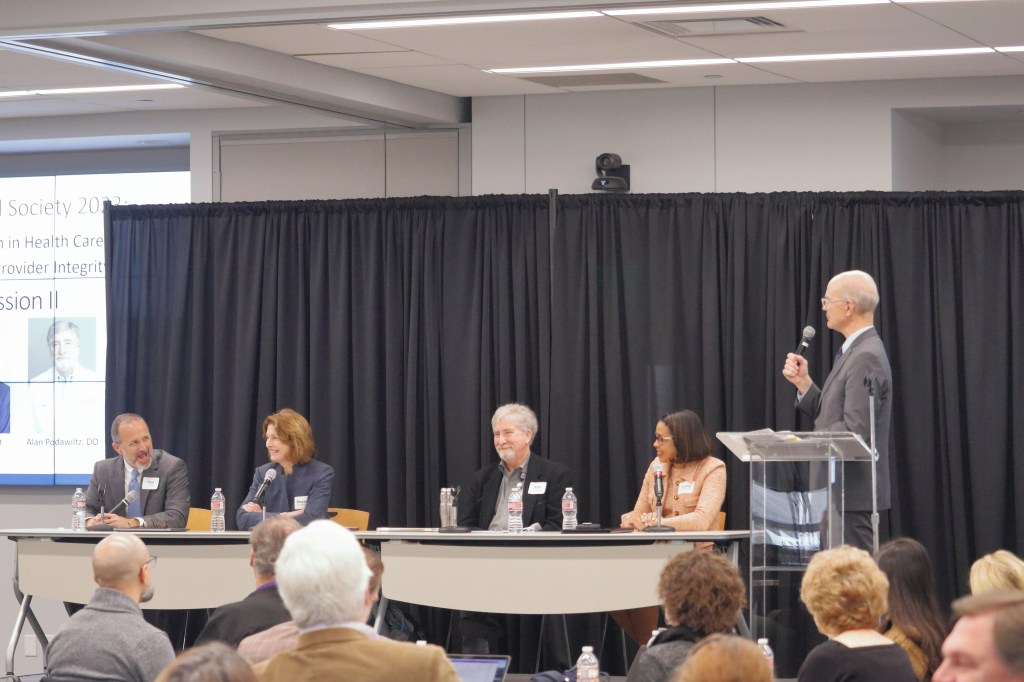
The Tarrant County Academy of Medicine Ethics Consortium, in partnership with Tarrant County Medical Society, hosted Healthcare in a Civil Society on Saturday, February 25, 2023. The annual forum’s central theme focused on “Conscientious Objections in Health Care: Patient Autonomy and Provider Integrity.” 

TCMS President Stuart Pickell, MD, joined Steve Brotherton, MD, as HCS moderator and welcomed their keynote speaker, Farr Curlin, MD, at the University of North Texas Health Science Center.  

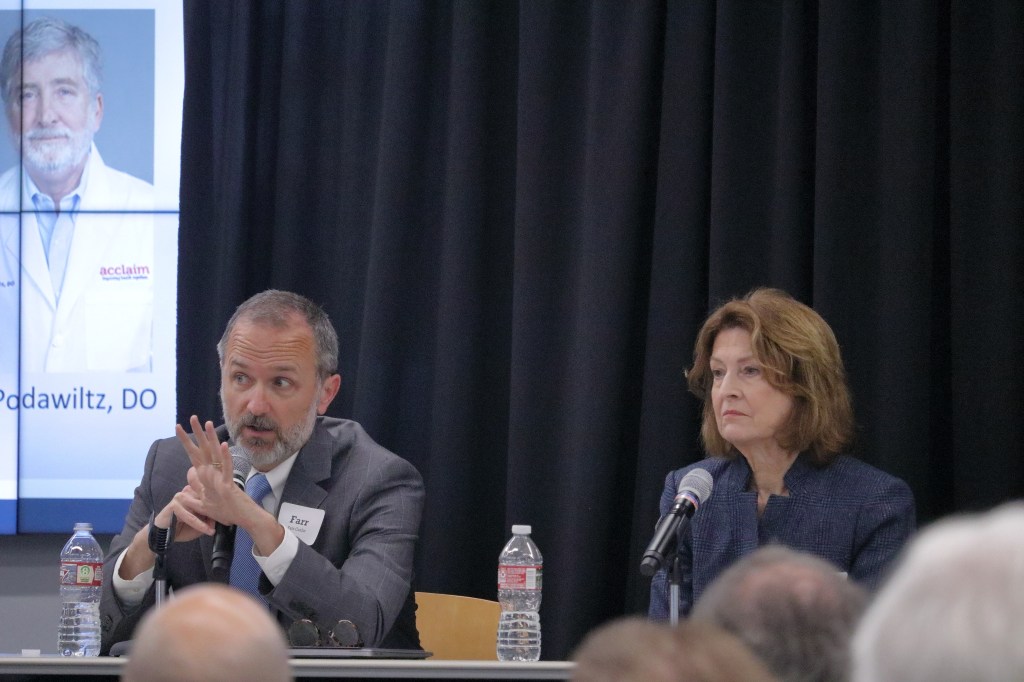
“Dr. Curlin is an internationally known expert on physician conscience and conscientious objection,” said Dr. Pickell. “He is particularly concerned with the moral and spiritual dimensions of medical practice, the doctor-patient relationship, and the moral and professional formation of physicians. His areas of expertise are medicine, medical ethics, doctor-patient relationship, religion and medicine, and conscience.” 

On the panel, Dr. Curlin was accompanied by panelists Maxine M. Harrington, JD; Alan Podawiltz, DO; and UNTHSC President, Sylvia Trent-Adams, Ph.D., RN. In the discussion, Preston “Pete” Geren, JD, moderated a panel about educational topics like state intrusion into practice, the effect of providers performing unethical acts, and how medical educators can train students to recognize moral injury. 

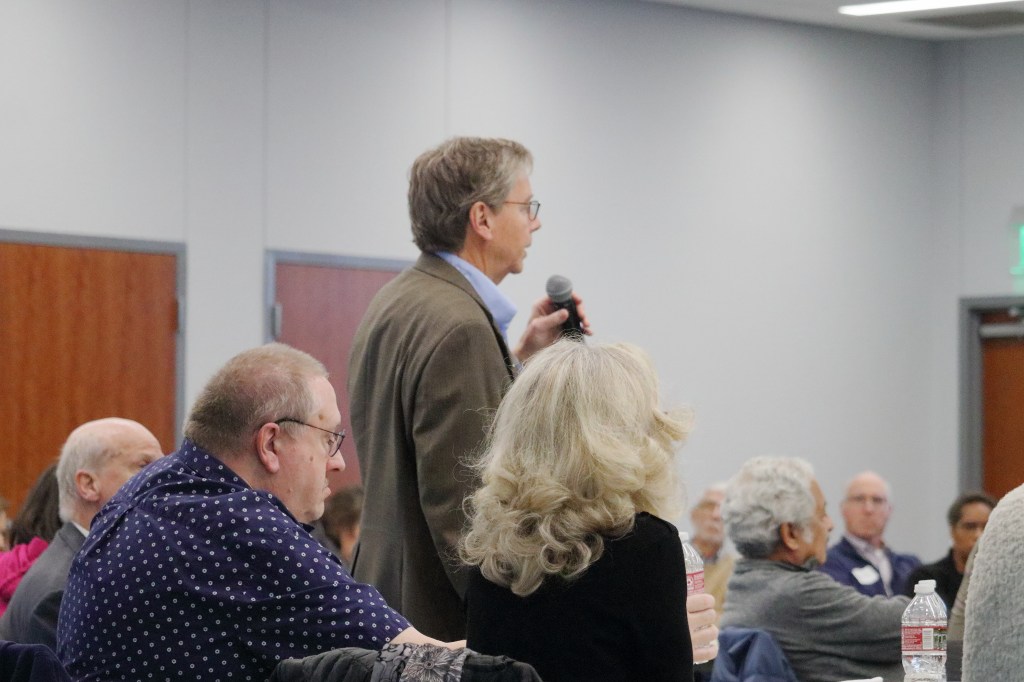
Participants had the opportunity to interact in small groups and prepare questions for the panelists during the breakout session, where panelists discussed the impact of government and institutional intrusion into medical practice, its effect on healthcare providers, and what providers can do to address it.  

“While this event targets medical professionals, anyone who has an interest in the doctor-patient relationship- how it has evolved, where it is heading and implications for the future of healthcare- will find this program helpful,” said Dr. Pickell.

The Tarrant County Academy of Medicine Ethics Consortium believes anyone in the community with an interest to improve healthcare can benefit from this program. The event wouldn’t be possible without the support of Blue Cross Blue Shield, Cook Children’s Medical Center, JPS Health Network, and the University of North Texas Health Science Center. 

TCMS Legislative Committee Kickoff

Join us for a night of fun and advocacy training as we kick off our 2023 TCMS Legislative Committee meeting.

In partnership with TMA lobby staff, you will learn about the top issues, challenges, and techniques we will use to advocate on behalf of physicians and patients during the upcoming session.

The TCMS Legislative Committee is one of the most active advocacy groups in all of Texas, and we need a strong bench of leaders who continue to be involved here in Tarrant County, Texas, and Washington D.C.  Please RSVP to Elizabeth Bowers at elizabeth@tcms.org.

Linda Siy, MD, named Texas Family Physician of the Year

Linda Siy, MD, of Fort Worth, Texas, has been awarded the highest honor among Texas family doctors by the Texas Academy of Family Physicians. She was named the 2022 Texas Family Physician of the Year during TAFP’s Annual Session and Primary Care Summit in Grapevine on Oct. 29. Each year, patients and physicians nominate extraordinary family physicians throughout Texas who symbolize excellence and dedication in family medicine. A panel of TAFP members chooses one as the family physician of the year.

“It truly is an honor to join the ranks of those who have received this distinction, and I’m very humbled to be considered with those distinguished colleagues who previously were Family Physicians of the Year,” Siy said as she accepted the award.

Siy has been a family physician for over 30 years, and currently practices at John Peter Smith Health Network at the Northeast Medical Home in Tarrant County, a practice she’s been a part of since 1995. She is also faculty at the University of Texas Southwestern School of Medicine, the University of North Texas Health Science Center/Texas College of Osteopathic Medicine, and the Texas Christian University Burnett School of Medicine.

Throughout her years in organized medicine, Siy has served on many committees and councils for both TAFP and the American Academy and has been president of the TAFP Foundation since 2017. She serves on the Acclaim Multispecialty Group’s Physician Board of Directors, and previously served as president of the Tarrant County Medical Society and TAFP’s Tarrant County chapter.

Siy has spent her career in medicine treating her loyal and multi-generational families of patients, many of whom are underserved, suffer from housing and food insecurity, and struggle with mental health and substance abuse. Many of her nominators mentioned her willingness to speak up and ask the questions others are too afraid to ask, as well as her dedication to teaching the next generation of family physicians.

“I think what’s kept me in the game for so long at the place where I work now are those rewarding relationships with your patients, with your staff, with your colleagues,” Siy said of her career in family medicine. “It’s really not a job. It’s a calling.”

Design a site like this with WordPress.com
Get started