Tarrant County Medical Leaders Host Inaugural Texas Street Medicine Symposium, Make Bid for 2023 International Street Medicine Symposium

On May 6-7, 2022, healthcare and service professionals, from physicians to social workers, met for the inaugural Texas Street Medicine Symposium at the Tarrant County Medical Society. The event was a success, and now, Fort Worth is making a bid to host the 2023 International Street Medicine Symposium.

Street medicine is centered around bringing comprehensive medical care to people who are experiencing unsheltered homelessness. The symposium, which had representatives from Fort Worth, Austin, and San Antonio, was an opportunity for street medicine teams and affiliate organizations to share ideas and opportunities.

“The practice of Street Medicine is often tied closely with state and local policies,” says Joel Hunt, PA. Hunt, who was one of the Symposium’s lead organizers, is the director of Acclaim Physician Group’s Street Medicine program. “Texas has a large, diverse population, and many Street Medicine teams spread across the state. Our goal was to give these teams a space to meet and share their experiences in hopes that best practices could be applied statewide.”

The meeting, which had around 70 attendees, was a collaborative effort between JPS Foundation, Acclaim Physician Group, Integrative Emergency Services, and TCMS. Street Medicine International founder Jim Withers, MD, spoke at the event, and a range of topics and resources were covered to empower those who interact with the homeless community, from opioid abuse treatments to housing access.

The event was well received, and participants left informed and challenged, but Hunt isn’t resting on his laurels – he is preparing to send in an application to host the 2023 International Street Medicine Symposium in Fort Worth. If his bid is accepted, the symposium, which will take place next fall, would bring hundreds of healthcare and social workers to Fort Worth for its duration. Hunt will need to turn the application in to the Street Medicine Institute by June 24, 2022.

“We hope to leverage our success with hosting this conference to put forth a strong application,” says Hunter Scarborough, MD, Hunt’s co-organizer for the Texas Symposium and an emergency medicine physician at JPS Health Network. “Fort Worth has the advantages of an easily accessible airport, big city amenities, and a local government supportive of health care and housing measures for persons experiencing homelessness.” 

Hunt believes this event would energize and inform Tarrant County’s current street medicine initiatives.

“Showcasing the great work this community is doing would be fantastic,” he says.  “Bringing in international experts to share their knowledge, wisdom, and experiences would allow us to in turn apply them to continue to improve our community.”

COVID-19 Vaccine Clinics for the Week of June 25

Tarrant County Public Health hosts numerous pop-up COVID-19 clinics across Tarrant County each week in partnership with public and private organizations listed below. Each site has the Moderna and Pfizer vaccines and at times the Johnson & Johnson. Children five and older are eligible for the vaccination. Parents need to bring proof of the child’s age and their own ID for the vaccination. Booster vaccinations are available at all of the vaccination locations.

  
TCPH would like to bring a COVID-19 vaccination clinic to businesses, churches and organizations in the community who are interested in hosting a pop-up clinic. It’s easy and free to host a clinic.
 
In addition to the vaccination opportunities below, the cities of Arlington, Fort Worth, Mansfield, North Richland Hills, Hurst, and Tarrant County College have also added opportunities for vaccinations. To find a local vaccine site, the County created a vaccine finder page: VaxUpTC website.

Pop-Up COVID-19 locations:

Everman Public Library
Saturday, June 25: 10 a.m. to 2 p.m.
100 North Race St.
Everman, TX 76140

Austin Company-Health Expo
Saturday, June 25: 11 a.m. to 4 p.m.
2029 North Main St.
Fort Worth, TX 76164

Greater Saint Stephen First Church
Monday, June 27: 1 p.m. to 5 p.m.
3728 East Berry St.
Fort Worth, TX 76105

Vaxmobile – Saint John Cathedral  
Thursday, June 30: 9 a.m. to 4 p.m.
2501 East Berry St.
Fort Worth, TX 76105

Worth Heights Community Center
Thursday, June 30: 3 p.m. to 6 p.m.
3551 New York Ave.
Fort Worth, TX 76110

Lamar High School    
Friday, July 1: 10 a.m. to 2 p.m.
1400 W. Lamar Blvd.
Arlington, TX 76012

Tarrant County Public Health CIinics:

Northwest Public Health Center
Monday to Friday: 8 a.m. to 12 p.m. and 1 to 5 p.m.
3800 Adam Grubb Road
Lake Worth, TX 76135

Bagsby-Williams Health Center
Monday to Friday: 8 a.m. to 12 p.m. and 1 to 5 p.m.
3212 Miller Ave.
Fort Worth, TX 76119

Southeast Public Health Center
Monday to Friday: 9 a.m. to 12 p.m. and 1 to 6 p.m.
536 W Randol Mill
Arlington TX, 76011

Main Public Health Center
Monday to Friday: 8 a.m. to 12 p.m. and 1 to 6 p.m.
1101 S. Main Street
Fort Worth, TX 76104

Southwest Public Health Center
Monday to Friday: 8 a.m. to 12 p.m. and 1 to 5 p.m.
6551 Granbury Road
Fort Worth, TX 76133

Watauga Public Health Center
Monday to Friday: 8 a.m. to 12 p.m. and 1 to 5 p.m.
6601 Watauga Road
Watauga, TX 76148

The Vaxmobile is a partnership between Tarrant County Public Health and Trinity Metro to bring COVID-19 vaccines to underserved communities throughout Tarrant County. The 60-foot bus converted to a fully equipped mobile vaccine clinic, will make weekly stops in the areas with the lowest vaccination rates on Thursdays. Vaccinations are also available at the six Tarrant County Public Health clinics listed above every day of the week.

For more information go to coronavirus.tarrantcounty.com or call the Tarrant County Public Health information line, 817-248-6299, Monday – Friday 8 a.m. to 6 p.m.

Tarrant County to begin administering COVID-19 vaccine to infants and toddlers

Tarrant County Public Health will begin administering the COVID-19 vaccine to children six months to five years of age at all TCPH clinics, public pop-up clinics, and the Vaxmobile starting on Wednesday, June 22, 2022.

Both the Pfizer and Moderna vaccines will be available to protect this age group. Infants six months through four years of age receiving the Pfizer vaccine series will need to get two doses, three weeks apart, and a third at least two months later. The dosage of Pfizer for infants is one-tenth of the dosage for adults. The Moderna vaccine series for infants six months through five years of age will consist of two doses, four to eight weeks apart, and it will be a quarter of the dosage of Moderna for adults. A third dose of Moderna has been approved for immunocompromised infants in this age group, at least one month after the second dose.

The CDC now recommends the COVID-19 vaccine for children and adolescents six months of age and older. COVID-19 has become one of the top 10 causes of pediatric death, and tens of thousands of children and teens have been hospitalized because of the virus. While children and adolescents are typically at lower risk than adults of becoming severely ill or hospitalized from COVID-19, the effects of the virus are unpredictable. Vaccination is the best way to protect children from COVID-19.

The COVID-19 vaccine is safe and effective. Before it was authorized for children across age groups, scientists and medical experts reviewed safety and effectiveness data from clinical trials involving thousands of children.

Tarrant County Public Health Clinics:

Northwest Public Health Center
Monday to Friday: 8 a.m. to 12 p.m. and 1 to 5 p.m.
3800 Adam Grubb Road
Lake Worth, TX 76135

Bagsby-Williams Health Center
Monday to Friday: 8 a.m. to 12 p.m. and 1 to 5 p.m.
3212 Miller Ave.
Fort Worth, TX 76119

Southeast Public Health Center
Monday to Friday: 9 a.m. to 12 p.m. and 1 to 6 p.m.
536 W Randol Mill
Arlington TX, 76011

Main Public Health Center
Monday to Friday: 8 a.m. to 12 p.m. and 1 to 6 p.m.
1101 S. Main Street
Fort Worth, TX 76104

Southwest Public Health Center
Monday to Friday: 8 a.m. to 12 p.m. and 1 to 5 p.m.
6551 Granbury Road
Fort Worth, TX 76133

Watauga Public Health Center
Monday to Friday: 8 a.m. to 12 p.m. and 1 to 5 p.m.
6601 Watauga Road
Watauga, TX 76148

COVID-19 causes respiratory illness with cough, fever and shortness of breath and may lead to bronchitis and severe pneumonia. For more information go to the TCPH coronavirus page or call the Tarrant County Public Health information line, 817-248-6299, Monday – Friday 8 a.m. to 6 p.m. and Saturday 10 a.m. to 2 p.m.

Let’s Go Mobile!

Public Health Notes

By Catherine Colquitt, Tarrant County Public Health Medical Director

This article was originally published in the May/June 2022 issue of the Tarrant County Physician. You can read find the full magazine here.

Tarrant County Public Health (TCPH), with its long history of providing vaccinations and testing in response to outbreaks and exposures, is rapidly expanding mobile operations to meet more testing, vaccination, treatment, screening, surveillance, contact tracing, and risk reduction education needs in our rapidly growing county. 

TCPH staff and leadership have learned much during the COVID-19 response about taking services “local.” We have benefitted greatly from working with such partners as county, regional, state, and federal government agencies, as well as first responders, municipalities, the Tarrant County Medical Society, school districts, colleges and universities, primary and secondary private schools, preschools, childcare facilities, places of worship, and municipal and state emergency management and preparedness experts. 

Responding to the need for mobile services with COVID-19 has reshaped healthcare delivery and has redefined preventive risk reduction and early/expedited treatment strategies for communicable diseases. It may also help us to move closer to the health equity we wish to achieve in our county and beyond. The COVID-19 pandemic has exposed disparities in access to vaccines, testing, accurate COVID-19 information, and expert advice regarding COVID-19 risk reduction strategies (masking, social distancing, practicing cough and hand hygiene, self-isolating when ill, quarantining after COVID-19 exposure, and vaccination). 

As of March 24, 2022, some 2,894,773 COVID-19 vaccinations have been administered in Tarrant County, with 1,338,110 people (66.24 percent of eligible Tarrant County residents) having received one dose, and 1,179,080 people (58.37 percent of eligible Tarrant County residents) being considered fully vaccinated with one Johnson and Johnson vaccine or two doses of mRNA vaccines.1

Essential clinical services offered by TCPH include immunizations; HIV testing, prevention, and treatment; STD screening and treatment; tuberculosis treatment; screening and contact investigations; drug treatment for latent tuberculosis infection; travel medicine clinics for advice; and vaccinations essential for safe international travel. We believe that a hybrid approach to the delivery of these services is vital to addressing health equity and access issues that could otherwise interfere with our objective of safeguarding the public’s health. We continue to operate our brick and mortar clinics across the county, but we must be nimble to serve communities which can’t easily access services in our fixed locations. We have a highly visible VaxMobile (an articulated city bus provided by our Fort Worth Transportation Authority partners), and we have purchased five mobile immunization trailers customized for the purpose. We have also purchased a 26-foot-long mobile van in which we can see clients for education, testing, and treatment.

We are ready, willing, and coming soon to your neighborhood. Remember, “Public Health is Where You Are”!

References

1.Data from Texas Dept of State health Services COVID-19 Dashboard
https://dshs.texas.gov/coronavirus/AdditionalData.aspx

JPS Health Network, Fort Worth ISD To Offer Free Sports Physical Exams for the New School Year

Physicians from JPS Health Network are offering free sports physicals for Fort Worth ISD student athletes on Saturday, May 21.


Fifty JPS physicians, including seven Sports Medicine Program fellows, Sports Medicine Program faculty members, and physicians in the Family Medicine Residency Program, will perform the exams. A comprehensive sports physical exam is required for Fort Worth ISD students to participate in athletics in the new school year. The free event is a convenient opportunity for students to get a checkup.


Also volunteering their time are more than 30 others, including JPS nurses, EMTs, and students from Texas College of Osteopathic Medicine, who will take vital signs. Other JPS team members have been enlisted to direct the students to various stations.


“We want to be involved in our community. We want kids to be able to participate in sports because it provides so many positives for our youth today,” said Sports Medicine Fellowship Program Director Michele Kirk, MD.

The mass physicals event has not taken place since 2019 due to the COVID-19 pandemic. Kirk noted that at past events JPS physicians have identified serious health problems in some teens while checking students’ readiness for sports. Athletes are referred to the appropriate physician providers for further evaluation and treatment in these situations.


JPS Sports Medicine physicians serve as team physicians for many high schools in Fort Worth ISD and Arlington ISD as well as being the team physicians for Texas Christian University, Texas Wesleyan University, and Southwest Assemblies of God University. They specialize in preventing, diagnosing, and treating injuries related to athletics and physical activities. To find out more about the JPS Sports Medicine program, visit jpshealthnet.org/get-care/services/orthopaedics.


Physical examination and medical history forms must be completed and signed by a parent or legal guardian by Wednesday, May 18. All FWISD athletes wanting to participate must go through their school and athletic trainer. Parents will not be allowed to bring their children in for the physicals themselves.

TCU Medical Student Launches Barbershop Talk Therapy in Fort Worth

Antonio Igbokidi, a second-year medical student at TCU School of Medicine, brings Black men together to discuss mental health at a Fort Worth barbershop.

By Prescotte Stokes III

Originally published by TCU School of Medicine on May 10, 2022.

Creating a space for African American men to come together and have open dialogue about mental health is something that Antonio Igbokidi, a second-year medical student at TCU School of Medicine, had been trying to organize since he arrived in Fort Worth in July 2020.

However, he didn’t want to use a random space for this kind of communal gathering. He wanted it to be a place where Black men could let their guard down and speak freely. Igbokidi turned to a place that has been one of the cornerstones of the African American community since the early 19th century, a barbershop.

“When I think about my childhood and my dad he spoke a lot more at the barbershop than he did at home,” Igbokidi said.

Igbokidi held his first Barbershop Talk Therapy session at Lake Como House of Fades Barbershop in Fort Worth in April. The event was done in collaboration with the Fort Worth ISD Family Action Center.

Igbokidi, who serves as the as the National Diversity Research Committee Co-Chairperson for the Student National Medical Association (SNMA), wanted the men involved to come out of the session feeling a sense of camaraderie.

“It’s all about figuring out ways to get men of color to have raw, vulnerable and organic conversations about mental health,” Igbokidi said. “Figuring out how to destigmatize and demystify mental health.”

Igbokidi was joined by members of the TCU School of Medicine SNMA Chapter as well as Brian Dixon, M.D., assistant professor at TCU School of Medicine.

Dr. Dixon is a psychiatrist with his own private practice in Fort Worth. He helped guide the discussion among the two dozen of men that came to the barbershop.

“It’s always fun to be in the classroom but to see one of my students actually out in the community doing some amazing work connecting people is amazing,” Dr. Dixon said.

For two hours, Igbokidi and Dr. Dixon, led the discussion where the participants talked freely about issues among Black men, young and old, in their community. The group shared their thoughts on crime, love, relationships, fatherhood, jobs and more.

“As a psychiatrist I’ve heard a lot in my day,” Dr. Dixon said. “But today was really poignant because it came from Black men and people who look like me. I’m really glad that they were felt safe enough to be in this space and share and that they trusted me with that honesty.”

Igbokidi also collaborated with the Black Heart Association to offer free screening for cardiovascular disease for anyone attending the session. Michael and Tara Robinson, co-founders of the Black Heart Association, were happy to be a part of something to help ease the hearts and minds of Black men.

“Everything flows through the heart whether it be mental or emotional,” Michael said. “As African American men we’re raised in a culture where we’re taught to be strong. Even as young boys there’s not a space for us to have safe conversations and be vulnerable.”

The men were able to get their glucose levels, cholesterol, blood pressure and risk of heart disease checked. The Black Heart Association has a mobile heart center where they go to barbershops, and other places, around Tarrant and Dallas Counties and offer free screenings for heart disease.

“We know that mental health plays a part in heart disease so this event was like the perfect marriage between what we do and what Toni is doing,” Tara said.

Igbokidi plans to continue the mental health sessions with his next stop being in the historic Stop 6 neighborhood in Fort Worth.

“I’ll have these same conversations whether or not they are larger or smaller,” Igbokidi said. “Just being able to have these conversations is going to bring healing. It’s going to bring understanding and it’s going to allow the communities to become stronger.”

The Hidden Costs of COVID-19

Public Health Notes

By Catherine Colquitt, MD

This article was originally published in the March/April 2022 issue of the Tarrant County Physician. You can read find the full magazine here.

In response to soaring overdose deaths across the U.S. during the pandemic, the American Medical Association (AMA) Advocacy Resource Center published a brief on Nov. 21, 2021, cataloging increased overdose deaths state-by-state. They decried decreased access to “evidence-based care for substance use disorder, chronic pain, and harm reduction services.”1

The AMA also sent a letter to the U.S. Centers for Disease Control and Prevention urging requirements for health insurers to eliminate barriers to opioid treatment for patients who would benefit from these therapies (think prior authorizations for prescriptions and faxed referrals for specialists). The letter also supported the Biden Administration’s 2022 National Drug Control Strategy, which highlights increased production of medications for substance use disorders, harm reduction strategies (including needle and syringe exchange programs), access to naloxone without prescription, and elimination of health insurer obstacles which prevent persons with chronic pain from accessing pain management.

In addition, a letter from AMA’s Dr. James Madara, MD, to Regina M. LaBelle, the acting director of the Office of National Drug Control Policy, on July 9, 2021, stated that healthcare inequities and social determinants of health fueling the overdose epidemic and disproportionately affecting the “marginalized and minoritized” must be addressed.2

The National Vital Statistics System recently released its “Provisional Drug Overdose Death Counts” for 2021 for the fifty states and the District of Columbia.4 The total overdoses will likely be revised upwards as case compilations for 2021 are completed and reports verified, but the provisional death toll is staggering. Over the 12-month period which ended in June 2021, overdose deaths rose from 47,523 to 98,022, and in Tarrant County, our overdose deaths mirror the national trend with 350 overdose deaths for the 12-month period ending March 2021, compared with 185 overdose deaths for the 12-month period ending January 2021. (Tarrant County data are not yet available for April – December 2021 on the NVSS dashboard.) 

Overdose deaths provide one measure of the toll of COVID-19 in the U.S. and expose need for redress of healthcare inequities, access to medication for opiate use disorders, substance use disorder treatment, mental healthcare access, and access to pain management. Another way the impact of COVID-19 is being assessed is through peer-reviewed publications exploring the hidden costs and benefits of conventional in-person (commuter) work versus work from home. 

“Over the 12-month period which ended in June 2021, overdose deaths rose from 47,523 to 98,022, and in Tarrant County, our overdose deaths mirror the national trend with 350 overdose deaths for the 12-month period ending March 2021, compared with 185 overdose deaths for the 12-month period ending January 2021.”

The results of such studies are uneven and the responses necessarily somewhat subjective when subjects are questioned regarding their feelings about in-person versus telework; in general, workers viewed telework more favorably when they volunteered for it and when their schedules included a combination of both in-person and telework. When mandatory, some teleworkers experienced increased “work-family conflict” as the lines between work and domestic life blurred during telework. Teleworkers and conventional in-person workers reported variable effects on depression, exhaustion, fatigue, and energy level.5

Using data from the American Time Use Survey, authors asked workers to record in a diary where they worked (whether they commuted or not) and noted that male teleworkers in this study reported lower pain, stress, and tiredness levels, but that there was no difference in these measures among female commuters versus non-commuters.6

In another study based on the American Time Use Survey, the designers compared pain in working-at-home versus conventional workers and found no difference in pain reporting between the two groups. However, working-at-home fathers reported increased stress and working-at-home mothers reported decreased happiness.7

COVID-19 is, at the very least, an engine powering academic inquiry, which may have unexpected future benefits for the way healthcare is delivered and work is done.  In the meantime, we must continue the important work of educating, advocating, and caring for our communities.

References
1. AMA Advocacy  Resource Center:  Issue brief: Nation’s drug-related overdose and death epidemic continues to worsen, Updated 11/12/2021 

2. AMA letter to Regina M. LaBelle, Acting Director of Office of National Drug Control Policy, 7/9/2021

3. AMA letter to the U.S. Centers for Disease Control and Prevention, June 2020

4. National Vital Statistics System Provisional Drug Overdose Death Counts – NVSS dashboard for current data, with final data when available from https://www.cdc.gov/nchc/nvss/mortality_public_use_data.htm

5. Oakman J et al. A rapid review of mental and physical health effects of working at home: how do we optimize health? BMC Public Health (2020) 20:1825

6. Song Y, Gao J. Does telework stress employees out? A study on working at home and subjective well-being for wage/salary workers J Happiness Stud 2019;21(7):2648-68

7.   Gimenez-Nadal JI, Molina JA, Velilla J. Work time and well-being for workers at home: evidence from the American Time Use Survey. Int J Manpow 2020; 41(2): 184-206


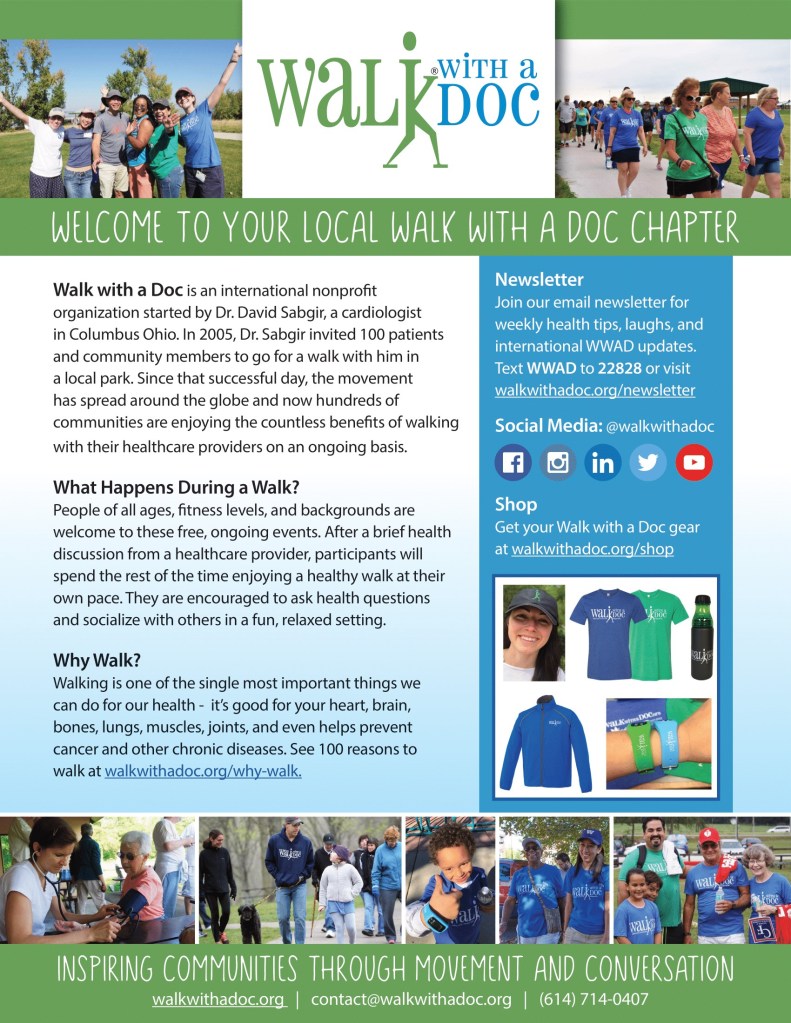
Join Walk with a Doc on April 9th

Join our local chapter of Walk with a Doc this Saturday for a fun morning walking, talking about health, and meeting people in our community.

Here is what you need to know about the event:

• It will take place on April 9th, 2022
• The hour-long event will begin at 8:30am
• Walkers will start at LVTRise – 8201 Calmont Ave., Fort Worth, TX 76116

For more information, call Kate Russell, OMS-II, at 903-316-9392, or email her at KatherineRussell@my.unthsc.edu.

Ask the Docs About Prenatal Oral Health

Don’t Miss Out – be part of the conversation on Wednesday, March 23, 2022, 8:30 am – 9:30 am CT.

In honor of International Adolescent Health Week, Drs. Shanna Combs and Meera Beharry will host an Ask the Docs discussion centered around the unique issues pregnant teens face, and the importance of engaging adolescents in their medical and dental health journey before, during and after pregnancy.

You can register for this free session here.

This event was created for dentists, physicians, dental hygienists, nurses, doulas, mid-wives, and social workers.

The objectives for this Ask the Docs session include:

  • Strategies for supporting and helping pregnant teens and families as they transition from pediatric to adult medical and dental care
  • Providing information on doctor/teen confidential consult, rights of minors, parental consent needs, questions to ask
  • Identifying stigmas as a barrier to care
  • Tips for creating a teen friendly environment

This session is part of a virtual series that addresses common questions about oral health care during pregnancy. This series is presented by the Texas Department of State Health Services – Oral Health Improvement Program (OHIP) in partnership with the Children’s Oral Health Coalition let by Cook Children’s.

How to Use and Store At-Home COVID-19 Tests Properly to Avoid Potential Harm

The U.S. Food and Drug Administration (FDA) is alerting people that there is a potential for harm if  at-home COVID-19 tests are not used according to the manufacturer’s test instructions. Here are their recommendations for safe and effective at-home testing:

Recommendations  

  • Keep all parts of at-home COVID-19 test kits out of reach from children and pets before and after use. 
  • Store the at-home COVID-19 test in its box until you are ready to use it. 
  • Follow the manufacturer’s step by step test instructions exactly.  
    • Read the Warning, Precautions, And Safety Information in the test instructions for a description of chemical ingredients and recommendations for safe handling and what to do if they accidentally touch your skin or eyes. 
    • Keep the liquid solution away from the skin, nose, mouth, and eyes. Do not swallow the liquid solution. 
    • Use only the swab in the test kit to collect a nasal sample. 
  • After you perform the test: 
    • Follow all test instructions for how to throw away the used test parts.   
    • Wash your hands thoroughly with soap and water. 

Get medical help right away by contacting your local poison control or health care provider if:  

  • Skin or eye irritation does not go away after exposure. 
  • A person or animal swallows the liquid solution. 

Avoid Potential Harm from Incorrect Use of At-Home COVID-19 Tests 

At-home COVID-19 diagnostic test kits include different parts such as a test cartridge, nasal swab, and small plastic vials containing liquid solutions needed to perform the test. The liquid solutions may include chemical ingredients, such as sodium azide, that help the test work properly or act as preservatives. The test chemicals can be irritating or toxic if they get on your skin, nose, or eyes or if they are swallowed. 

The FDA has received reports of injuries caused by incorrect use of at-home COVID-19 tests, including: 

  • Injuries caused by people accidently putting liquid test solution in their eyes when small vials of test solution were mistaken for eye drops.   
  • Injuries caused by placing nasal collection swabs into the liquid solution prior to swabbing the nose (the liquid solution is not supposed to touch your body).  
  • Injuries caused by children putting test parts in their mouth and swallowing liquid test solution. 
Design a site like this with WordPress.com
Get started