This piece was originally published in the September/October issue of the Tarrant County Physician. You can read find the full magazine here.
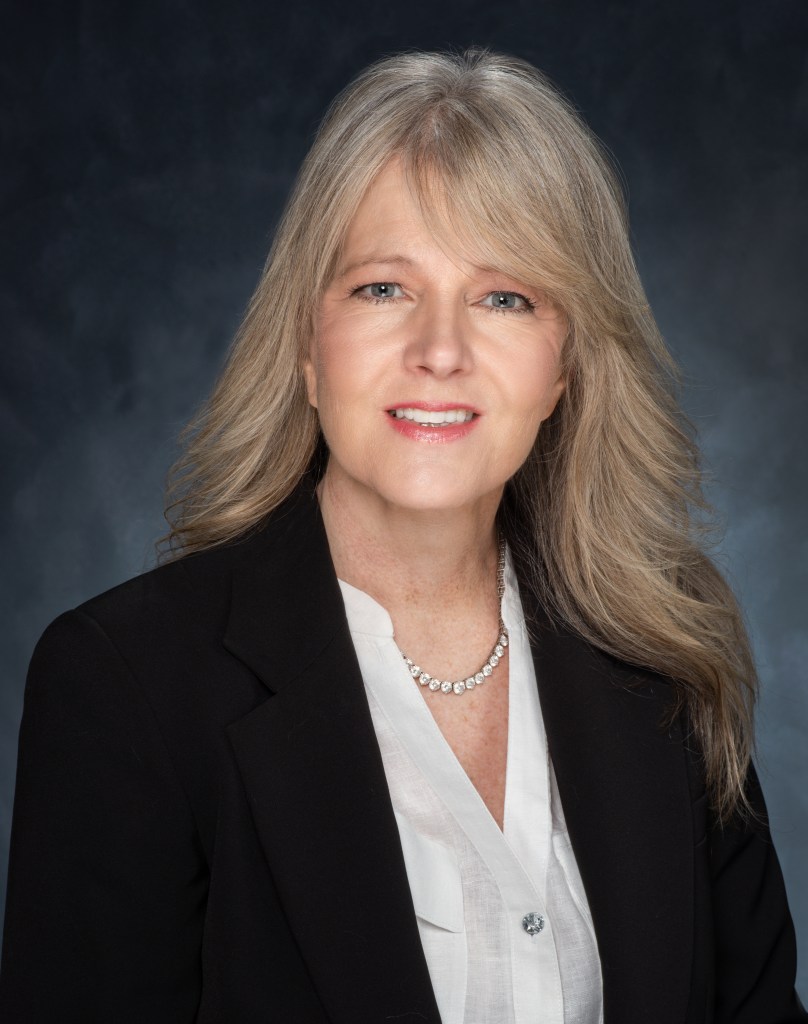
by Tilden Childs, MD – TCMS President
When I was perusing the Wall Street Journal the other day, I ran across an article by one of my favorite writers, Daniel Henninger. He started his article with the following observation, “On Tuesday the New York City sky was clear, blue and filled with sunshine. That’s it for this week’s good news.” His article was not about COVID-19, but it prompted me to think that yes, there is some good news on COVID-19.
As I suspected early on, the COVID-19 pandemic is not going to be a short-term phenomenon with a “V” shaped medical recovery for the country, unlike the stock market (well at least some stocks). However, some recent developments do appear to be positive and hope for some return to normalcy has not been extinguished. The re-opening of the U.S. economy has been progressing, which is good, but unfortunately the infection rates have also increased. Parts of Texas, particularly in the Valley, are suffering. However, the mantra of “wear a mask or face covering, wash your hands frequently, and maintain physical distancing” seems to be working when rigorously applied. Even President Trump is taking the situation more seriously and now supports the wearing of a mask or facial covering.
The mortality rate from COVID-19 may be lower than was initially thought, but this is a complicated issue. As explained in an article in Nature: “Researchers use a metric called infection fatality rate (IFR) to calculate how deadly a new disease is. It is the proportion of infected people who will die as a result, including those who don’t get tested or show symptoms.” “The IFR is one of the important numbers alongside the herd immunity threshold and has implications for the scale of an epidemic and how seriously we should take a new disease,” says Robert Verity, an epidemiologist at Imperial College London. “Calculating an accurate IFR is challenging in the midst of any outbreak because it relies on knowing the total number of people infected—not just those who are confirmed through testing. But the fatality rate is especially difficult to pin down for COVID-19, the disease caused by the SARS-CoV-2 virus,” says Timothy Russell, a mathematical epidemiologist at the London School of Hygiene and Tropical Medicine. “That’s partly because there are many people with mild or no symptoms, whose infection has gone undetected, and also because the time between infection and death can be as long as two months.”1
Some potential reasons for the apparent recent decrease in the mortality rate were discussed in an article in The Atlantic: “COVID-19 Cases Are Rising, So Why Are Deaths Flatlining?”2
Deaths lag cases—and that might explain almost everything.
Expanded testing finds more cases, milder cases, and earlier cases.
The typical COVID-19 patient is getting younger.
Hospitalized patients are dying less frequently, even without a home-run treatment.
Summer might be helping—but only a little bit.
Let’s hope that #1 above is not correct! I would like to believe that the evolution of our understanding of the virus and the disease it causes, including a better appreciation for its variable severity and multi-organ involvement, has and will continue to result in more and better treatment options which are at least in part improving mortality and morbidity outcomes.
“This is really good news as it now appears that herd immunity may be the key to successfully mitigating the current crisis and controlling the SARS CoV-2 virus.”
Progress on developing a vaccine(s) is moving forward at an accelerated pace. This is the result of the National Institutes of Health and the Foundation for the NIH (FNIH) forming the Accelerating COVID-19 Therapeutic Interventions and Vaccines (ACTIV) partnership with the goal of developing “a collaborative framework for prioritizing vaccine and drug candidates, streamlining clinical trials, coordinating regulatory processes and/or leveraging assets among all partners to rapidly respond to the COVID-19 and future pandemics.”3 This represents an unprecedented cooperative alliance between government agencies and private industry to expedite the development of vaccine(s) as well as begin production of potentially successful vaccines in advance of final approval of the vaccine(s). At the time of writing this article, Phase III trials are about to begin for at least one of the vaccines under development. Availability of a vaccine(s) may be as early as late 2020 or early 2021.
This is really good news as it now appears that herd immunity may be the key to successfully mitigating the current crisis and controlling the SARS CoV-2 virus. Recent evidence suggests that immunity following infection is time limited and that significant long-term morbidity is believed to occur after recovery from the acute COVID-19 infection phase. This means that herd immunity generated by vaccinations rather than by community infections looks to be the key to getting the crisis under control and reducing the mortality rate and the long-term sequelae of community acquired infections.
I hope this Good News gives you reason to Keep up the fight and Keep the faith.
This piece was originally published in the September/October issue of the Tarrant County Physician. You can read find the full magazine here.
It happened twice in the same morning.
I saw two women for checkups that morning—their stories were so similar. Both older but not elderly, living alone, physically impaired needing a walker or motorized scooter, and always very crabby at their appointments. A litany of chronic non-specific complaints—fatigue, aching, headachey, etc. Honestly, I was not looking forward to their visits. They never seemed satisfied, and I never felt like I had helped them much. When I saw them both on the schedule that morning, I confess that I grimaced a bit.
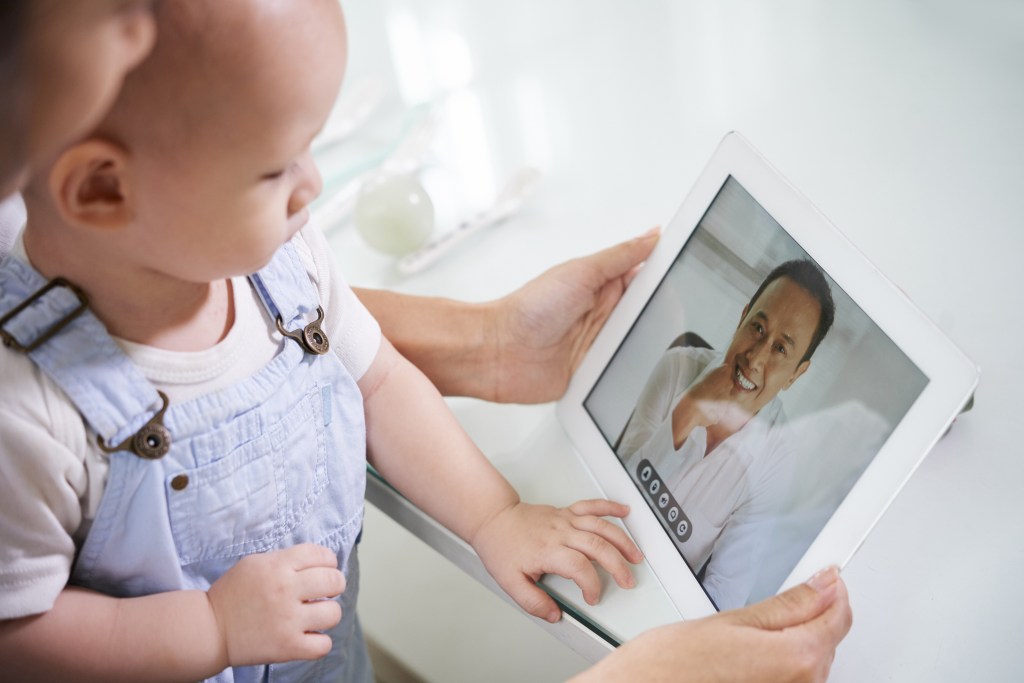
But their telemedicine visits were just the opposite of their usual in-person visits. They both were happy, smiling, and relaxed. The conversations were easy and their questions were few. I anticipated much COVID-19 anxiety but found little; they were used to staying at home and hadn’t had to change their way of life much. They both just needed refills—I would have liked to have done a physical exam, but I really didn’t need to.
At the end of the morning, I wondered to myself what was different, and then it hit me. They didn’t have to physically come to see me, which so many of us take for granted but for them was likely a physically draining, frustrating, expensive, humiliating, and even painful experience. Wow. Was I humbled.
Telemedicine is a gift to some of our patients, such as parents stuck without childcare who have to bring multiple children along with them, people who lack reliable transportation, or elderly people who don’t like driving anymore but are embarrassed to ask for a ride. It can help someone two hours away who just needs a refill or a patient who can’t afford to miss work. I could go on and on; I’ve seen cases like every example I’ve given and I’m sure many of you have, too.
The coronavirus pandemic has added a new layer of urgency to the implementation of telemedicine. Physical distancing and shutdowns have made it extremely difficult, if not impossible, to see our patients safely face to face (especially when PPE is still hard to find). Telemedicine enables routine care to continue without the risk of exposure to the virus. It keeps medical offices safe and in business.
The AMA, along with many other organizations, has been developing telemedicine policy and recommendations for years. The AMA House of Delegates approved a report from the Council on Medical Services laying out principles for coverage and payment in June 2014.
An AMA survey in 2016 showed that 15 percent of physicians worked in a practice that utilized telemedicine in some way.1 But a far smaller percentage of actual patient encounters were done via telemedicine.
When COVID-19 struck and communities were shutting down all over the country, the telemedicine guidelines, reimbursement policies, and the work we had already done with CMS helped the organization be ready with their new guidelines for coverage and payment, which were initially released on March 17, 2020.
AMA had been working with the Physicians Foundation, the Texas Medical Association, the Florida Medical Association, and the Massachusetts Medical Society to create the Telehealth Initiative to provide a wide array of assistance for physicians to implement telemedicine in their practices.2 The launch of the program was not scheduled until later in the year but instead was moved up to March 19, 2020, just two days after the CMS announcement.
Virtually every medical society in the country now has guidance available for physicians on using telemedicine.
However, the current telemedicine coverage and payment program will only stay in effect as long as there is a national emergency, which has now been extended to the end of October 2020. Of course, we all know that COVID-19 will not be gone then, so AMA is working with state and specialty societies to lobby Congress for permanent solutions.
I believe that every specialty will develop its own guidelines for the appropriate use of telemedicine going forward, and every practice will utilize telemedicine to some degree.
The genie is out of the bottle. Let’s hope it stays that way. We deserve to be compensated fairly for services regardless of location, and our patients deserve the ease of access.
This piece was originally published in the September/October issue of the Tarrant County Physician. You can read find the full magazine here.
I was 13 years old the last time that I experienced a summer break, because it was that summer that I decided that I wanted to be a physician. I spent every summer after that through high school at the Volunteer Department of the nearest Level I Trauma Center in East Texas. If I wasn’t volunteering I was shadowing, and if I wasn’t shadowing I was scribing or taking classes that would prepare me for medical school. It became a constant cycle, month in and month out for 11 years. Every one of my spring breaks, winter breaks, and summer breaks was jam-packed with exciting new medical adventures, classes, or some other activity that was someday going to get me into medical school and ultimately help me become a physician. As crazy as it sounds, my story is not unique. This is the path for many students, former, current, and future, who pursue a career as physicians. This is a way of life that we gladly accept, because for many of us the idea of doing anything else is much more depressing than spending every break of our youth working towards our future career.
I was all geared up to spend the summer after my first year of medical school the same way. I had two in-hospital research projects lined up, was interviewing for a pediatric research program to review case studies and publish reports on the cases, and I was already looking for a summer job to bring in a little extra income during what I considered my “slow” month between the two academic years. Then, in an instant, a global pandemic hit, all my plans fell apart, and I was left with a very empty calendar during a period that was supposed to be a time for me to check all of the boxes that residency programs would want to see completed by the time I apply just three short years from now. When the initial shock wore off that a virus was capable of shutting down medical programs created and run by very people who live to combat these same types of diseases every day, it was like I had stepped into the sunshine for the first time in 11 years. As I began to read about the attempts of countries all over the world to contain and combat the virus, I was struck by an unexpected common theme in the rest of the world that I felt within myself: rejuvenation.
There were stories about nature being able to cleanse itself once people were no longer allowed to pour waste into it every day. Families were spending more time with one another at home, and smiles were being shared through technology all across the world because people were no longer able to go, go, go. Self-care began to emerge at the forefront of peoples’ minds, and I began to understand what it meant to take a step back and soak in the moments. I started cooking dinner every night, I read books on history and got outside every day. At a time when uncertainty was the norm and we were all scared, I spoke with colleagues and friends who were learning and growing personally outside the realm of medicine into better spouses, friends, and students. With this fresh new start that we received, we have been able to go back to school refreshed and ready to learn about medicine and people instead of being burned out and emotionally exhausted. During the time that our medical lives stood still, our mental and emotional health was able to re-blossom into excitement about life, medicine, and being the physicians that we are destined to become.
This piece was originally published in the September/October issue of the Tarrant County Physician. You can read find the full magazine here.
As is tradition, despite what may be going on in the world (global pandemic, public demonstrations, etc.) every year, sometime in late June or early July, the wheel of medical education continues to turn. The TCU and UNTHSC School of Medicine continued this cycle on July 6, 2020. And just like that, our school went from one class to two, officially welcoming its second class of 60 medical students. The students in the Class of 2024 are from 18 states within the U.S., with 38 percent of them from Texas. Fifty-five percent are male and 45 percent are female. The new students come from 45 different undergraduate higher education institutions.
And just like that, there were two, and we continue our journey of developing a new medical school.
Similarly to our now second-year medical students, our first-year medical students are having to discover the brave new world of virtual medical education due to COVID-19. Despite this distance, our new students show the same enthusiasm for diving in that is always present in a brand-new class. This enthusiasm helps to invigorate those of us involved in medical education, and it helps us to continue to appreciate the honor it is to be a physician as well as an educator.
I was fortunate to participate in an interprofessional education event with our new first years as well as senior nursing students from TCU, held virtually of course. Our students were able to work through the concepts of communication in the clinical environment with the nursing students. They were also able to gain insight from the nursing students who have already been working in the clinical environment. It reminds me how important it is that our learners start working together while training. We highlight the concept that medicine is a team sport, and we must work together to obtain optimal outcomes for our patients.
The medical education wheel continues to turn.
By the time you read this, our second-year students will have completed the first of three phases of our curriculum, which is traditionally considered the basic science content. After years of planning and a global pandemic occurring more than halfway through our first year, it is hard to believe that this milestone has already occurred. Our students will now begin the transition to the clinical learning environment (barring any changes that may occur due to COVID-19). They will have the opportunity to step away from the computer screen and step back onto the campus for their Transition to the LIC course.
They will first get acquainted with the new normal of wearing a mask while trying to interact and gain rapport with simulated patients. They will also practice and hone clinical skills that were not able to be taught virtually. They will learn new procedures and have opportunities to practice. They will discover different medical environments, such as the operating room, labor and delivery, the inpatient setting, the emergency room, and outpatient clinic, and how they will play a role in those settings. They will also learn about the appropriate donning and doffing of personal protection equipment as well as telehealth that is now more commonplace due to the COVID-19 pandemic.
Once they complete their transitions course, the students will move into the hospital setting to continue their education. We are grateful to our physician and hospital partners in the community who have worked with us to bring our students into their clinical practice and hospital settings. To quote Sir William Osler, “To study the phenomena of disease without books is to sail an uncharted sea, while to study books without patients is not to go to sea at all.”1
And just like that, the medical education wheel continues to turn.
References 1. Boston Medical and Surgical Journal, January 17, 1901, page 60.
By Catherine Colquitt, MD, Tarrant County Public Health Medical Director
This piece was originally published in the September/October issue of the Tarrant County Physician. You can read find the full magazine here.
There is still much controversy regarding efficacy of masking during the COVID-19 pandemic, so I reviewed some of the thousands of peer-reviewed scientific articles addressing this topic since SARS exploded onto the world stage in 2003. Epidemiologists, infection perfectionists, and most if not all practicing physicians field questions from patients, friends, health care workers, and first responders about masking, and, while a comprehensive literature survey is beyond my scope, I came away from my reading heartened by evidence which clearly supports masks as a source control measure (a means of preventing transmission of infection from a source to others) AND endorses the use of masks, especially respirator and surgical masks, to PROTECT the wearer as well.
Masks, along with social (or physical) distancing, and hygiene (hand and surface disinfection, and cough and sneeze control) are the mainstays of control of droplet-spread pathogens and are critically important when COVID-19 hospital resources are strained, when treatments are reserved only for the sickest of those hospitalized, and in the absence of a vaccine or treatment for outpatients with COVID-19.
The science of evaluating masks is very complicated and typically involves at least three parameters: filtration efficacy (percentage of particles prevented from escaping the wearer’s mask), the pressure gradient across the mask (affects filtration efficacy and the comfort of the wearer), and fit, or face seal, of the mask on the wearer (droplets can escape more easily around looser edges of the mask on the wearer’s face).
The National Institute of Occupational Safety and Health (NIOSH) is responsible for conducting research and making recommendations for the prevention of work-related injury and illness and is a resource for information regarding healthcare and occupational PPE in setting on COVID-19. NIOSH also assesses important PPE to confirm efficacy and develops crisis strategies for coping with PPE shortages. NIOSH is responsible for the “N95” label on the mask you have likely been fit-tested to wear. The “95” generally indicates filtration efficacy of 95 percent of particles in the challenge aerosol (usually 0.1 micron diameter latex sphere aerosol) from the nose and mouth of the wearer. The “N” indicates that the respirator is NOT resistant to oil, “R” is somewhat resistant to oil, and “P” is oil-proof. (The oil resistance matters in some industrial settings in which the oils to which the respirator filters are exposed can remove the electrostatic charges from the filter media and thereby compromise filter efficacy.)
Fig. 1. Pictures of face masks under investigation. We tested 14 different face masks or alternatives and one mask (not shown). Photo Credit: Emma Fischer, Duke University.
In 2008, VanderSande et al. evaluated professional and homemade masks (made from tea cloth) for their efficacy in reducing respiratory infections in the general population and found that cloth masks provided a “modest degree” of protection to the wearer, while surgical masks were 25 times more effective and respirator masks were 50 times more effective at protecting the wearer than homemade cloth masks.1
S. Rengasamy et al., writing in Annals of Occupational Hygiene in 2010, analyzed filtration performance of cloth masks for particles 20-1000 nanometers in diameter and found instantaneous penetration level of 40 percent to 90 percent across the range of fabrics they tested.1
Fischer et al presented a low-cost technique for assessing filtration efficacy through various mask fabrics during speech and confirmed excellent filtration efficacy of respirator and surgical masks (figure 1), fair efficacy of some multilayered cotton, polyester, and mixed fabric masks, poor filtration efficacy with some cotton weaves as well as knitted masks and bandanas, and, somewhat remarkably, very poor filtration efficacy for fleece face coverings (often used in gaiters or “neck tubes”). (See figure 2) Fleece performed worse than no face covering at all, presumably by dispersing larger droplets into several smaller ones, thereby increasing the droplet count.
Davies et al., in Disaster Medicine and Public Health, tested the efficacy of homemade masks as protection in an influenza pandemic and offered that homemade masks should be used only “as a last resort” to prevent droplet transmission from infected individuals, but a homemade mask would be “better than no protection.”4
Scientists continue to study how and when and whom to mask since SARS and H1N1, and aerosol science will continue to evolve and to refine our use of PPE during and after the COVID-19 pandemic, but the overwhelming published scientific opinion supports the use of masks and, the better the mask, the better the protection for the wearer and those he or she faces.
Ready! Set! Mask!
References 1. VanderSande et al. 2008. PLOS ONE 3 (7) e2118.
2. S. Rengasamy et al. Annals of Occupational Hygiene, 2010. Vol 54, No 7, pp 789-798.
3. Fischer et al. Science Advances. SciAdv.10.1126/sciadv.abh3083, 2020.
4. Davies et al. Disaster Medicine and Public Health Preparedness. 2013 August: 7 (4) 413-418.
It has long been our fear to have community spread of an illness that potentially overwhelms our healthcare system capacity and results in the illness and/or death of tens or even hundreds of thousands of people. Many years ago, the TCMS Alliance and Foundation joined other concerned organizations, both public and private, to form the Immunization Collaboration of Tarrant County (ICTC) to help promote and provide immunizations in our community. In this year of COVID-19, we know that our fears were well founded and what the world looks like with a virus and no vaccine. Our community is opening from the quarantine that was needed to control the initial spread of COVID-19. Schools are opening and thousands of children need required vaccines to move from virtual to in person classes. Many of our local children missed scheduled vaccines when the pandemic hit North Texas.
Every August, the ICTC has hosted immunization clinics which Tarrant County Public Health provides the vaccines for at five different community health fairs and back to school events over four weeks. This model in five locations over a shorter time is not possible in this time of COVID-19. Fortunately, ICTC was able to react to the new circumstances hosting the Be Wise—ImmunizeTM Low Cost Back to School Vaccine Event July 20 through September 11, 2020 at Ridgmar Mall in Fort Worth. The site provides plenty of social distancing space for families and students receiving the needed vaccines. Immunizations are low cost for families who are uninsured or are covered by CHIP or Medicaid.
In 2005, TCMS Alliance brought Be Wise—ImmunizeTM to Immunization Collaboration of Tarrant County. ICTC is a volunteer driven, nonprofit organization dedicated to the systematic eradication of vaccine preventable diseases in Tarrant County. ICTC projects directly improve the health and well-being of children, teens and adults through low cost vaccine events, community education on the importance of childhood and adult immunizations, and advocacy for better vaccine systems and policy since 1991. Over 40 agencies are members of ICTC.
TMA Foundation and TCMS Alliance support for ICTC programs is ongoing. The Be Wise—Immunize logo, leadership, funding, and volunteers from across Tarrant County keep ICTC going strong. ICTC Vaccine events 2019 provided 9412 clients with 24,057 doses of vaccine. To learn more or to be an ICTC volunteer visit http://www.icthome.org or http://www.tcmsalliance.org.
byVeer Vithalani, MD, MAEMSA System Medical Director
Note from the editor: Dr. Vithalani is an active member of the TCMS Board of Advisors. As he officially moves into the role of our local EMS Medical Director, TCMS wanted to provide him the opportunity to speak directly with members about his background and goals for our EMS System.
“After successfully completing an EM residency, I plan to undertake an EMS fellowship and hope to one day serve as a Medical Director for an ambulance company while working in an academic emergency department.”
These words concluded my personal statement as I applied to residency programs in 2010. One of the reasons I was so excited when I matched into the inaugural class at the JPS Health Network in Fort Worth was the opportunity to develop the program’s experience with a world-renowned EMS system, MedStar.
From early in my residency, I began learning the basics of EMS medical direction under the mentorship of Dr. Jeff Beeson. He would stress the importance of working collaboratively with the local medical community and would take me with him to the monthly board meetings of the Tarrant County Medical Society (TCMS). The TCMS played a fundamental role in the creation of the EMS system in Fort Worth, and through its designated positions on the Emergency Physicians Advisory Board, has been influential in shaping the structure of the EMS system through numerous challenges. Drs. Gary Floyd and Steve Martin have served since the early days of the Emergency Physicians Advisory Board (EPAB) and have been a tremendous source of counsel and guidance for my predecessors and me.
I was able to join the Office of the Medical Director (OMD), first as an EMS Fellow, then Associate Medical Director, and finally Interim Medical Director. Throughout this time, I’ve witnessed incredible growth in this system. This progress is evident in every aspect: tighter integration between EMS and first responders; increased standardization of credentialing and quality assurance; closer working relationships between the OMD and agency leaders; and increased resource sharing, such as unified dispatch centers, dispatch integration, and shared capital. All of these actions keep us centered on patient-focused goals. Patients call 911 in their time of need, and the system is there for them, regardless of race, gender, or creed.
I am honored to accept the position of Medical Director for the Metropolitan Area EMS Authority (MAEMSA) system. My goal moving forward is simple; we will continue to guide our commitment to clinical excellence throughout this system. Accomplishing this mission takes continued passion and dedication from all involved—from front-line field providers, dispatchers, support services, educators, administrators, Chiefs, City leaders, OMD, and beyond. My philosophy is that this is our practice of medicine, and we are all in it together. We will help our patients together, make mistakes together, learn together, and grow together.
Moreover, in the difficult times of the COVID-19 pandemic, my goal remains the same. The OMD is responsible for the daily management of the Tarrant Medical Operations Center, functioning as the coordinating body for mitigation of medical and healthcare effects of disasters. With active participation from all key stakeholders, from hospital leaders to local physicians, public health officials to emergency managers, and elected officials to public safety, everyone is doing their part to mount a coordinated and consistent response for the safety and well-being of our community.
I would not have reached this position without my mentors and predecessors, Drs. Jeff Beeson, Steven Q. Davis, and Neal Richmond; leaders from JPS and IES, Drs. Robinson, Zenarosa, and Kirk, who brought me to Fort Worth and trained me in Emergency Medicine, and my wife and kids, to whom I owe all of my life’s successes; to all, a heartfelt thanks.
I do not take lightly the trust and responsibility placed in me by the MAEMSA Board, First Responder Advisory Board, and EPAB. I hope to live up to the high expectations we have all set. This system has long been a shining star in the world of EMS; I look forward to playing my part to continue that into the years to come.
This piece was originally published in the July/August issue of the Tarrant County Physician.
By Jennifer Fix, PharmD, MBA, BCGP, BCACP Steven Hauf, B.A., CPhT, PharmD Candidate (2020)
Introduction by Monte Troutman, DO, TCMS Publications Committee:
Hello colleagues. Although I have been a member of the Tarrant County Medical Society (TCMS) for many years, this is my first time to submit any writings to the Tarrant County Physician publication. TCMS asked for a member of the Texas College of Osteopathic Medicine (TCOM) and a member of the TCU School of Medicine at UNTHSC to join their Publications Committee (PC). I don’t know how to say no, so I joined.
The PC wanted an insight into changes in medical education and how these changes impact the current state of healthcare. I felt that I could contribute since I have been a full-time faculty member at TCOM for over thirty-five years. Yes, I have seen dramatic changes in how our medical students are taught. I hope that I can contribute in a way that shows these dramatic changes will have a positive impact.
One of the changes in medical education is the emphasis on the team approach concept. Physicians and students in training are now taught to be a member of a team that cares for patients. One of the members of the team are our pharmacists. I chose a new friend and colleague to write the first of I hope many articles that provide insight into the team approach. Dr. Jennifer Fix is a valuable member of the faculty of the School of Pharmacy. She is now embedded in our clinical practice of gastroenterology at the Health Science Center. I didn’t realize the service and help that she and the pharmacy students could offer our practice. Not only helping our gastroenterologists but also our clinical staff. I believe “invaluable” is the term that best describes their contribution to the team. The best part of their presence is that our medical students get to see the pharmacist in action. Yes, this is new concept and our students learn the value of teamwork with our pharmacist colleagues. Please read and enjoy and learn!
“Put me in coach!” It was at the American Association of Colleges of Pharmacy (AACP) Annual Meeting that clinical pharmacist and professor, Dr. Jennifer Fix, most recently heard this line from one of the keynote speakers as he talked about the ability, desire, and willingness of pharmacists to serve alongside physicians in integrated medical practices. The CDC says that, “pharmacists have long been identified as an underutilized public health resource. Pharmacists are well positioned to help out with improving chronic disease management and make a difference when they are actively engaged as part of a team-based care approach.”1,2
Pharmacists working in accordance with a physician’s referral in providing face-to-face, in-office services for chronic health condition management, education, and medication optimization is likely to be something you would hear most pharmacists express as a short-term goal for the profession and something pharmacy schools have implemented into their curriculum. Todd Sorenson, PharmD, President of the American Association of Colleges of Pharmacy has declared his bold aim which is “that by 2025, fifty percent of primary care medical practices will have integrated comprehensive medication management (CMM) services into their care model; and those services will be delivered in collaboration with pharmacists.”
The Health Science Center (HSC) in Fort Worth, part of the University of North Texas System, is widely recognized for its work in Inter-professional Education (IPE) – and is already ahead of this 2025 goal laid out by Dr. Sorenson. HSC has pharmacists integrated into several of their medical practice sites. Through collaborations with health-related programs at Texas Wesleyan University, Texas Christian University, Texas Women’s University, and University of Texas at Arlington, HSC medical students from both the Texas College of Osteopathic Medicine and The Texas Christian University/UNTHSC School of Medicine participate in IPE events alongside pharmacy, nurse practitioner, physical therapy, nursing, nutrition, and social work students.3 Graduates of the School of Pharmacy located at the HSC in Fort Worth, receive a Doctor of Pharmacy degree (PharmD). Prior to graduation, though, these student pharmacist interns must complete three years of coursework followed by experiential rotations. Among these rotations are opportunities for the pharmacist intern to experience an ambulatory care setting in which they can put their education into practice in managing patients with common chronic diseases alongside their preceptor, a clinical pharmacist with collaborative agreements with physicians to enhance patient care. Most pharmacists working in medical practices have completed one to two years of post-graduate residency to develop their skills and many have also completed Board Certification in Ambulatory Care Pharmacy recognized by the Board of Pharmaceutical Specialties.4
One example of this collaborative practice between physician and pharmacist includes patients referred by a physician for a clinical pharmacist comprehensive medication therapy consult where pharmacists are engaged to identify, address, and solve drug therapy problems. In a 2018 study titled “Drug Therapy Problem Identification and Resolution by Clinical Pharmacists in a Family Medicine Residency Clinic,” the researchers conducted a retrospective chart review and found that half of the drug related problems (DRPs) found were resolved the same day. The most common DTP category identified in this study was the need for additional drug therapy (41.6%), followed by the need for additional monitoring (14.5%), suboptimal adherence (9.9%) dose too low (9.4%), adverse drug reaction (7.3%), unnecessary therapy (6.7%), ineffective drug therapy (5.5%), and dose too high (5.1%).5 While physicians are capable of handling such issues, pharmacists are extensively trained to identify and respond to these specific problems and their expertise should offer peace of mind to the physicians they work with, who will know that the medications have been evaluated by these medication experts.
Pharmacists can enhance outcomes and enhance quality of care as well as the overall patient experience.
While pharmacists used to be found only in corner drug stores or hospital basements, this is no longer the case. Pioneering physicians who have already integrated pharmacists into their medical practices have done so by establishing the scope of practice for the clinical pharmacist that they oversee by defining the details of a Collaborative Practice Agreement (CPA) and agreeing on a list of disease states and drug classes that they would permit the pharmacist to initiate, stop, or modify. The CPA is submitted to the State Board of Pharmacy for review and acceptance. In Texas, pharmacists are authorized to sign non-controlled substance prescription drug orders established through a CPA.6 The National Alliance of State Pharmacy Associations show that CPAs can “decrease the number of phone calls required to authorize refills or modify prescriptions, thus allowing each member of the health care team to complement the skills and knowledge of the other member(s), effectively facilitate patient care, and improve patient outcomes.”7 In addition to medication reconciliation, clinic-based pharmacists, upon collaboration with the physician, are also able to provide disease state specific modifications in existing treatment regimens, provide drug therapy education, process refills, assist with navigating insurance challenges, obtain medical, surgical, social, and vaccine histories, and much more. Given the opportunity, pharmacists can enhance outcomes and enhance quality of care as well as the overall patient experience.
Through physician acceptance and implementation of pharmacist integration, medical practices continue to equip themselves for evolving payer regulations and their ability to meet patient care benchmarks. For instance, the Centers for Medicare and Medicaid Services (CMS) have a new “Meaningful Measures” framework initiative to identify the highest priorities for quality measurement and improvement.8 This initiative outlines quality topics for the core issues related to the highest quality of care and better patient outcomes that are directly related to CMS strategic goals, every one of which pharmacists are educated on and are well-suited for assisting the practice in meeting these goals. These measures include quality priorities such as; reducing harm caused in the delivery of care, strengthening family engagement as partners in care, promoting effective communication and coordination of care, collaborating with communities to promote best practices of healthy living, and making care affordable.
Billing models for clinic pharmacists continue to evolve, but the baseline billing codes are recognized for Medication Therapy Management. According to the American Society for Hospital Pharmacist Billing Guide, 99605 is recognized for Medication therapy management service(s) provided by a pharmacist, individual, face-to-face with patient, initial 15 minutes, with assessment, and intervention if provided; initial encounter; 99606 is used for a subsequent encounter; and 99607 can be used to bill for each additional 15 minutes.9
In summary, we believe that the integration of pharmacist services into medical practices is important and could potentially be an essential key to meeting quality measures that enhance overall practice reimbursement while offering physicians a partner to assist them in meeting the needs and improving the care of patients with common chronic disease states.
References 1. Advancing Team-Based Care Through Collaborative Practice Agreements. A Resource and Implementation Guide for Adding Pharmacists to the Care Team. Center for Disease Control and Prevention (CDC). https://www.cdc.gov/dhdsp/pubs/docs/CPA-Team-Based-Care.pdf. Accessed July 30, 2019.
5. Macdonald, D., Chang, H., Wei, Y., & Hager, K. D. (2018). Drug Therapy Problem Identification and Resolution by Clinical Pharmacists in a Family Medicine Residency Clinic. INNOVATIONS in Pharmacy, 9(2), 4. doi: 10.24926/iip.v9i2.971.
6. TexasStateBoardofPharmacy.PharmacistsAuthorizedtoSignPrescription Drug Orders for Dangerous Drugs Under a Drug Therapy Management Protocol of a Physician. Texas State Board of Pharmacy Web site. http://www.tsbp.state.tx.us/ files_pdf/DTM.pdf. Accessed July 27, 2019.
7. Collaborative Practice Agreements: Resources and More. National Alliance of State Pharmacy Associations https://naspa.us/resource/cpa/. Published 2017. Updated June 8, 2017. Accessed July 27, 2019.
Originally published in the July/August issue of the Tarrant County Physician.
by Kenton K. Murthy, DO, MS, MPH Deputy Local Health Authority & Assistant Medical Director, Tarrant County Public Health
It has been three months since Texas had its first reported COVID-19 case, and since then, the number of cases has risen dramatically. As of June 25, there are more than 125,000 cases and 2,249 deaths in Texas.1 In Tarrant County, the total number of cases to date is 10,363 with 218 confirmed deaths.2
Shortly after reopening, there were signs that COVID-19 had plateaued and perhaps decreased, but our latest numbers seem to unfortunately indicate the opposite.2
Texas, overall, has seen hospitalizations increase dramatically.3 While Tarrant County hospitalization rates are also increasing, we have not seen our hospitals become overwhelmed as other counties are experiencing.3 However, we are not that far off.
Currently, almost 70 percent of our hospital beds in Tarrant County are occupied, of which eight percent are occupied from confirmed COVID-19 patients.2 However, given the increase in the total number of new cases (especially those in the younger population), and increasing cases in long-term care facilities, it may be just a matter of time before we start seeing a surge of hospitalizations as seen in Dallas, Travis, Harris, and Bexar counties.3
Long-term care centers, and correctional facilities continue to be hot spots, while child care facilities are now starting to have outbreaks as well.4,5 Long-term care centers and correctional facilities are our most vulnerable groups and may see the highest mortality rates, so it is vital that we continue to test, track, and isolate these individuals. The continued use of PPE in caring for patients in these settings is also important.
While we are currently in Phase 3 of Texas Reopening, with amusement parks, media events and fine arts permitted to open and operate up to 50 percent capacity, and restaurants allowed to operate up to 75 percent capacity, the governor has since paused reopening of Texas due to the sudden surge of new cases.6,7
Locally, starting June 26th, Tarrant County will require face masks at all businesses and all outdoor gatherings larger than 100 people. The order does not include churches, although it is strongly encouraged that church goers and other members of the public wear a mask when inside or when social distancing is not possible.8
In addition to face coverings and masks, businesses must also continue to encourage their employees to hand wash frequently with soap and water for 20 seconds, use hand sanitizer with at least 60 percent ethyl or grain alcohol (ethanol) or 70 percent isopropyl or rubbing alcohol, maintain social distancing, and regularly clean and disinfect frequently touched areas. Businesses should also screen employees for increased temperatures and COVID-19 symptoms before they start work and immediately send staff and employees with symptoms home to self-isolate.9
“We must remain vigilant during this pandemic and not let our guard down.“
As our physician colleagues reopen their practices, they must also continue to keep patients and staff safe. With that in mind, the Texas Medical Association has posted a step-by-step guide called Road to Practice Recovery: A Guide for Reopening Your Practice Post-COVID-19. This guide covers everything from financial operations to clinical operations.10 Some of the same practices that other businesses employ should also be used for physicians’ offices.
Upon any examination or procedure with a patient, it’s especially important for clinical staff to use full PPE, including N95 masks, goggles or face shield, gloves, and a gown.10 While currently Tarrant County does not have a ban on elective surgeries, doctors, nonetheless, should prioritize procedures and hold off non-urgent surgeries or other medical intervention to decrease the risk of COVID-19 transmission as well as to preserve bed space for coronavirus patients. Telemedicine and telehealth practices should be used as much as possible to continue to serve patients without putting themselves or ourselves at risk.10
At Tarrant County Public Health, our HIV clinic has changed almost entirely to a telehealth model with a few exceptions. We’re also now screening everyone entering our building for COVID-19 symptoms and doing touchless thermometer temperature checks. We’ve installed plastic and Plexiglass barriers in our waiting rooms and have patients wait in their cars rather than in small waiting rooms prior to their appointments.
While it is vital we reopen our Texas economy, it is just as important to do this as safely as possible. We must remain vigilant during this pandemic and not let our guard down. Physicians have a strong voice in our community, so let’s reemphasize to our patients that they must continue to socially distance whenever possible, practice good hand hygiene, and wear an appropriately protective facemask.
We’re all in this together, so let’s continue to keep each other safe.
From the July/August issue of the Tarrant County Physician.
I have never been asked to deliver a commencement address, but since most institutions of higher education are not going to be having commencement exercises this spring, I decided I would write one just in case a need arises. -Greg Phillips, MD
“Klaatu barada nikto” (Helen to Gort in order to prevent the destruction of Earth.)
“The Day the Earth Stood Still”—1951 (Michael Rennie as Klaatu; Patricia Neal, Helen; Sam Jaffe, Professor Barnhardt) NOT 2008 (Keanu Reeves, Klaatu; Jennifer Connelly, Helen).
The world had survived World War II and was in the middle of the Korean War. A spaceship lands on a baseball diamond in Washington, D.C. A lone alien, Klaatu, in the form of a human being, and his robot, Gort, exit the ship and Klaatu asks to talk with the leaders of planet Earth. Not surprisingly, the Washington politicians refuse his request and Klaatu embarks on a mission to circumvent them. He ends up taking a room in a boarding house where Helen and her son, Bobby, reside and befriends them. Since politicians will not listen to him, Klaatu visits the world-famous Dr. Barnhardt (an Albert Einstein look-alike) to get his support. Despite Dr. Barnhart’s entreaties, Klaatu still is unable to persuade the world to take him seriously, so he demonstrates his resolve. He stops all machine-related activities on the planet at the exact same time on the exact same day (sparing, of course, airplanes in the air and hospitals).
Our United States government sees this as a threat rather than an indication of sincerity and issues an order to track Klaatu down. He is eventually shot and taken to a hospital, but Gort has instructions to destroy Earth if anything happens to Klaatu. The climax of the movie is Helen, racing to the baseball diamond as Gort is leaving the spaceship, saying the above phrase, “Klaatu barada nikto,” which aborts world-wide catastrophe. Gort then retrieves Klaatu from the hospital, takes him back to the ship and restores his health. Finally, politicians from all over the world gather in Washington to hear Klaatu’s message.
His proclamation is simple. Other advanced civilizations in the universe have been keeping an eye on planet Earth for some time and are alarmed by our behavior. They note that as we develop the capacity to travel off Earth, we will eventually begin to interact with them. However, since we can’t seem to get along on our own planet, they fear our coming to their worlds. Our hostilities toward one another cause other civilizations great concern. So much so that Klaatu warns the leaders that if we don’t straighten up and fly right (like the song by Nat King Cole originally but covered by many others including Lyle in 2003), the peoples of the rest of the universe will have no choice but to eliminate life on planet Earth.
If this were my commencement speech, so that I could fill up the allotted time, I would list and discuss the many examples of how dysfunctional our world remains:
¬ Ongoing wars and conflict between nations
¬ Global terrorism
¬ Global warming and environmental risks
¬ Religious intolerance
¬ Trade wars
¬ Global poverty and malnutrition
¬ Global disease and pandemics
¬ Political intolerance even within the same nation
¬ Racism
One actually could give an entire commencement speech on each of these topics and still not cover them thoroughly. While there have been some attempts over the decades to address these issues and while we have a United Nations, little has been done to bring us together as a Whole Earth. The current/recent coronavirus pandemic clearly demonstrates that national and political priorities take precedence over the well-being of the citizens residing on our planet.
Fortunately, Klaatu did not give us a deadline and, for whatever reasons, we have not been eliminated from the universe by outsiders. In the past 70 years (and I have been around for all 70) the nations on planet Earth have not taken appropriate steps to reassure the rest of the universe that we care to get along. If anything, we seem to have gone in the opposite direction!
On the other hand, maybe the citizens of the rest of the universe have continued to watch us and decided not to waste any time or energy on us. It seems unlikely that any of us ever will be interacting with the peoples of the universe anyway and we’re well on the way to ending life on our planet by ourselves.